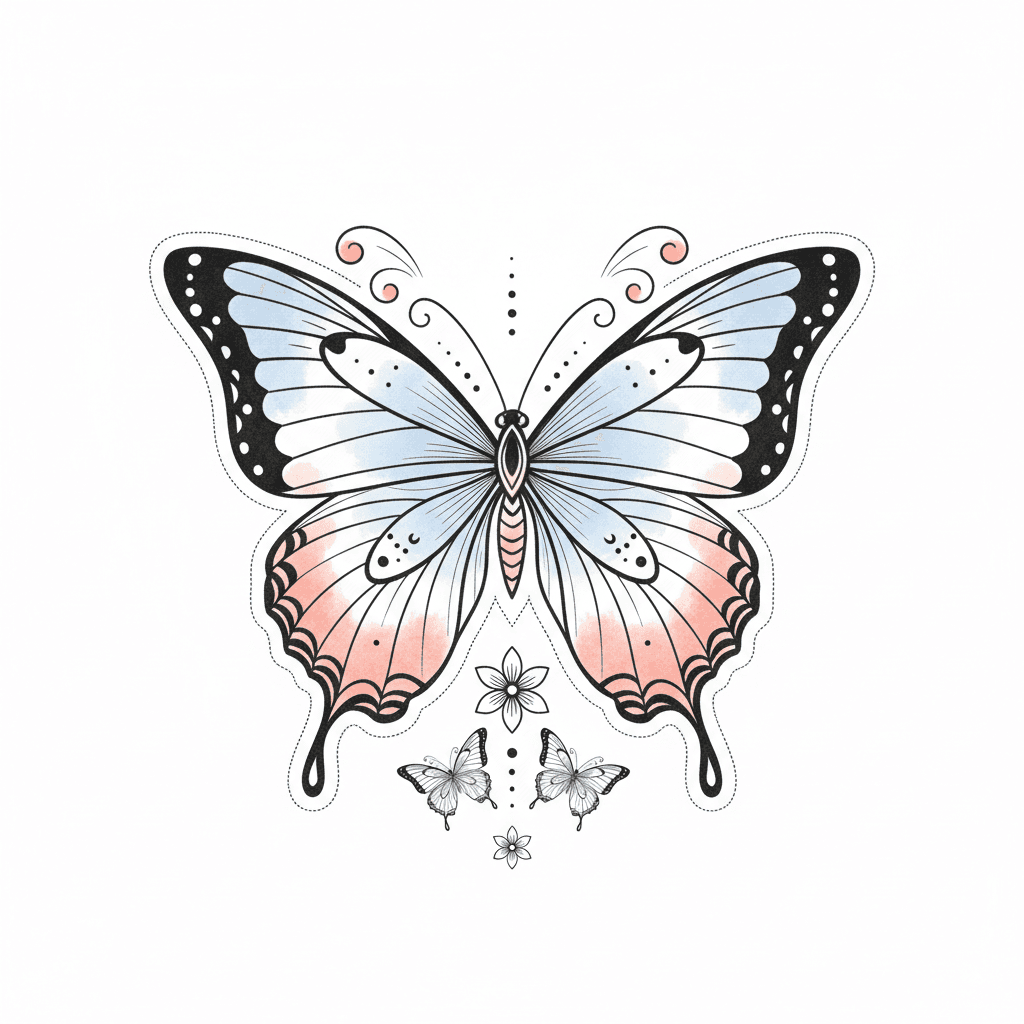
Fine Line
Click image to copy prompt
Bold, visible, and impossible to ignore. Neck tattoos are a serious commitment — here's everything you need to know before getting one.
90 AI tattoo directions remixed for side-neck, back-of-neck, and throat placements. Click any image to copy a neck-ready prompt.

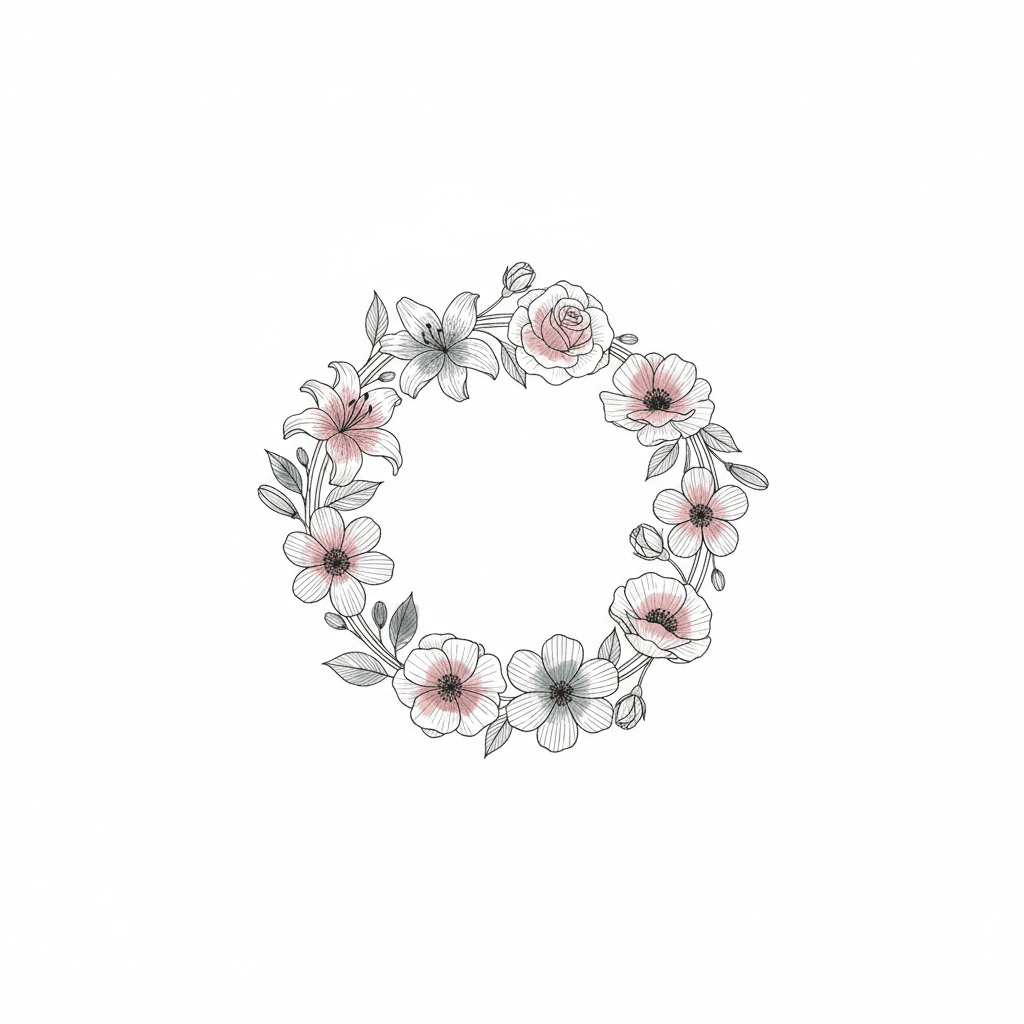
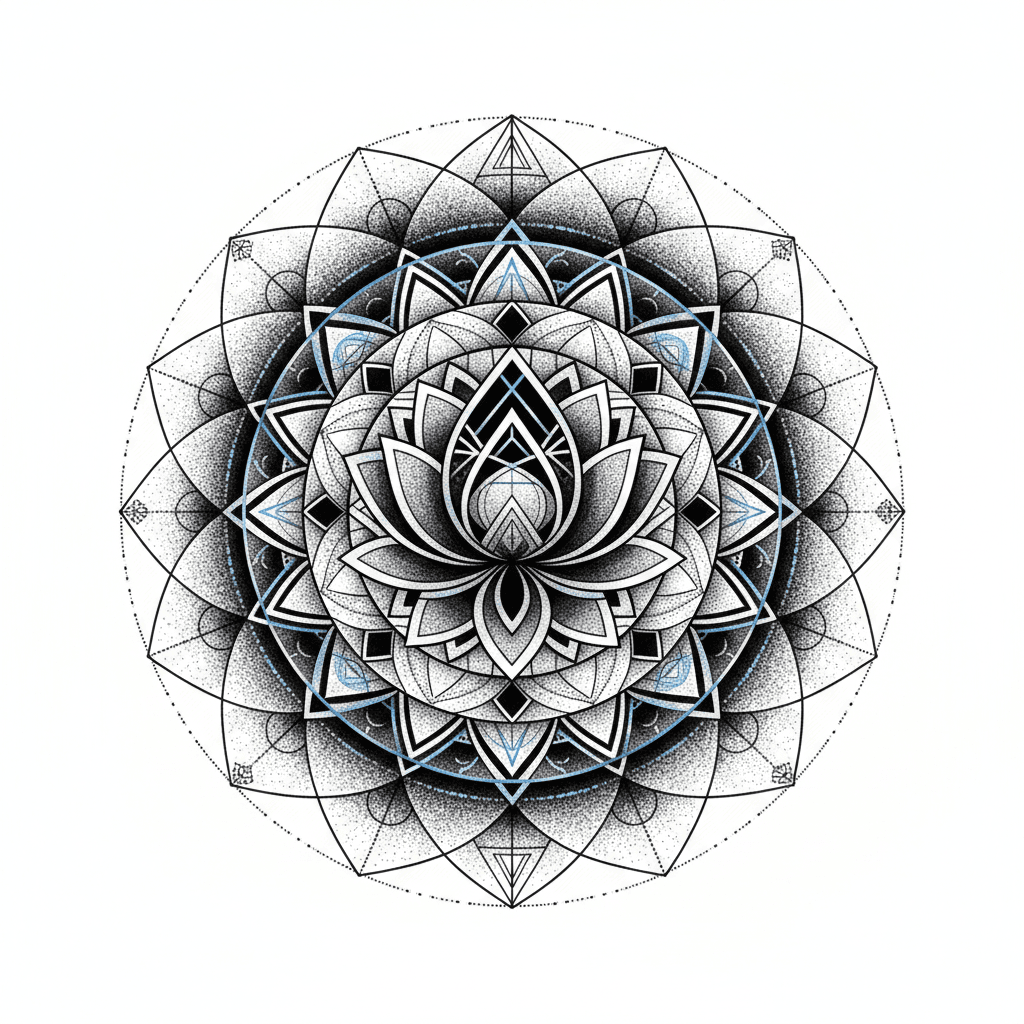
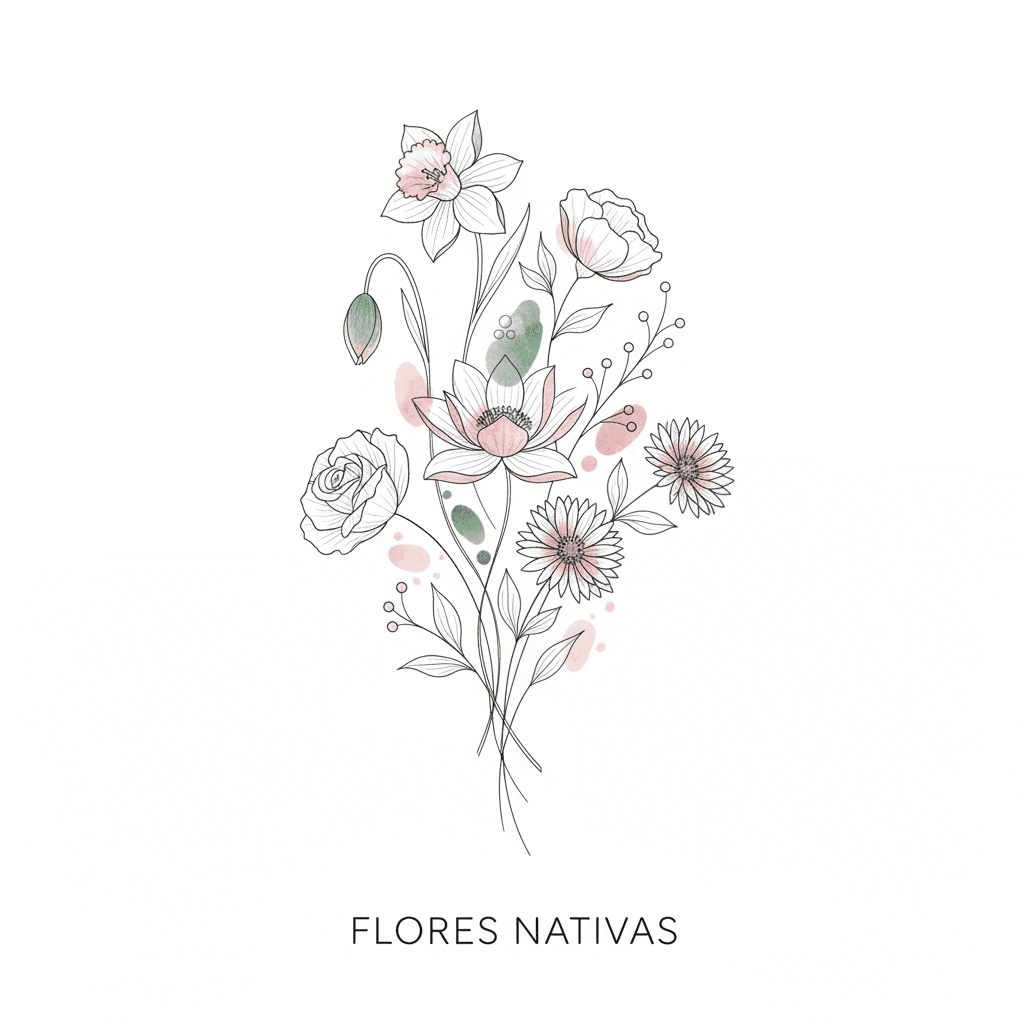
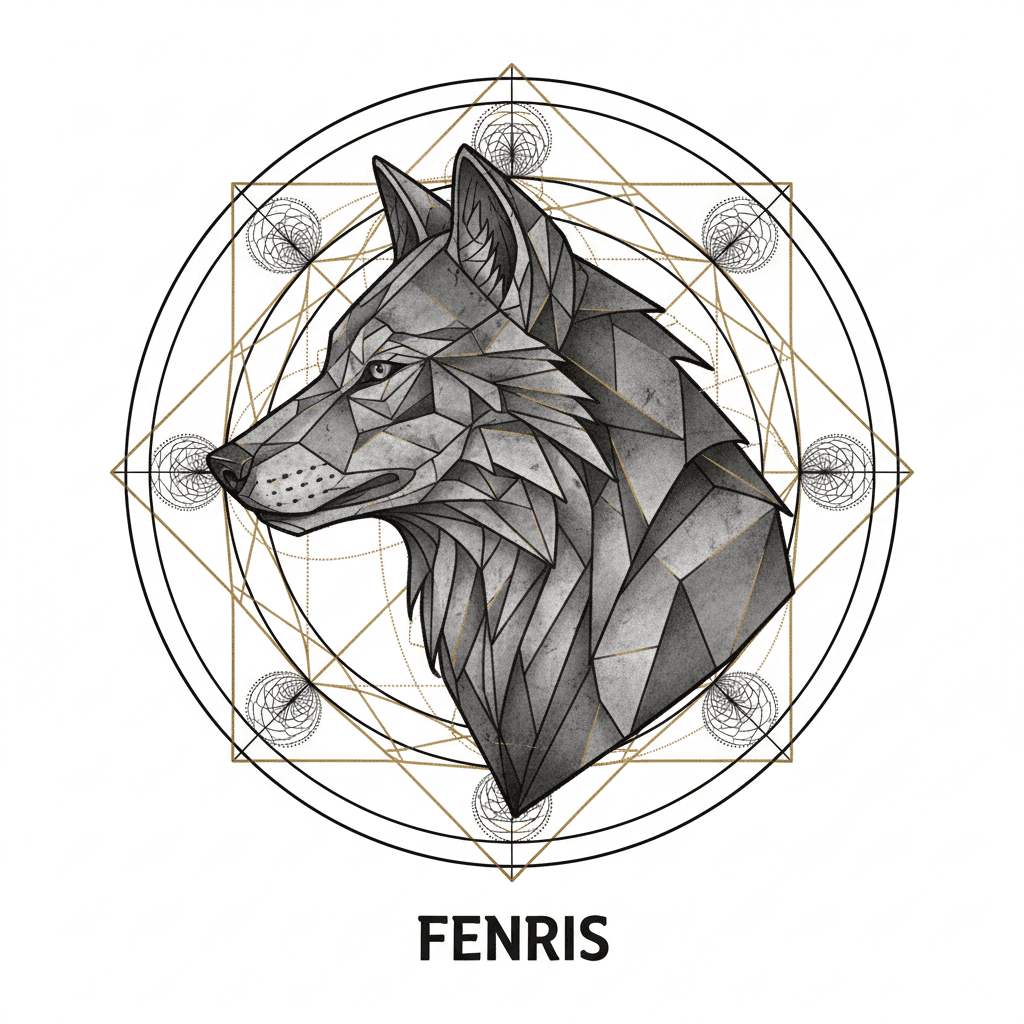
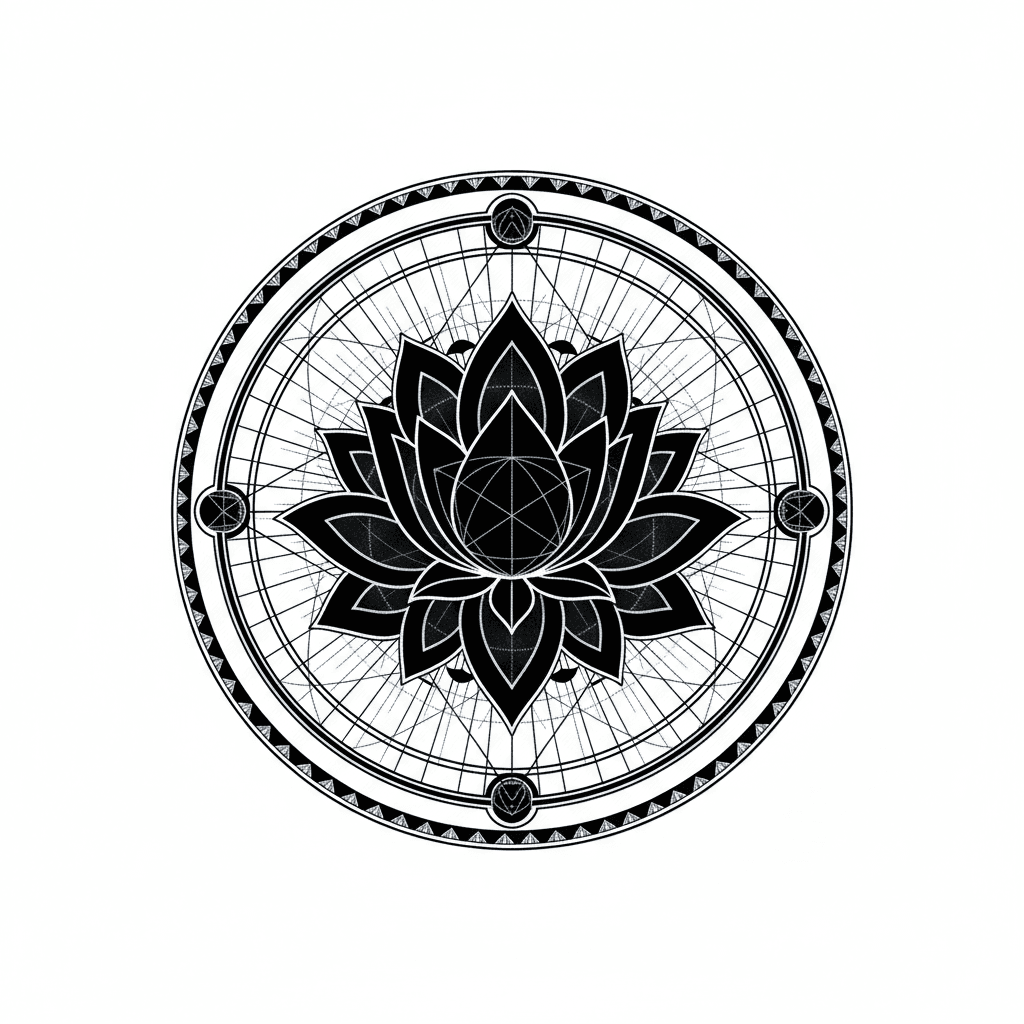
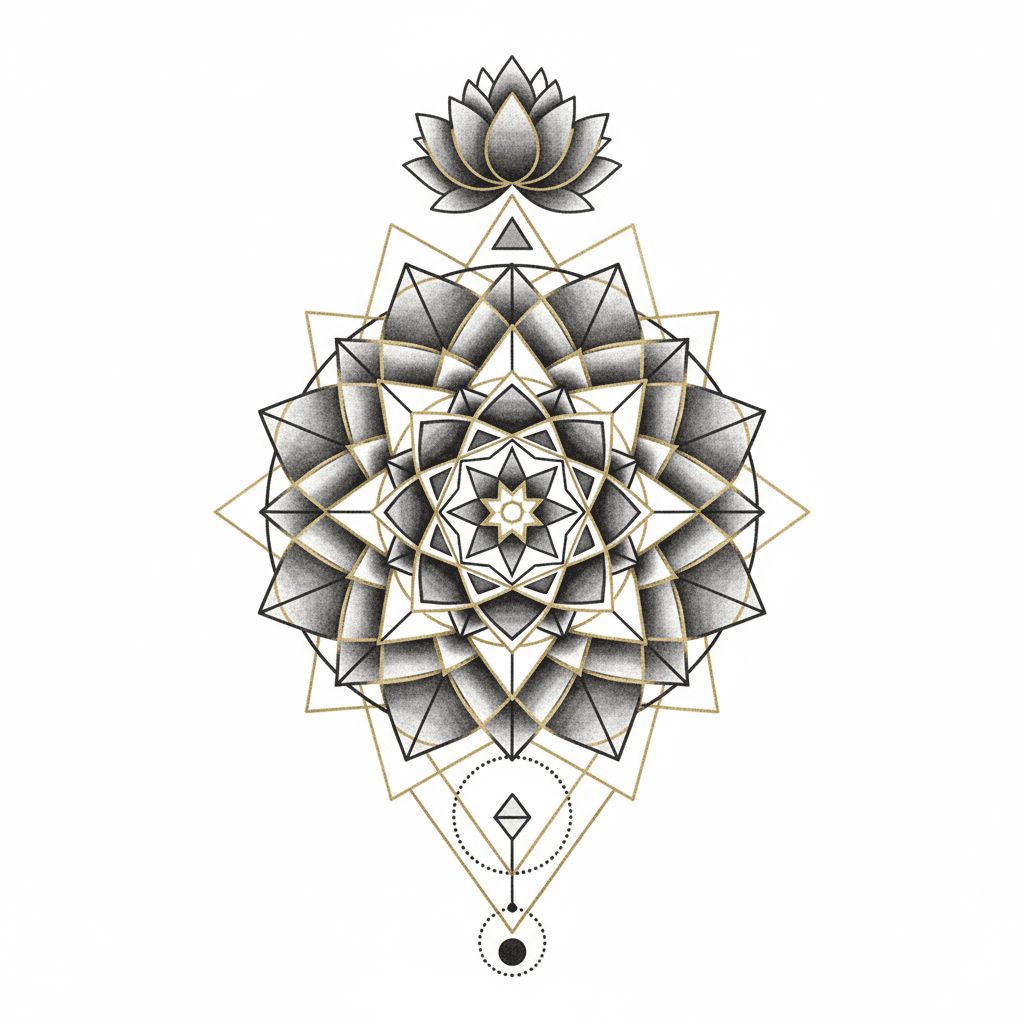
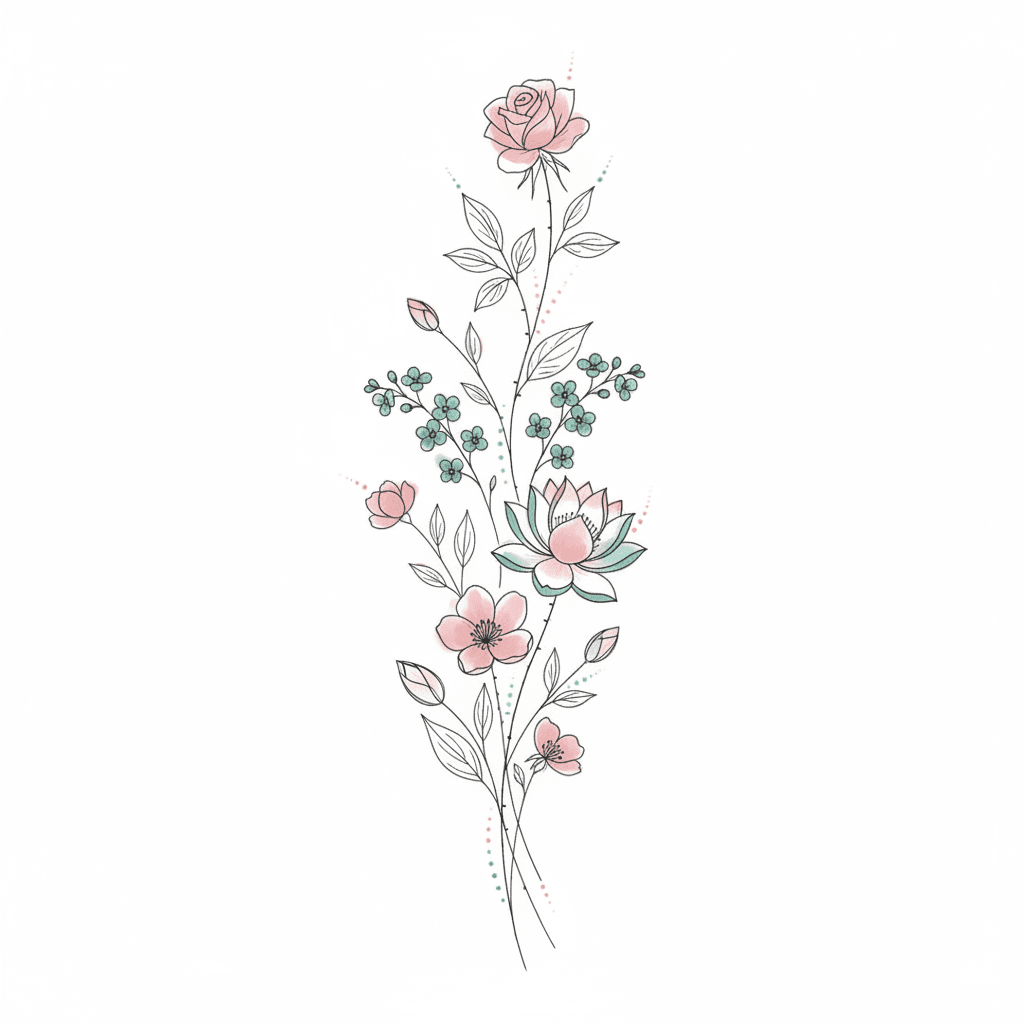
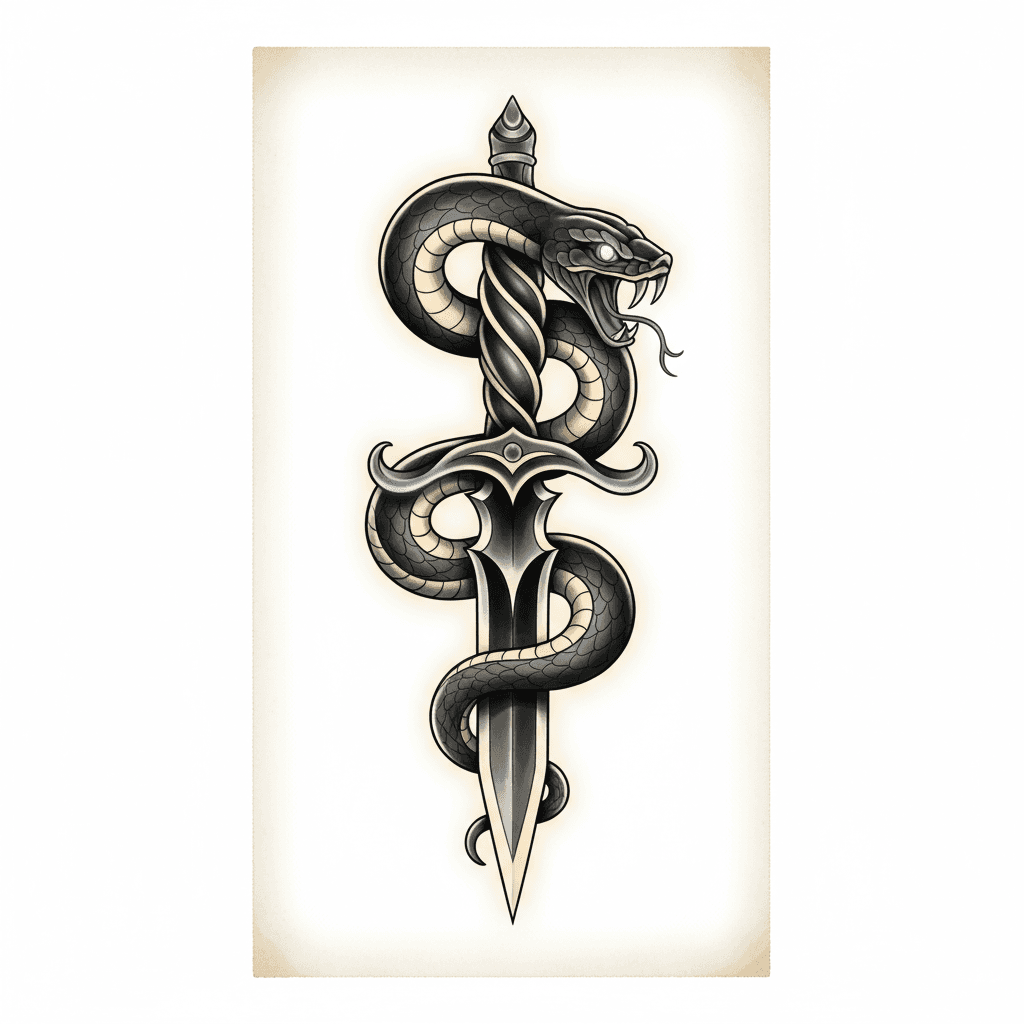
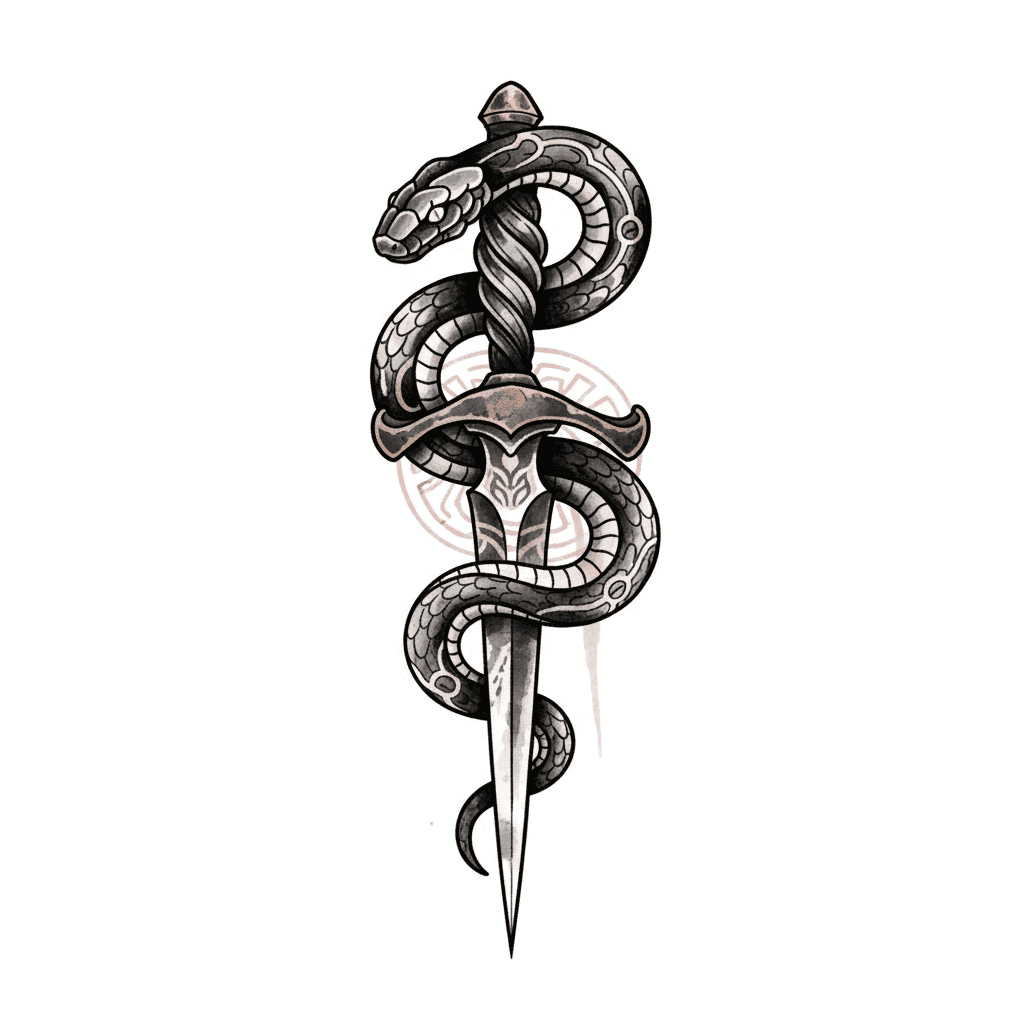
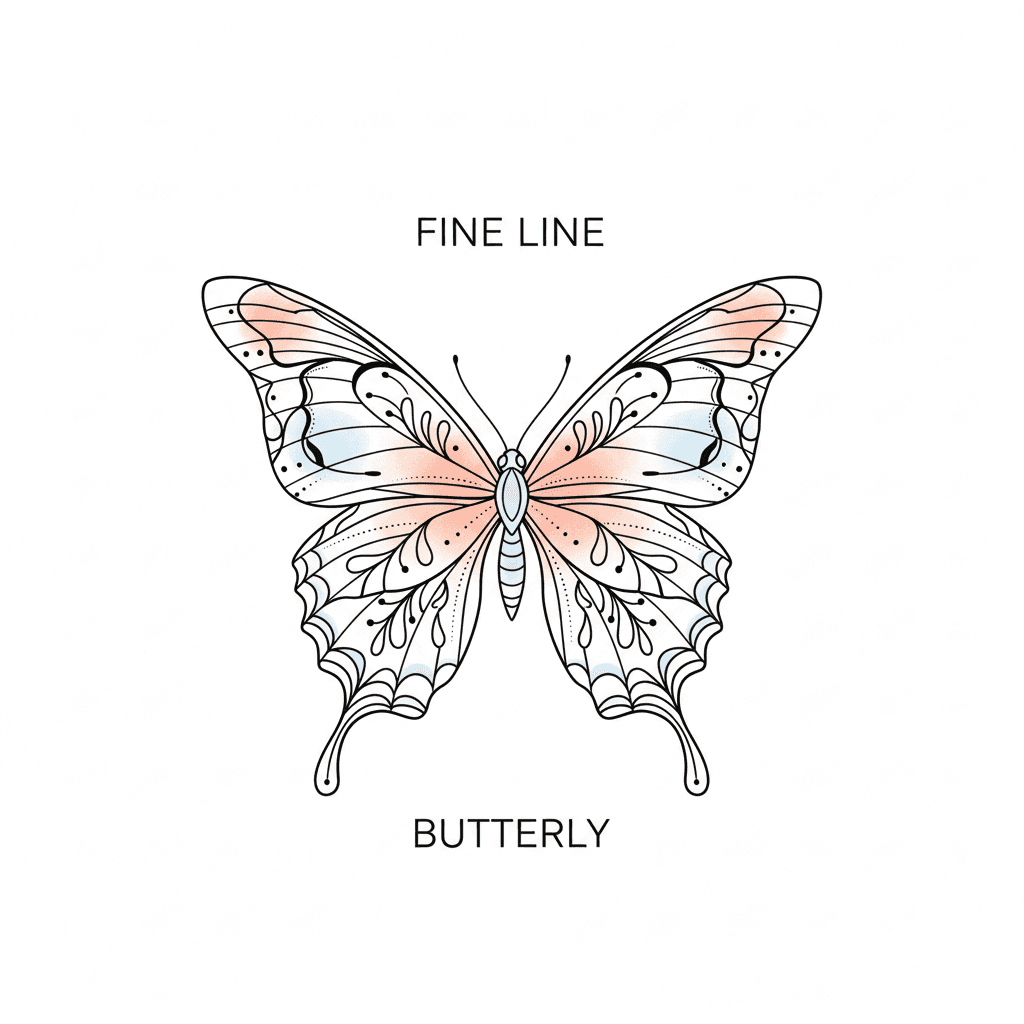
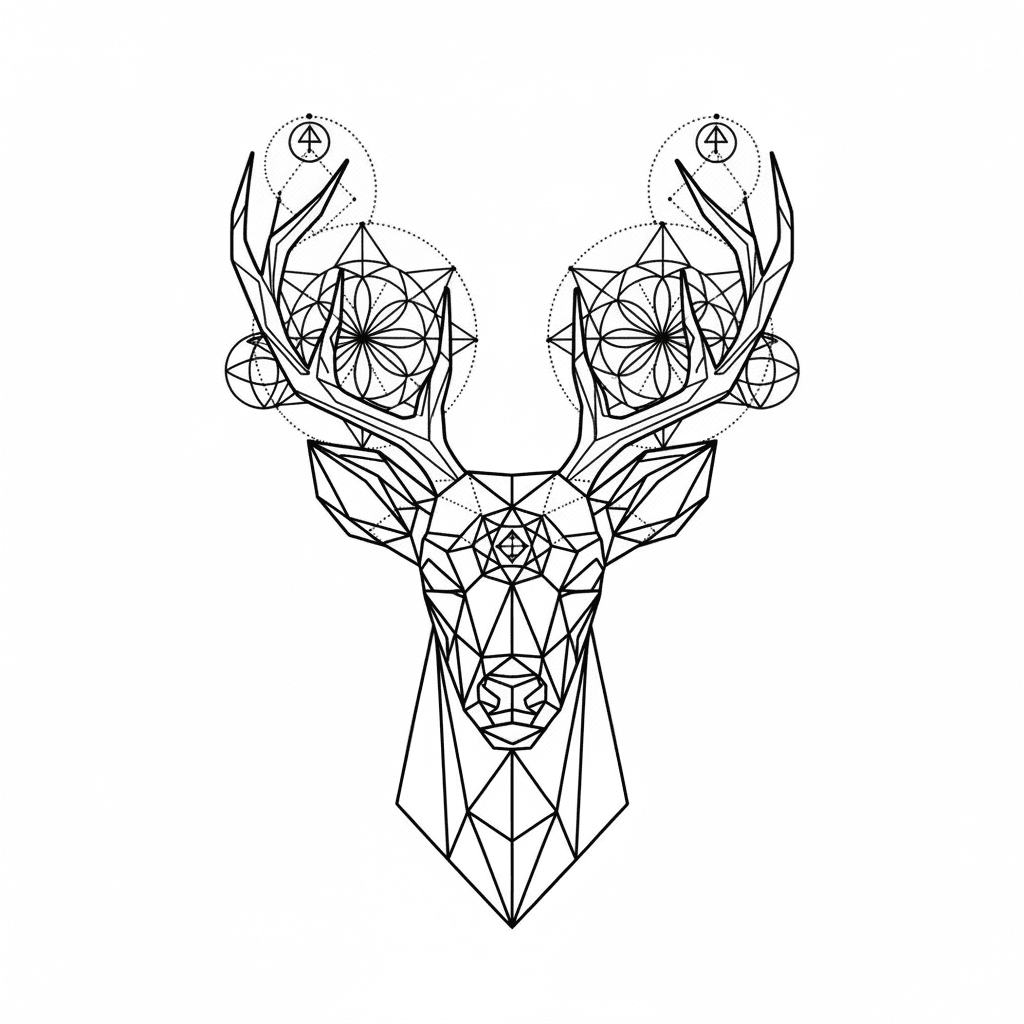
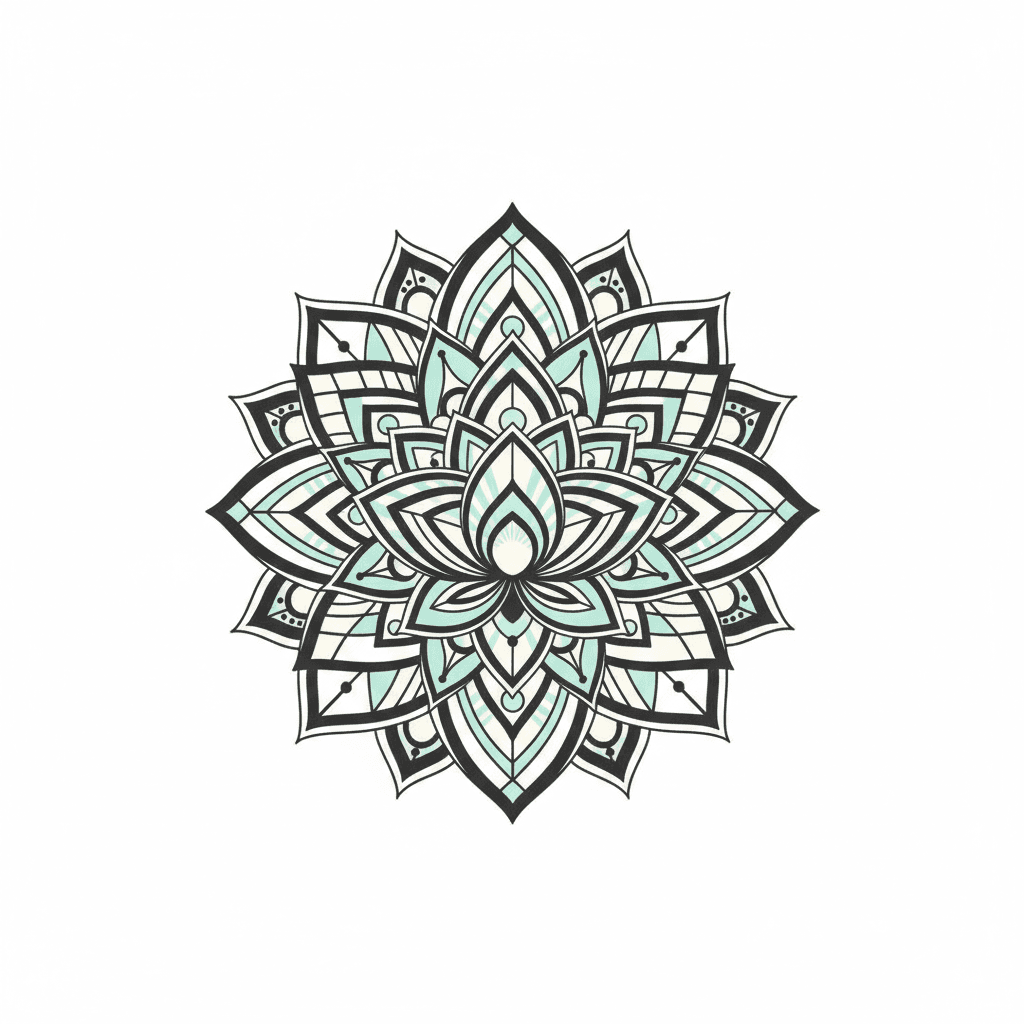


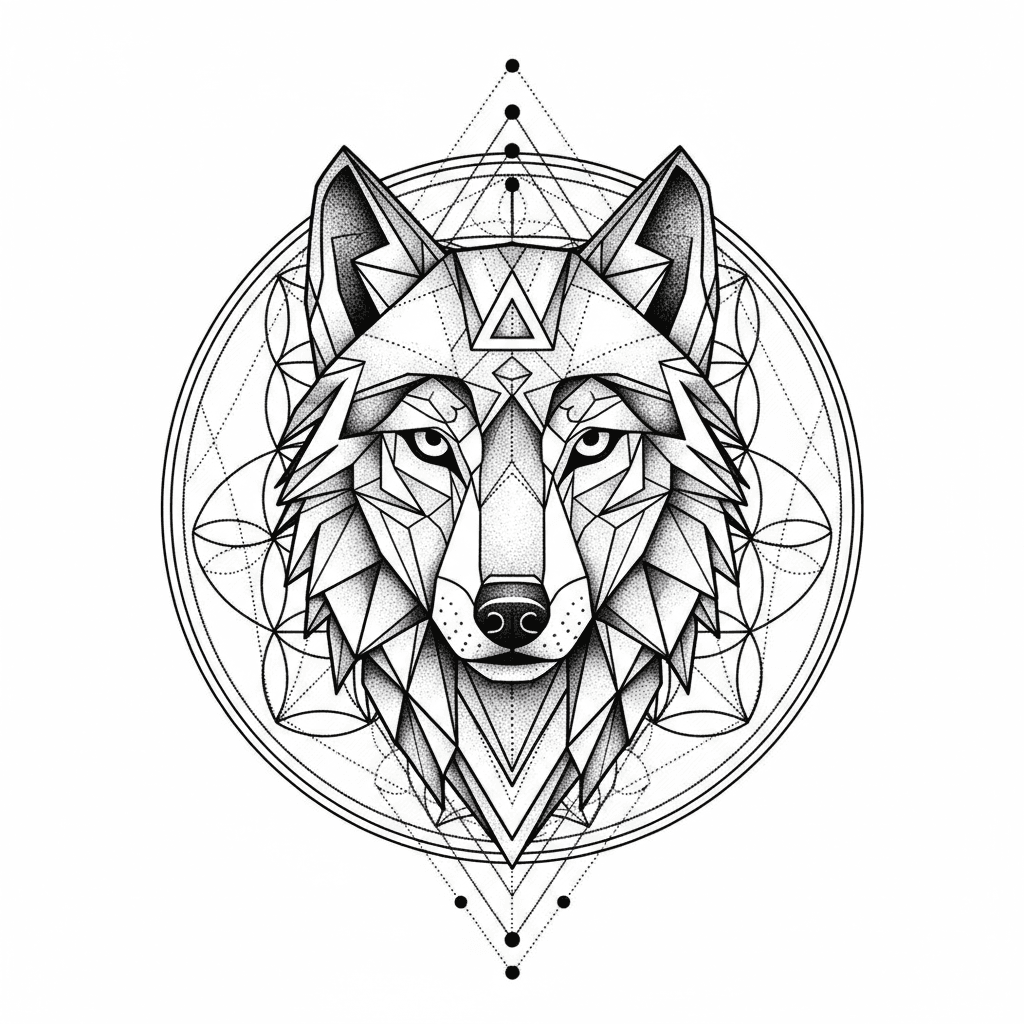
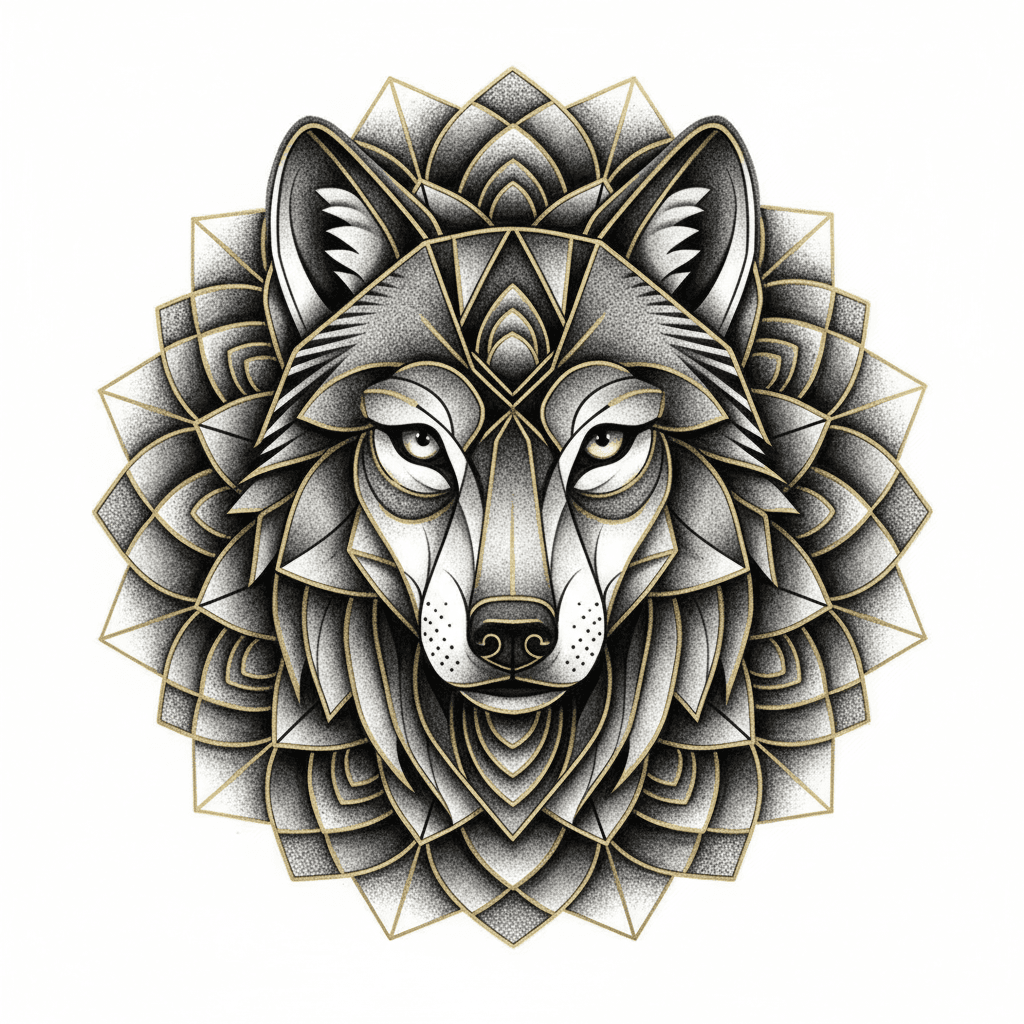
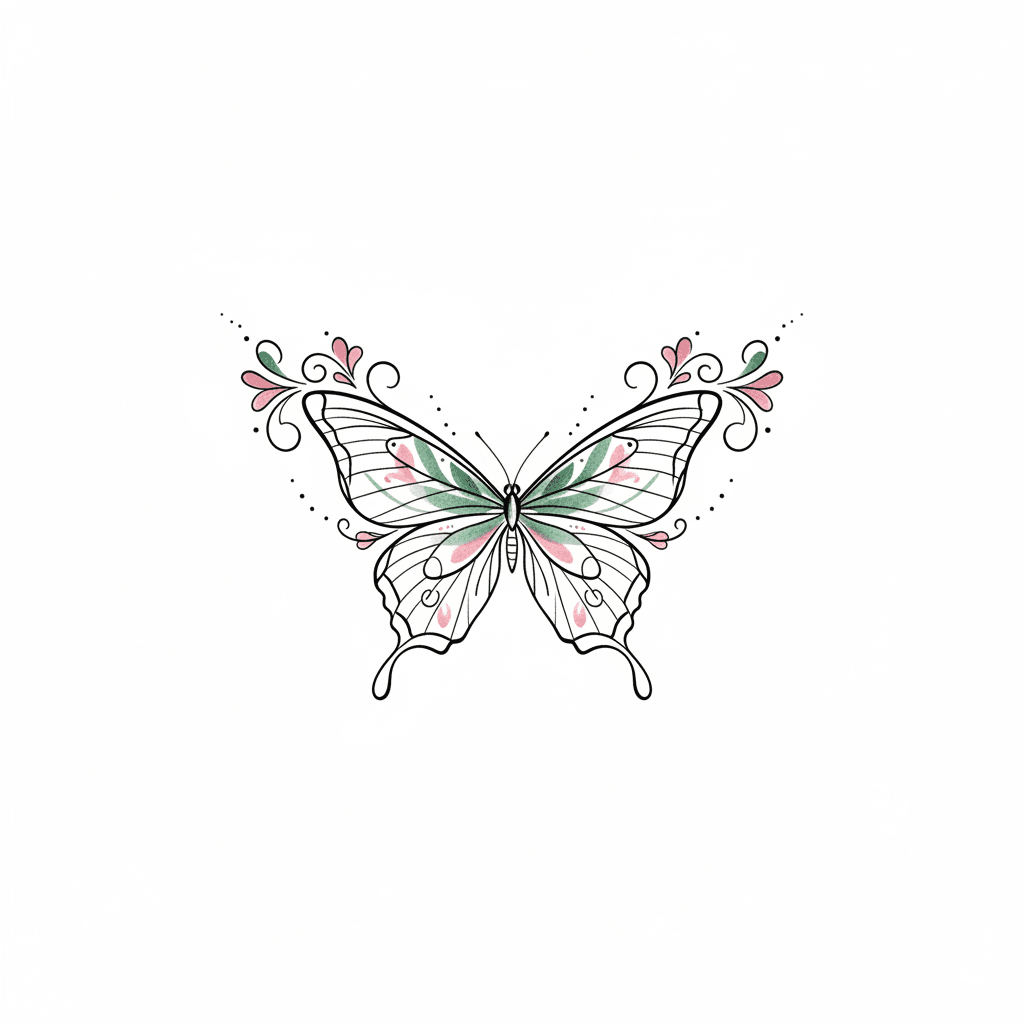
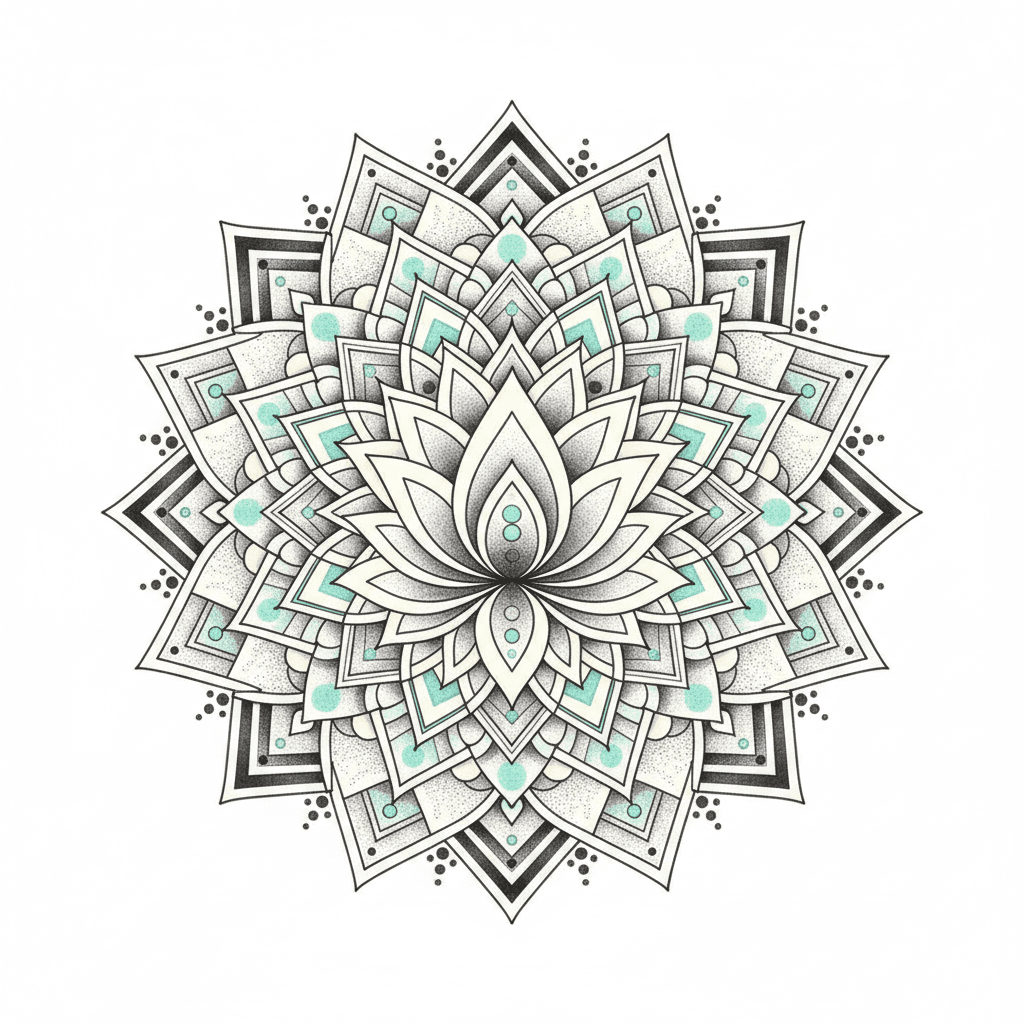
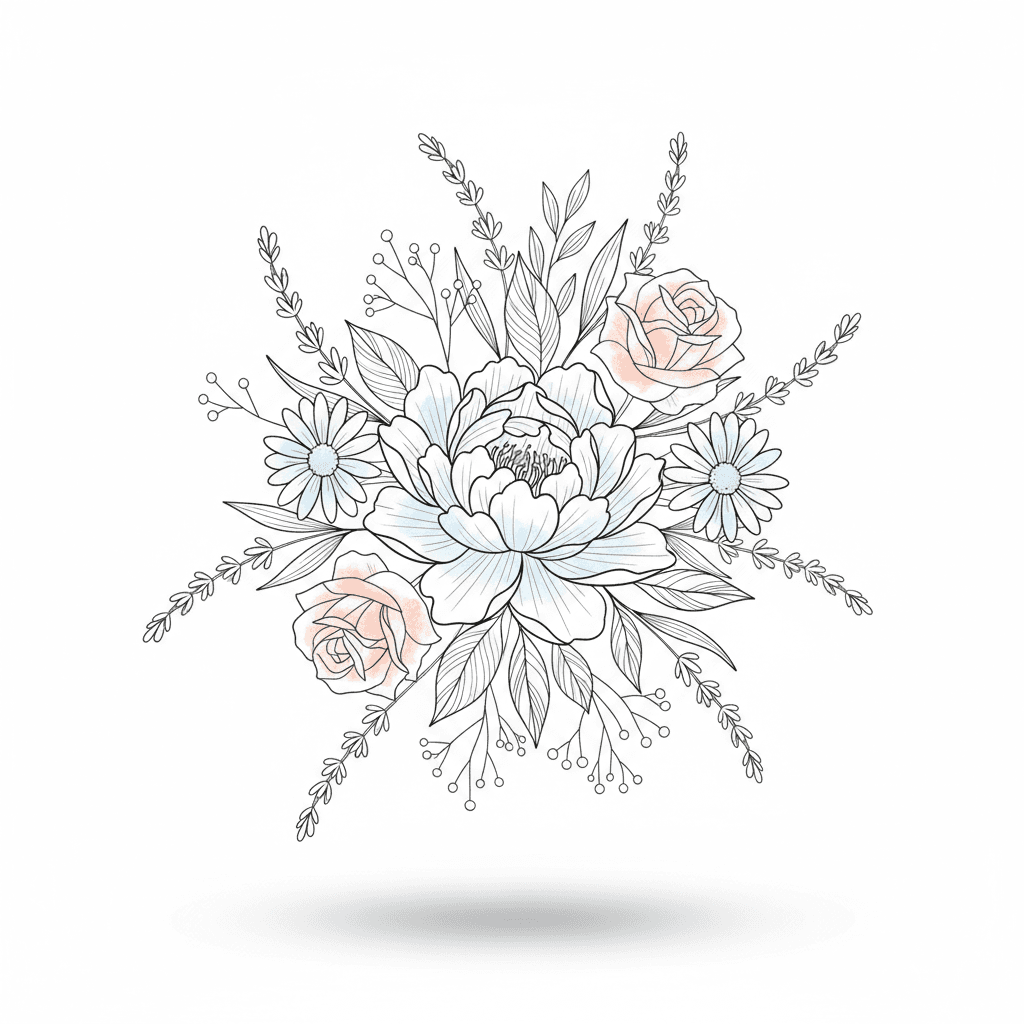

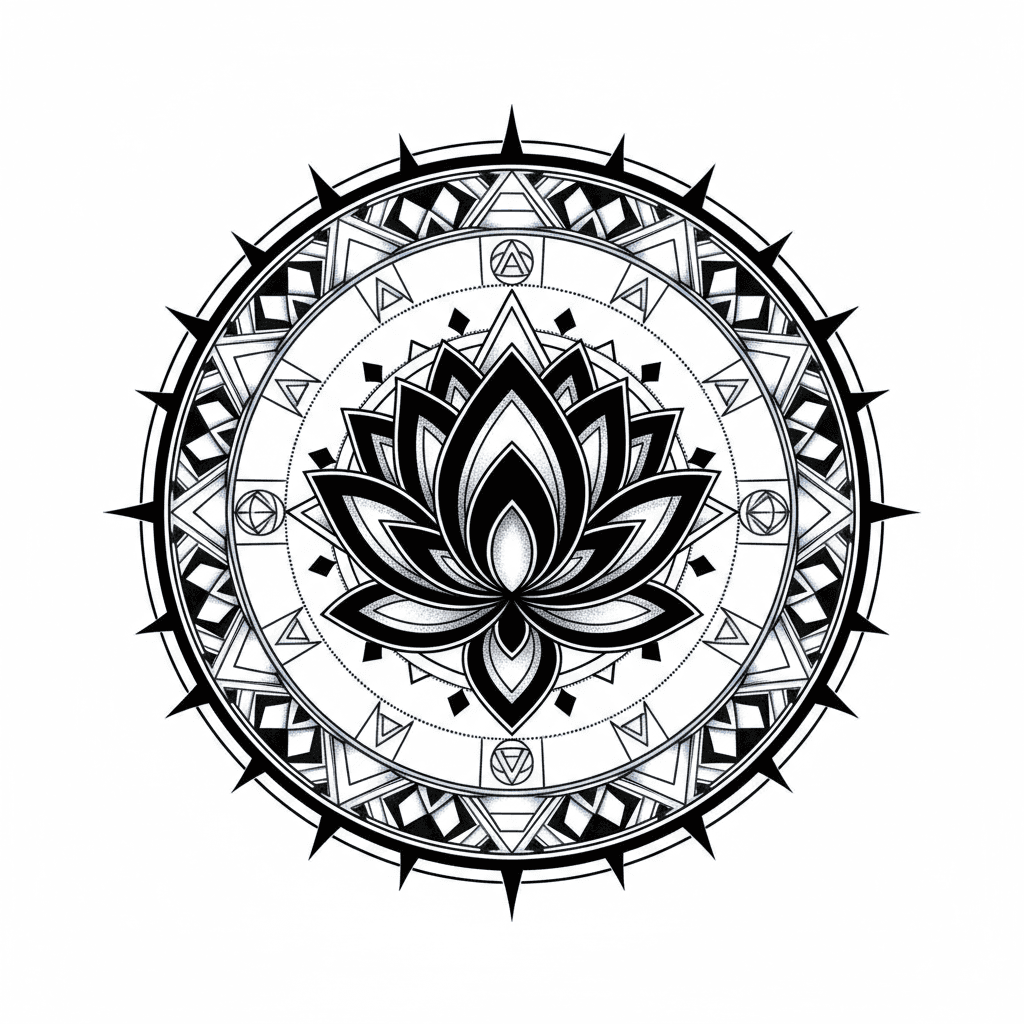
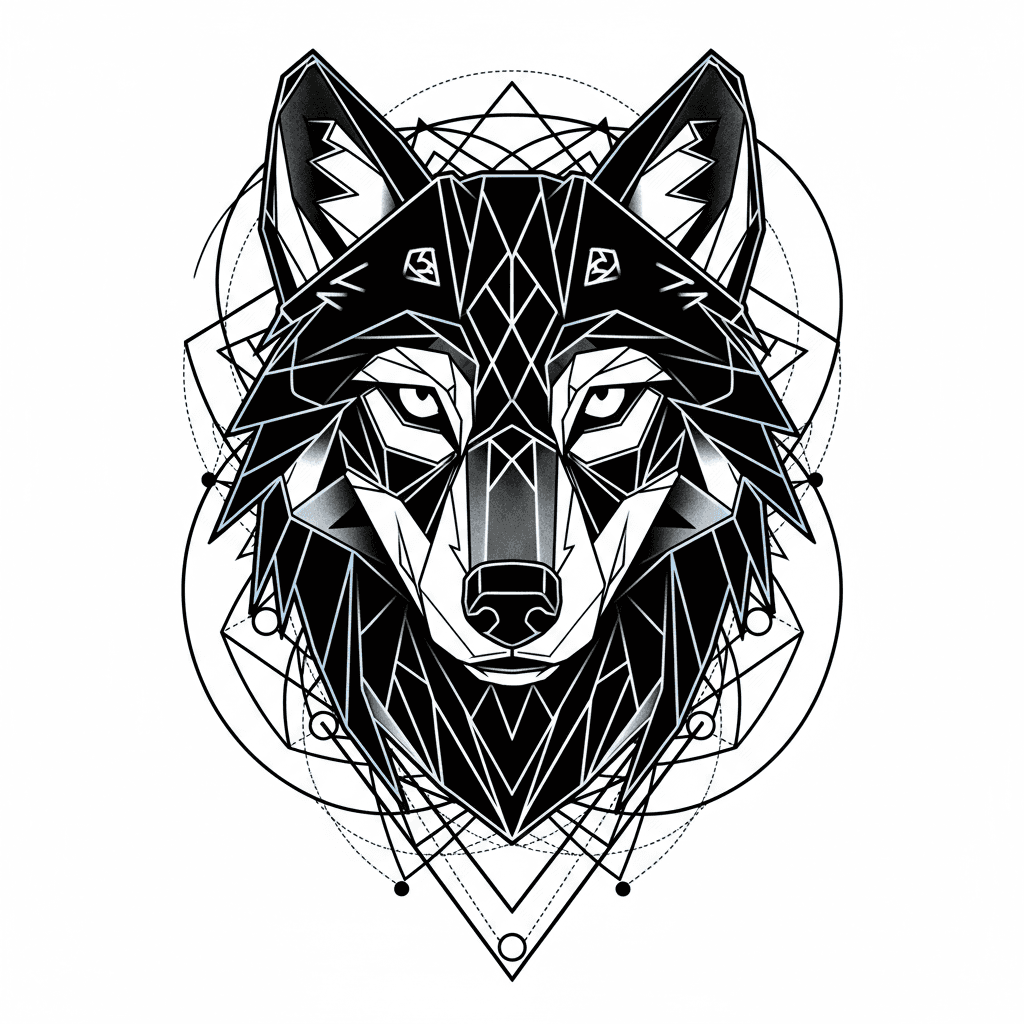
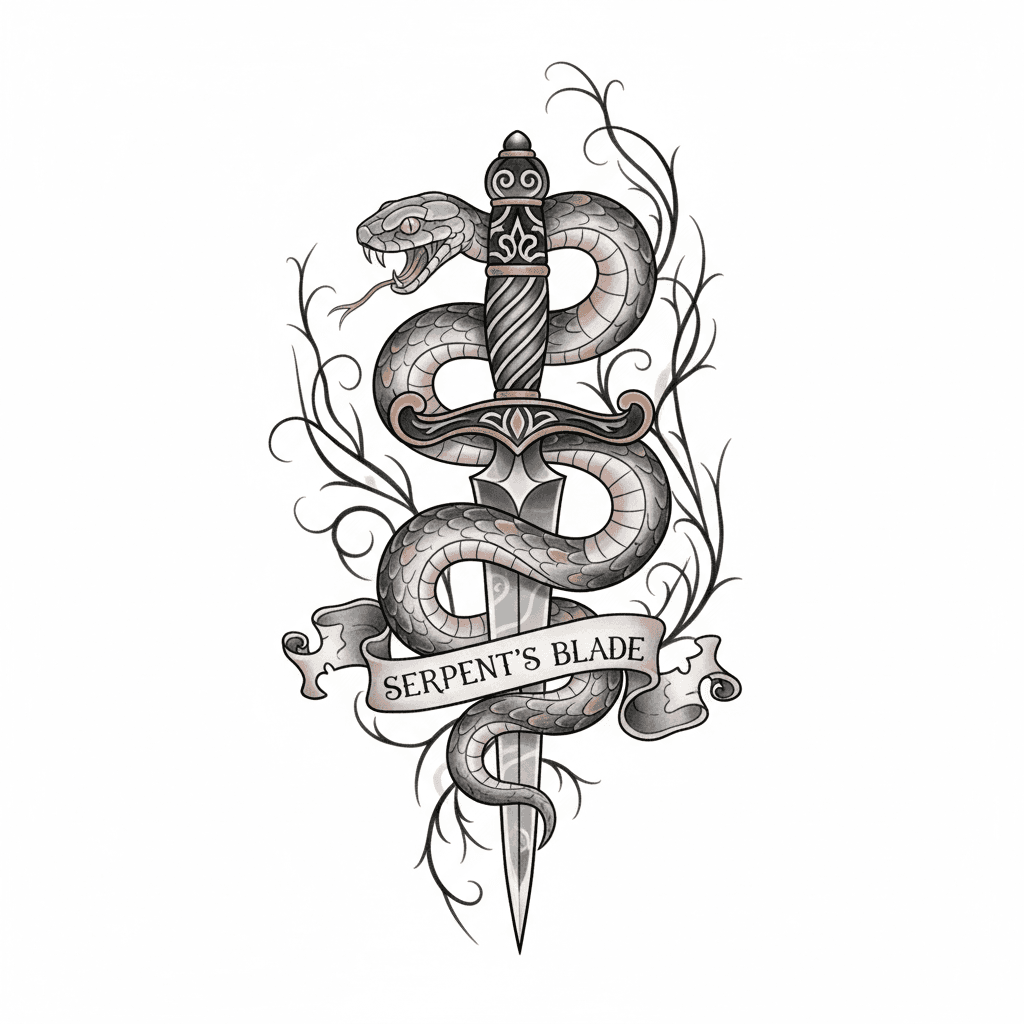

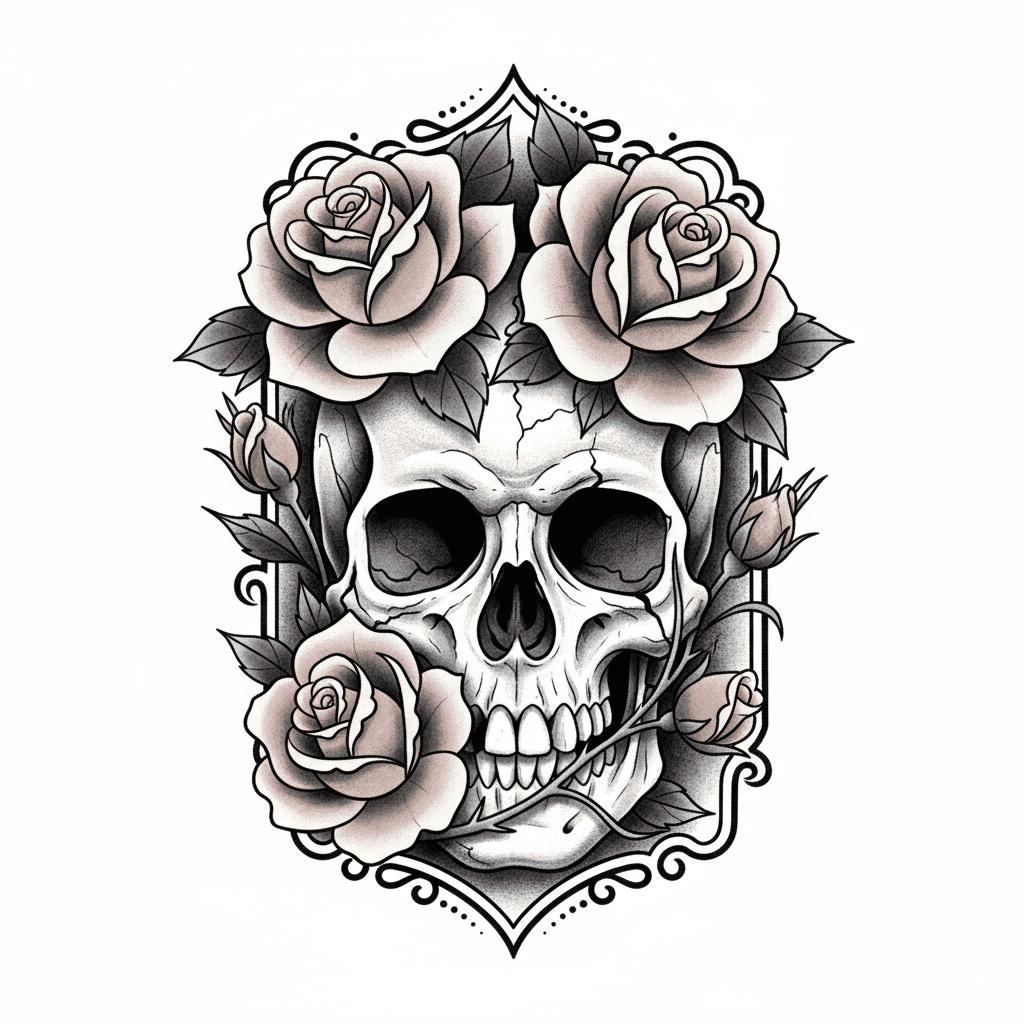

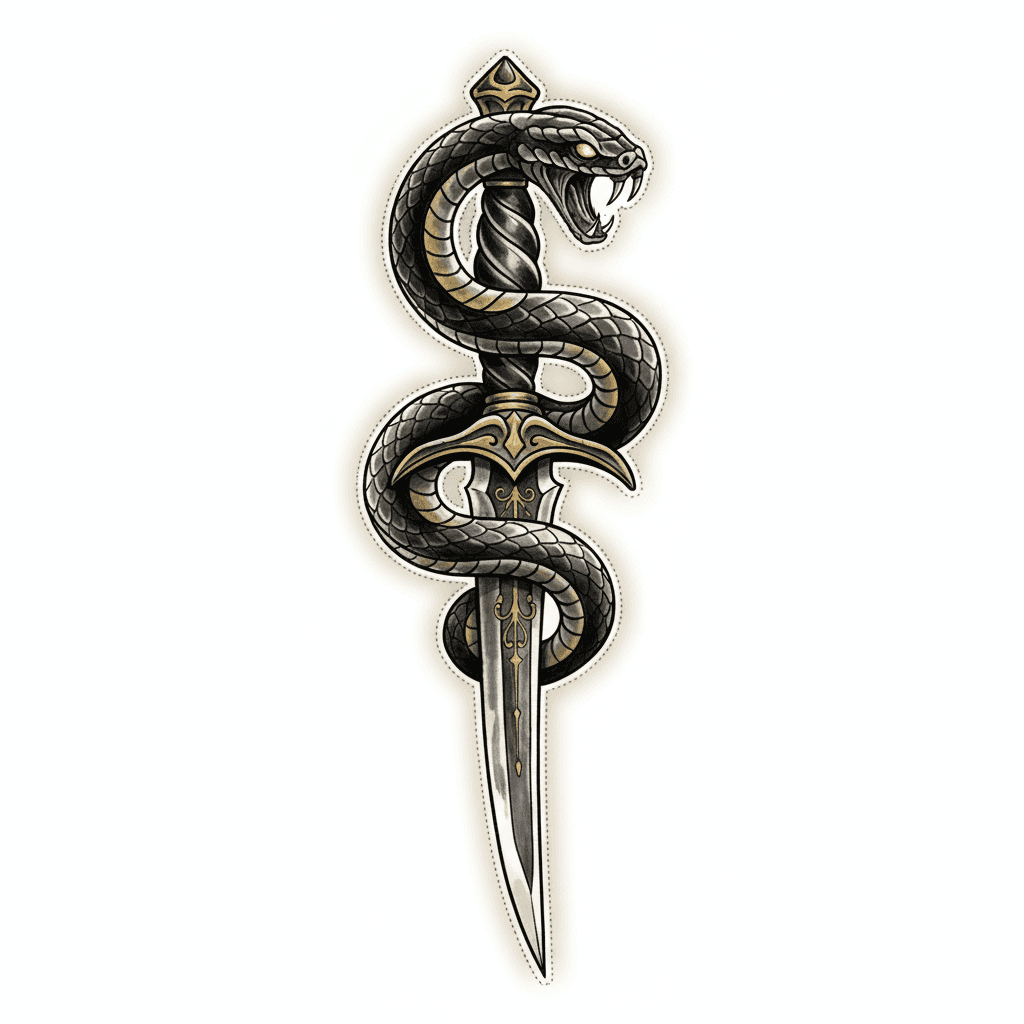
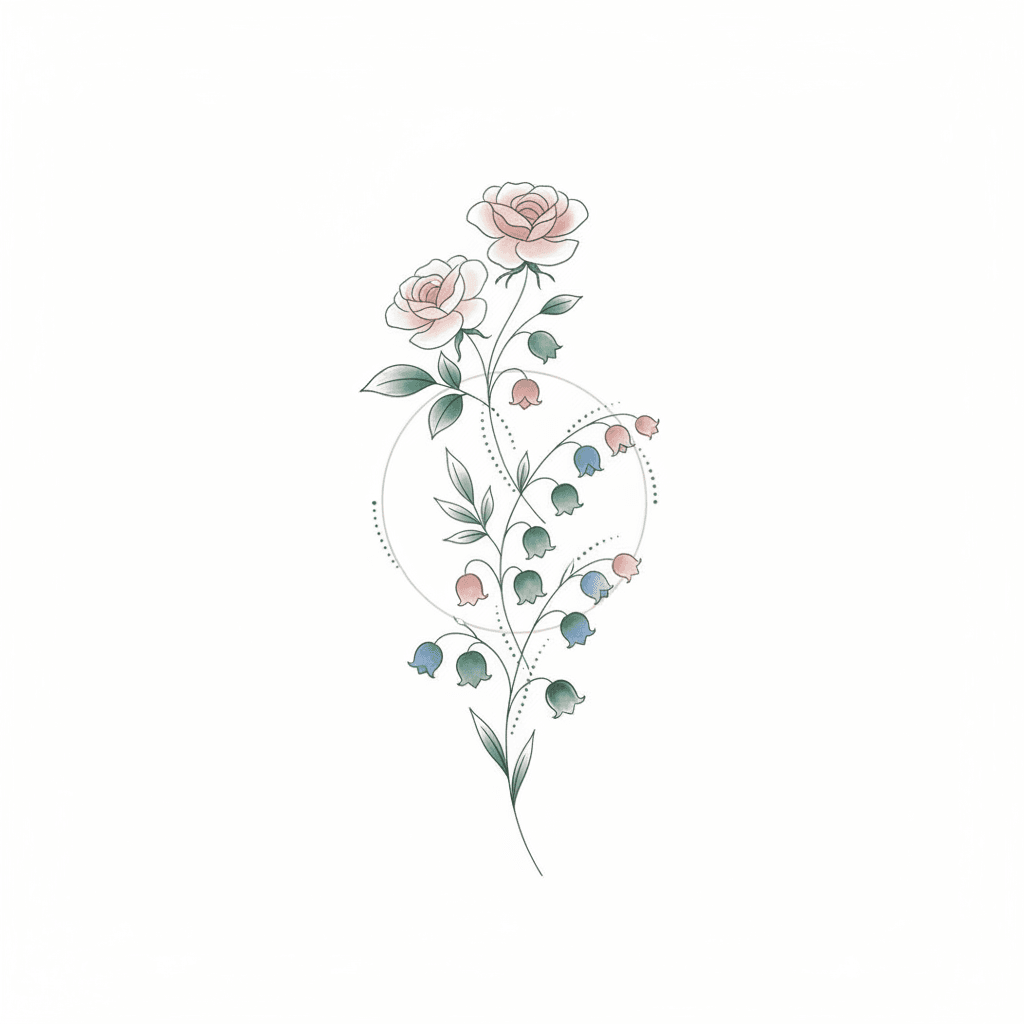
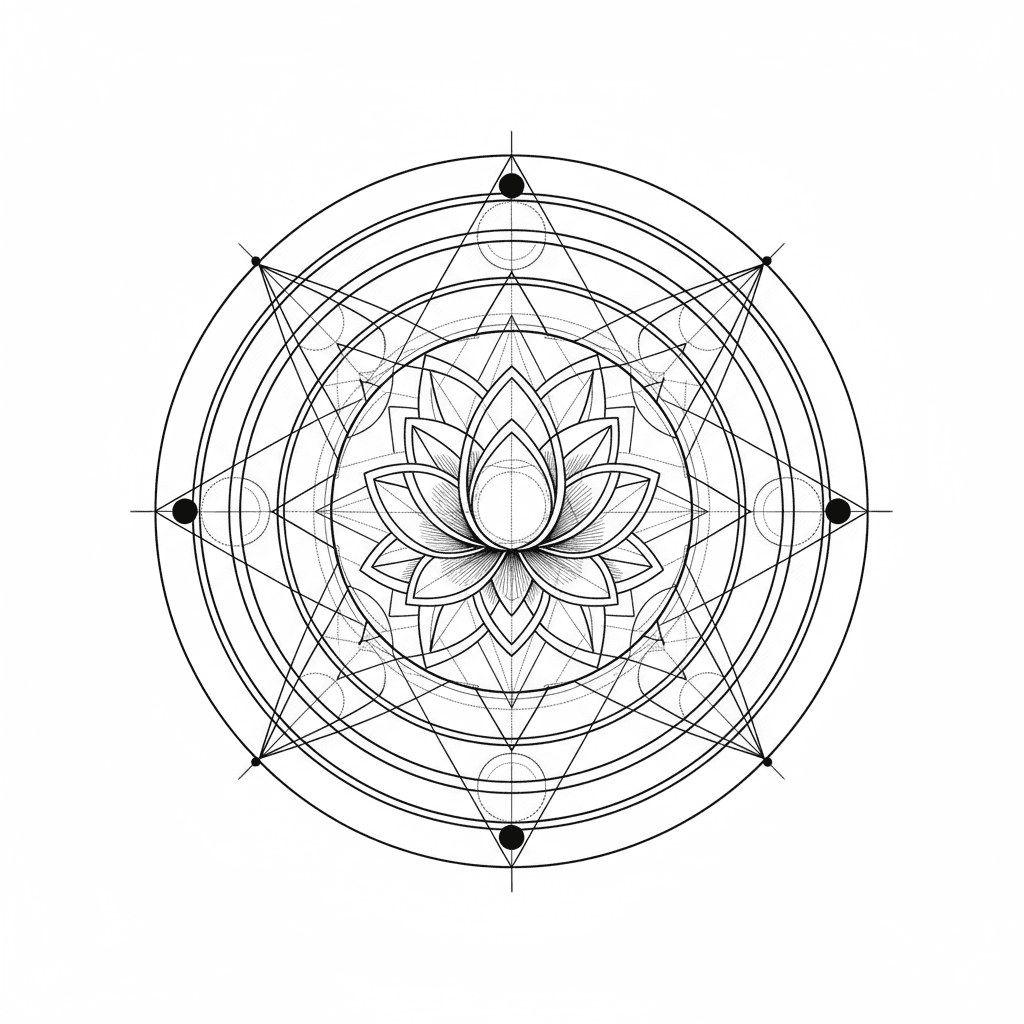
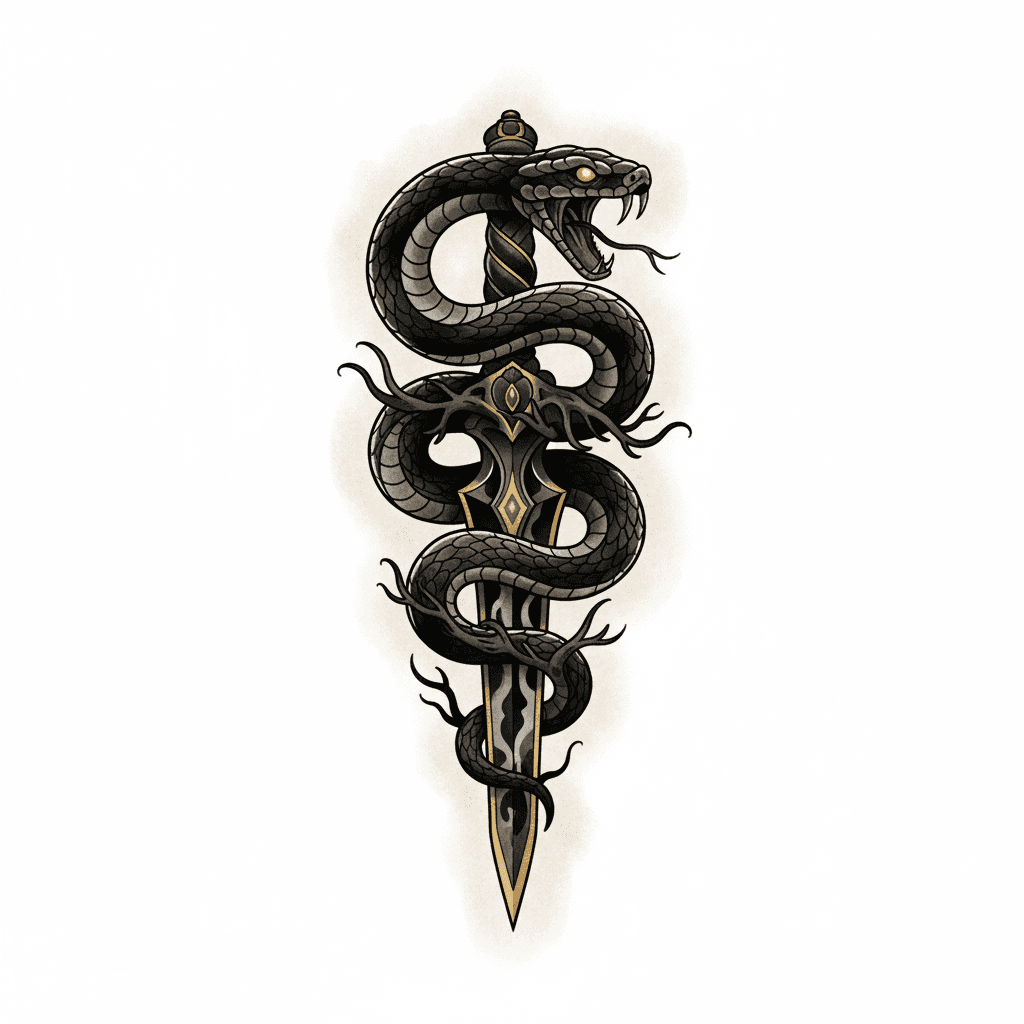

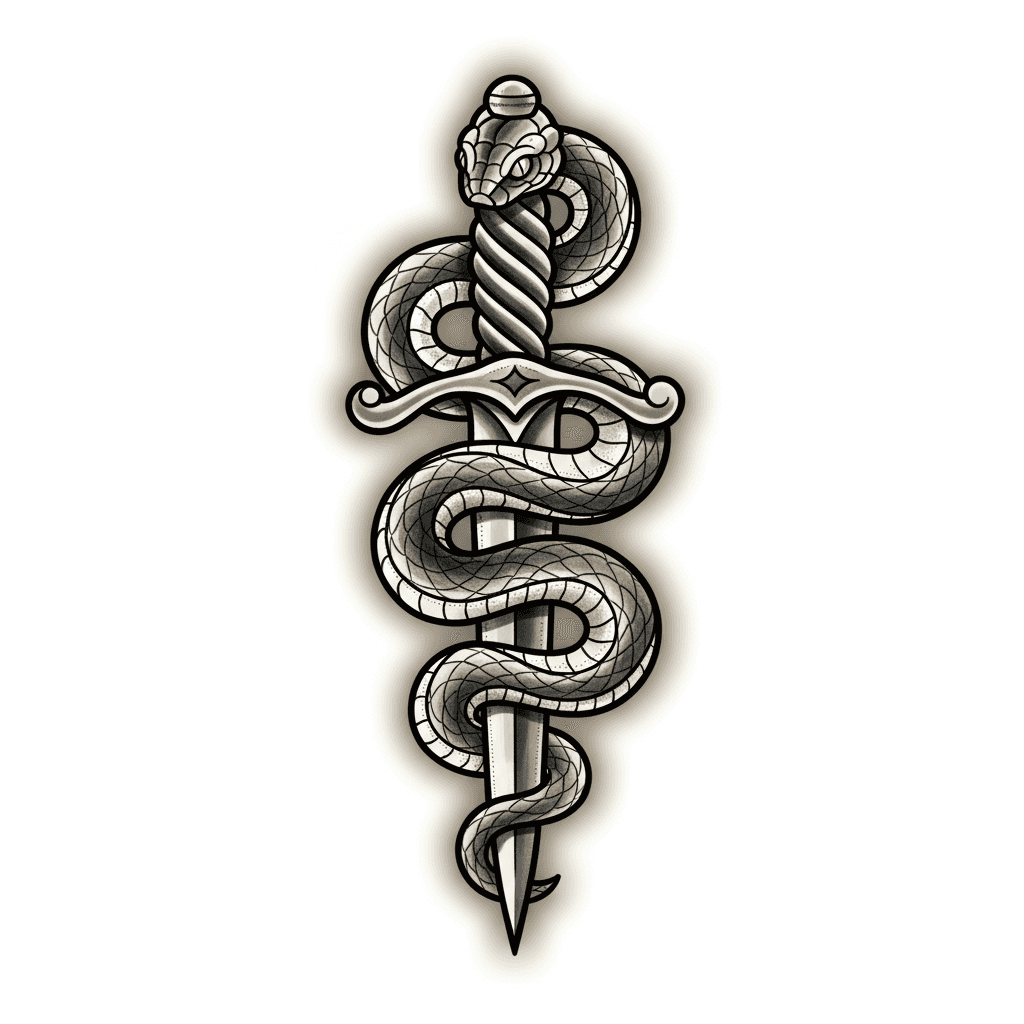
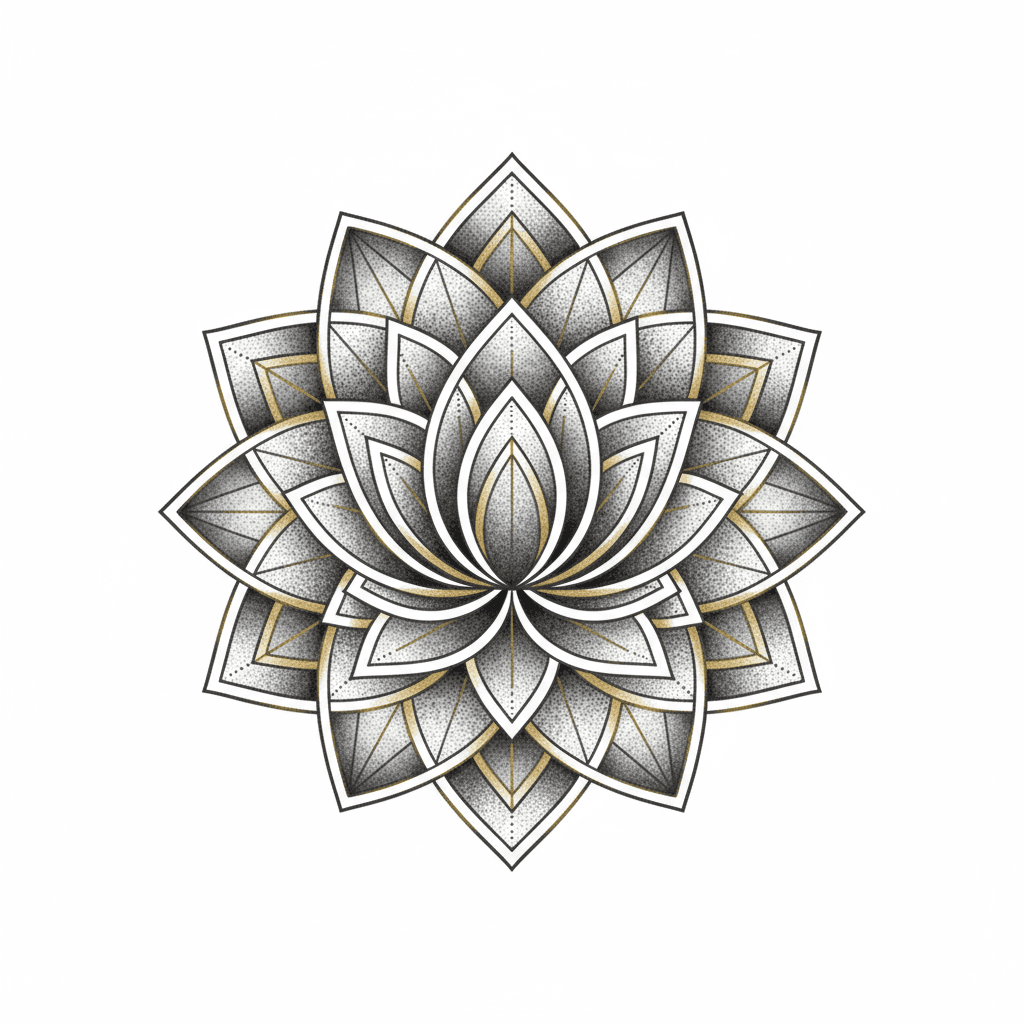
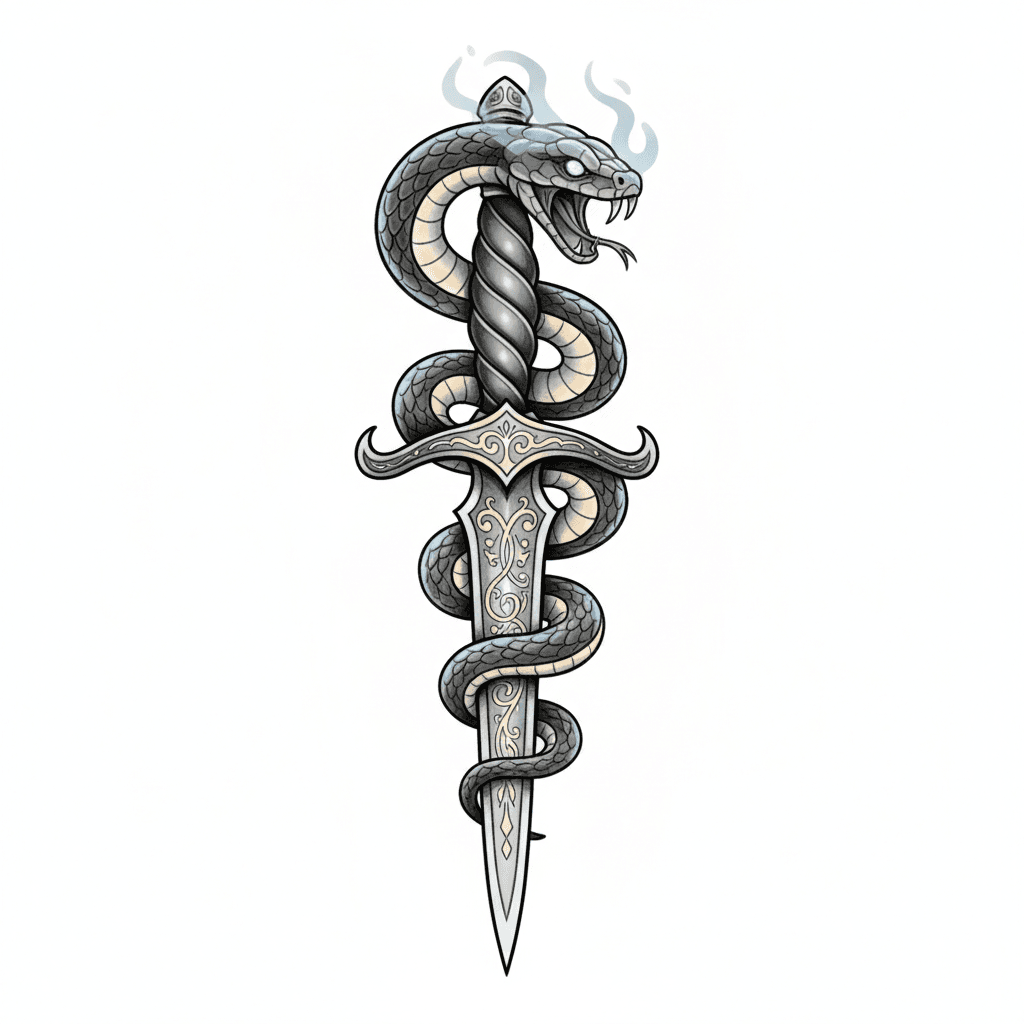
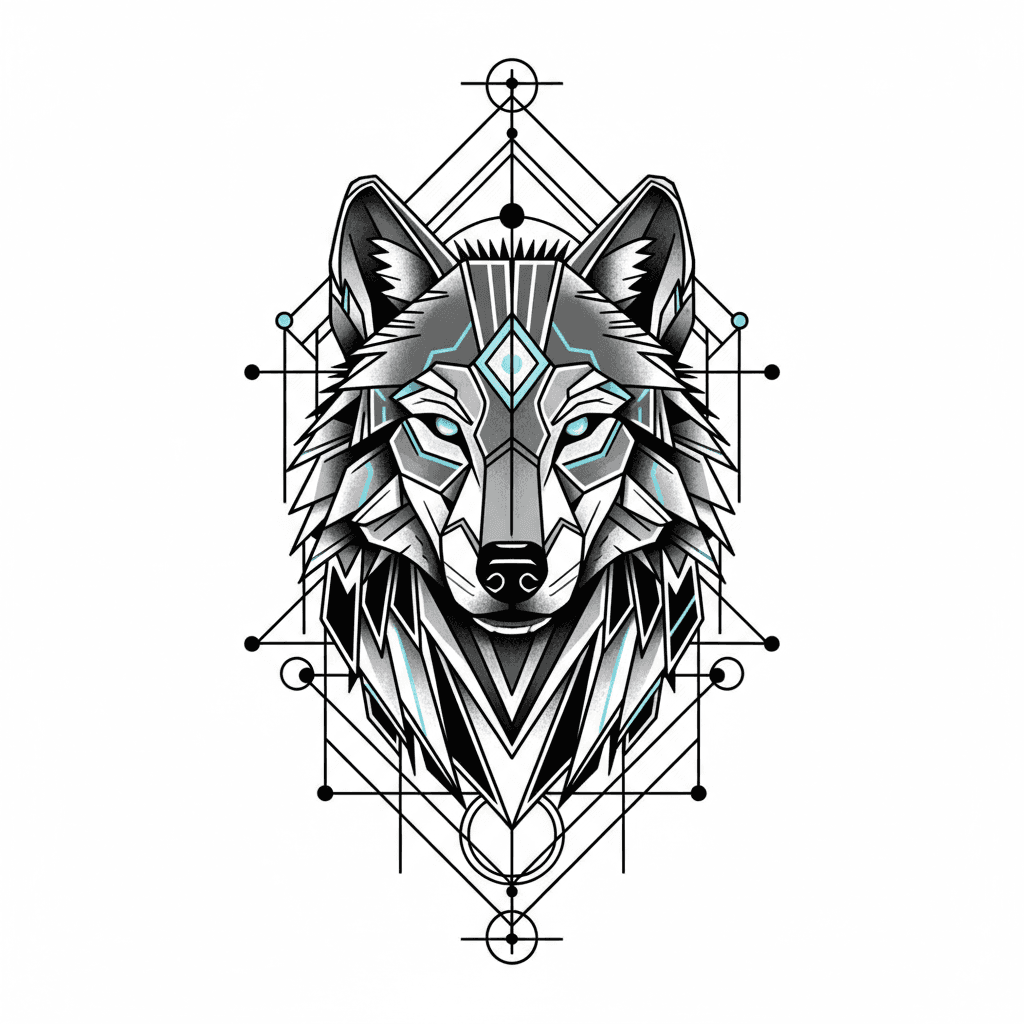
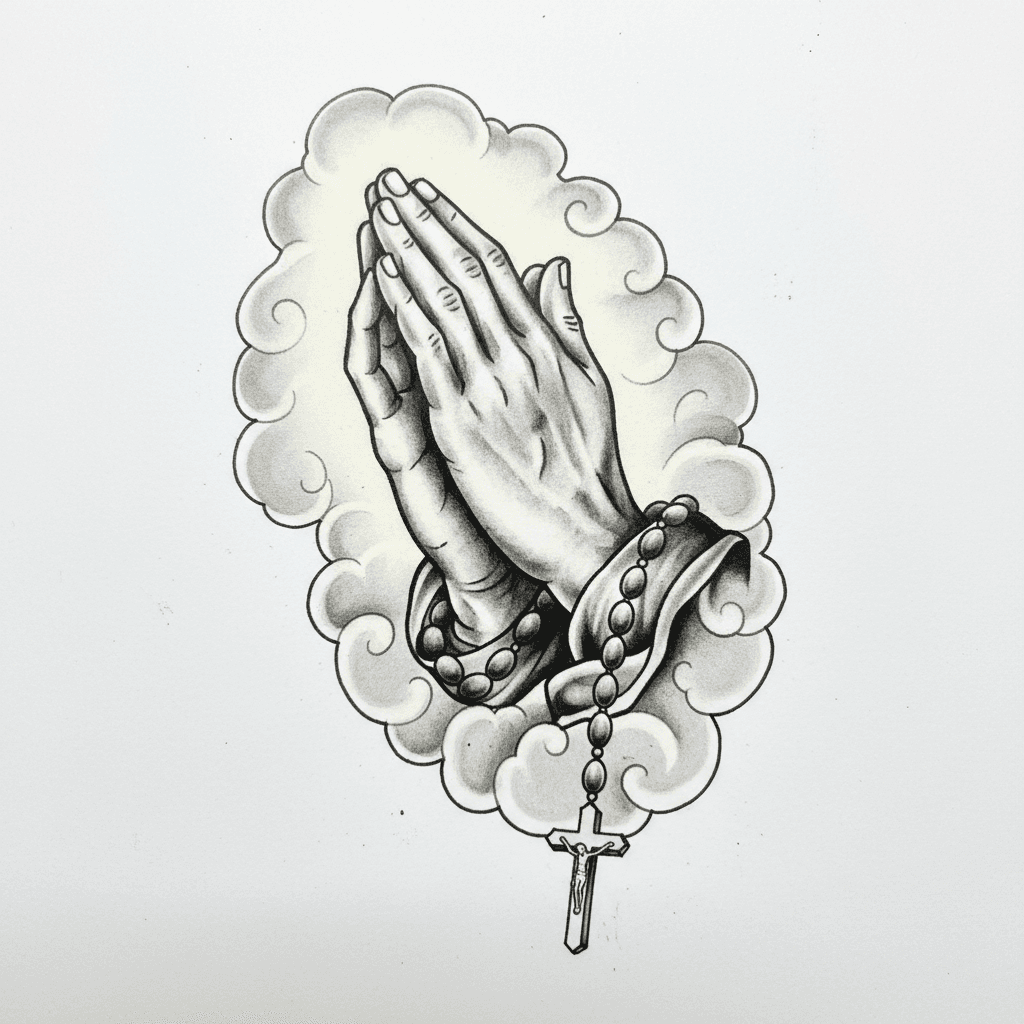
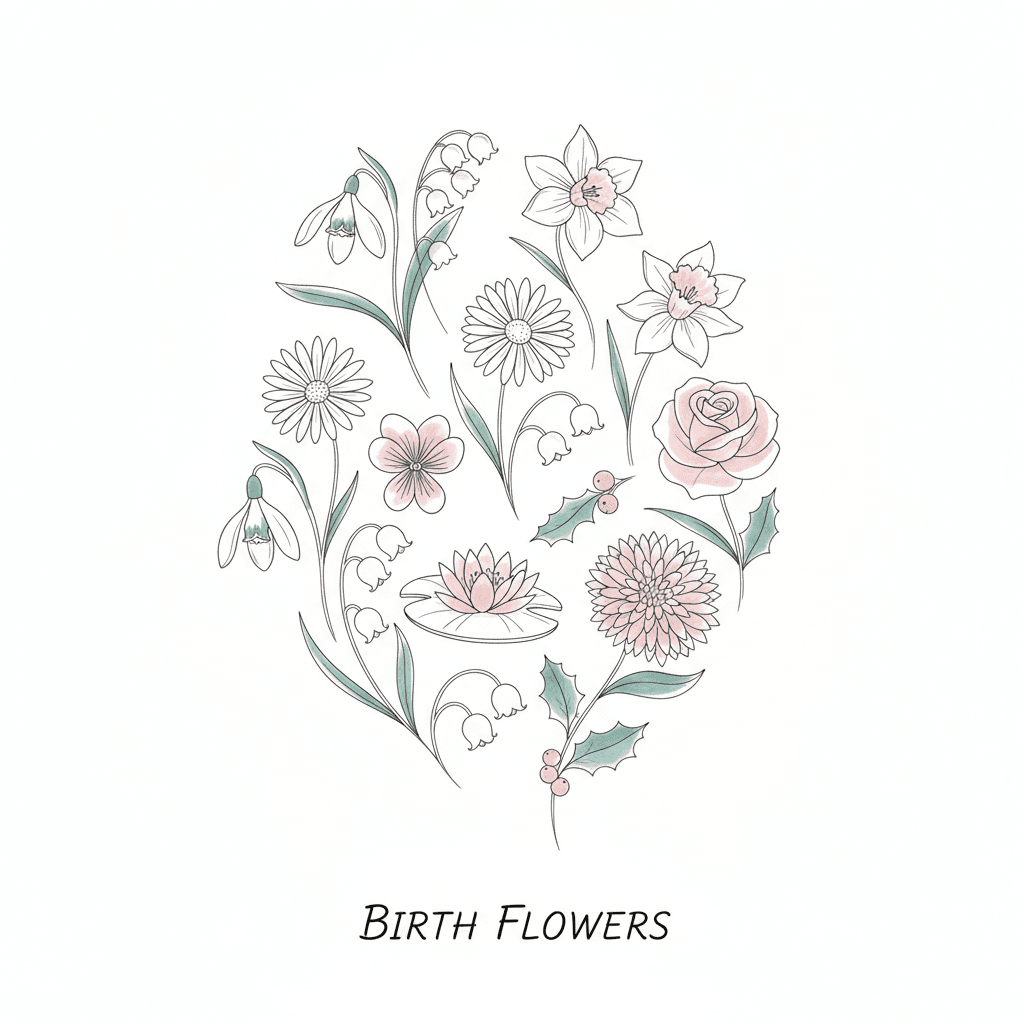
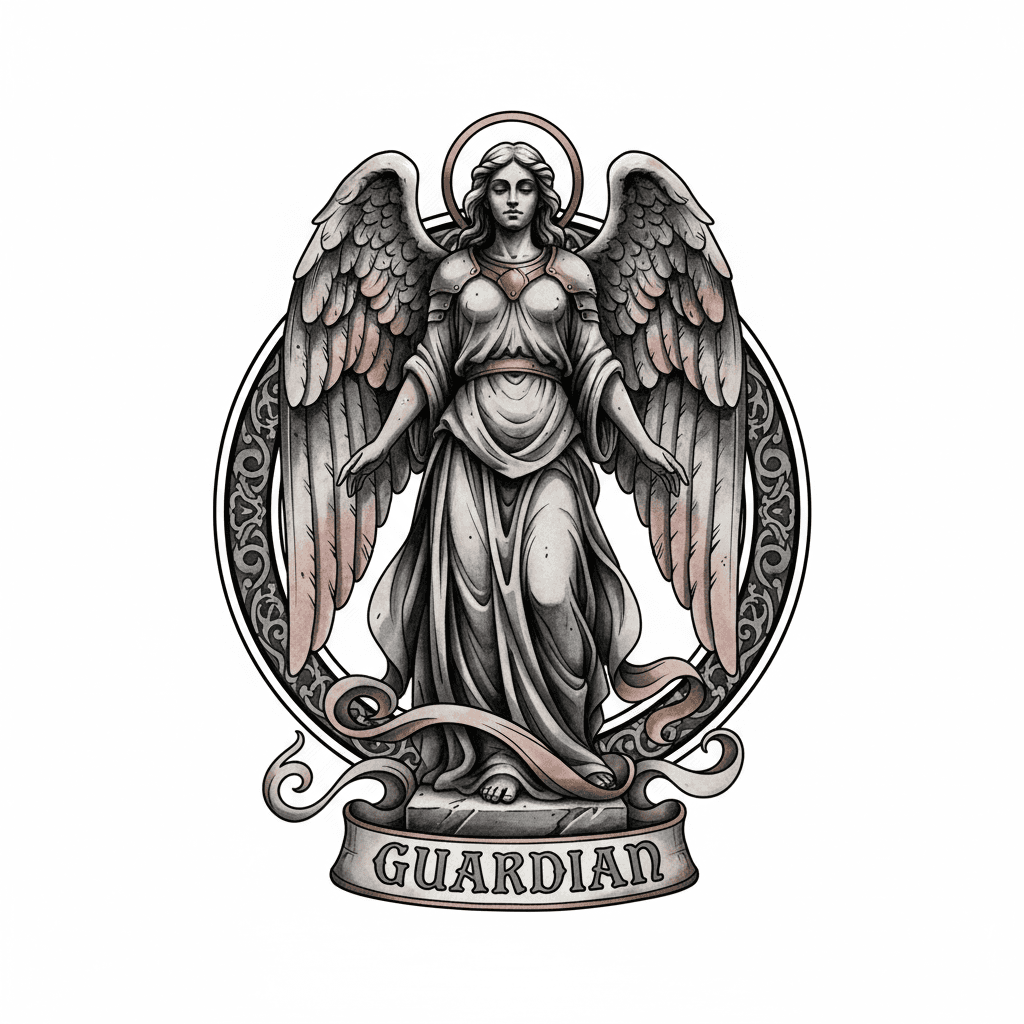
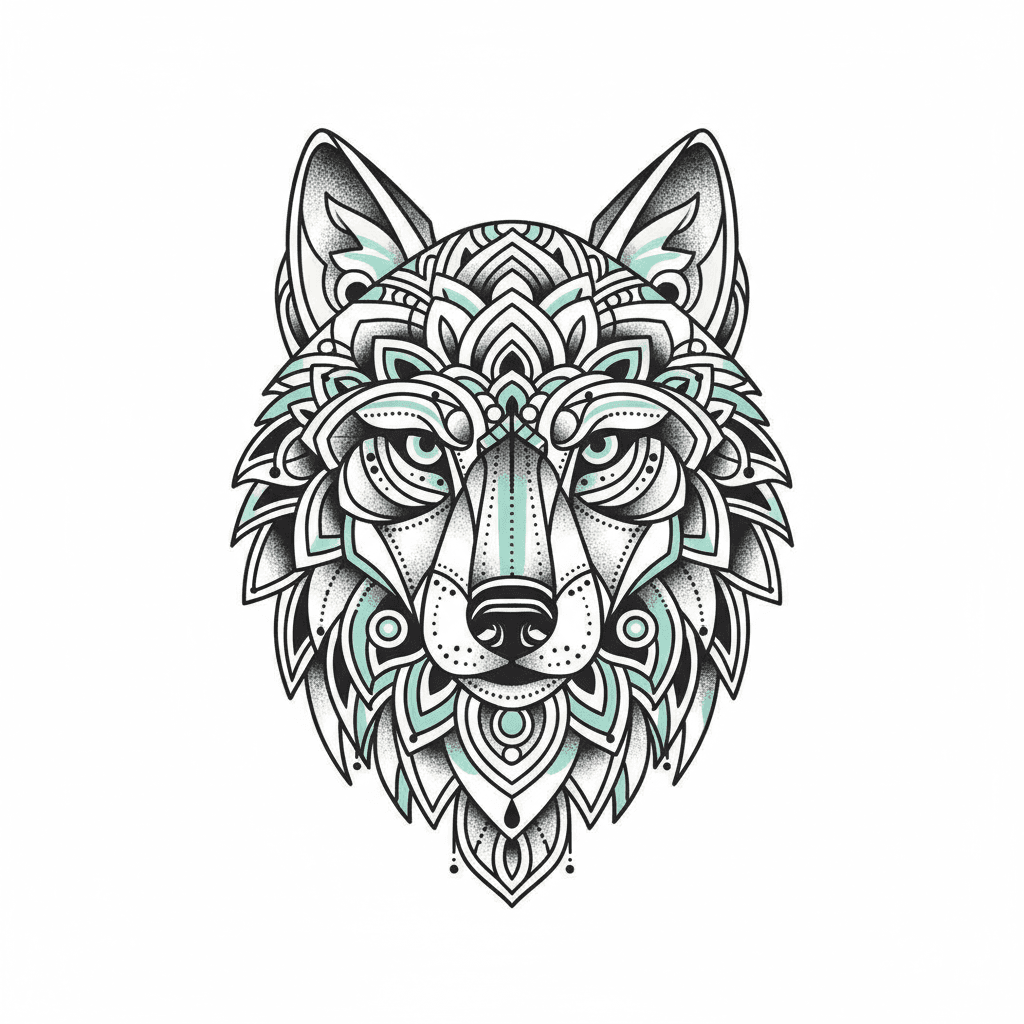
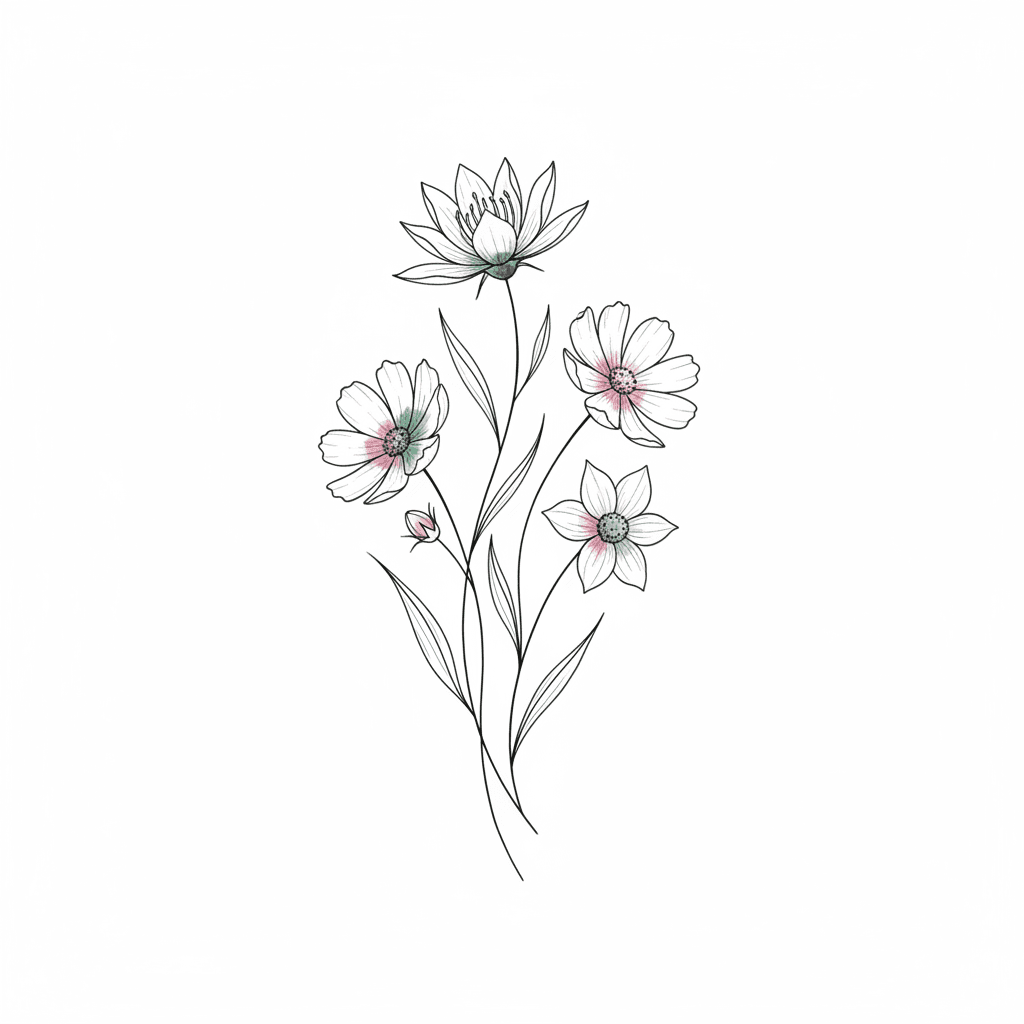
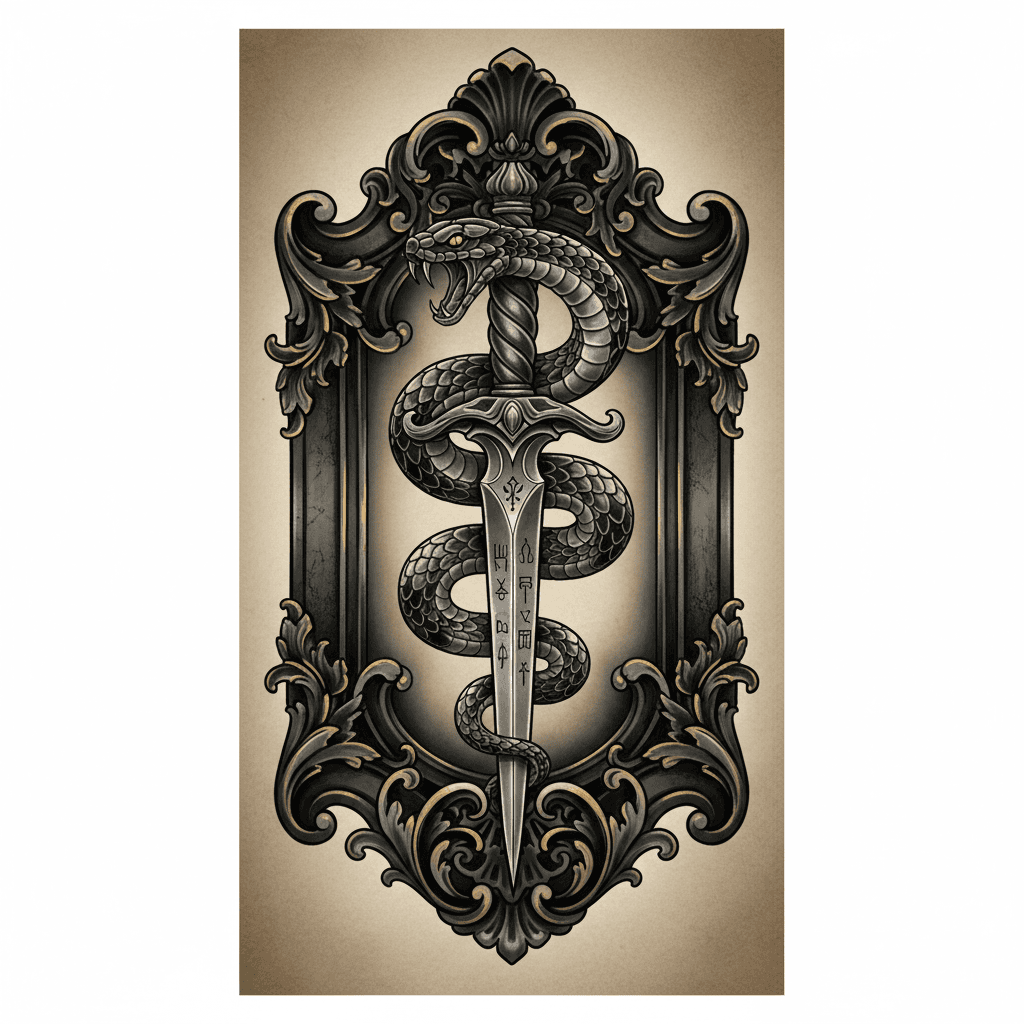
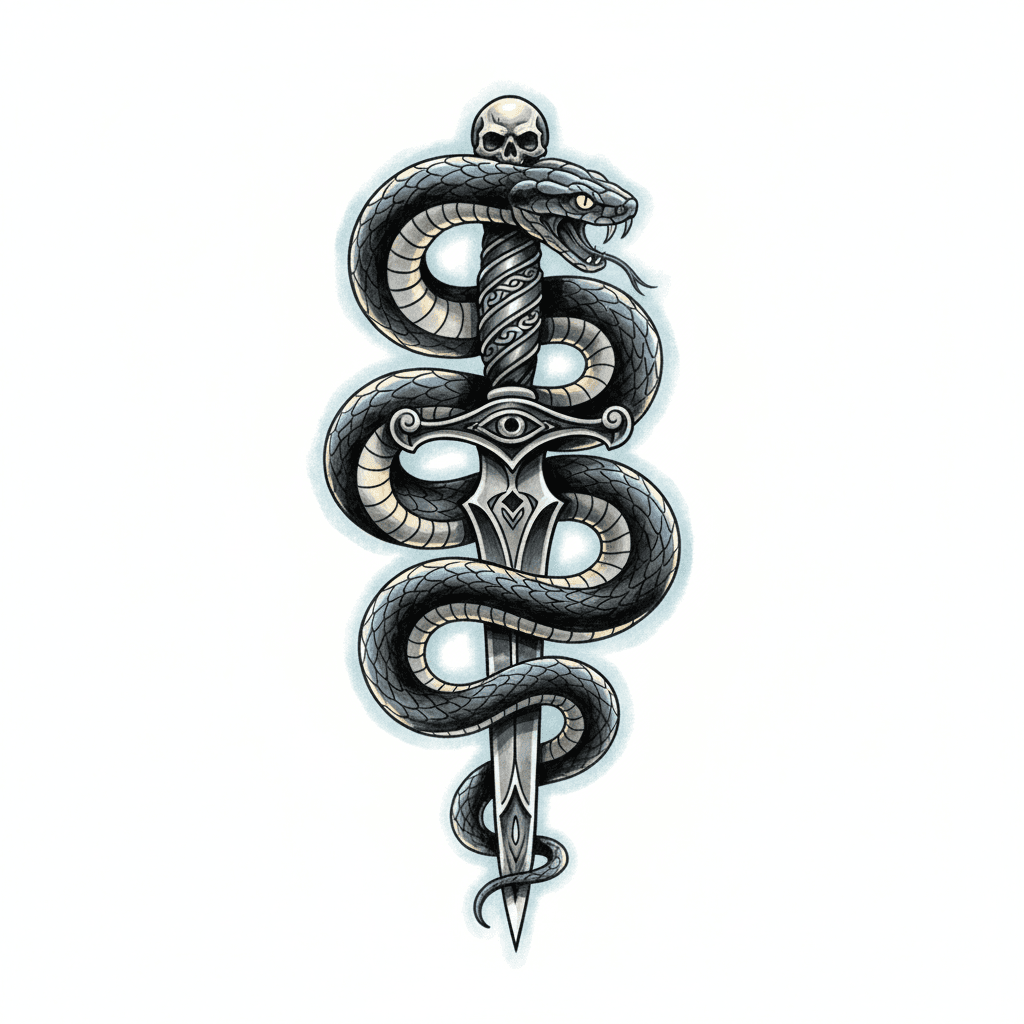



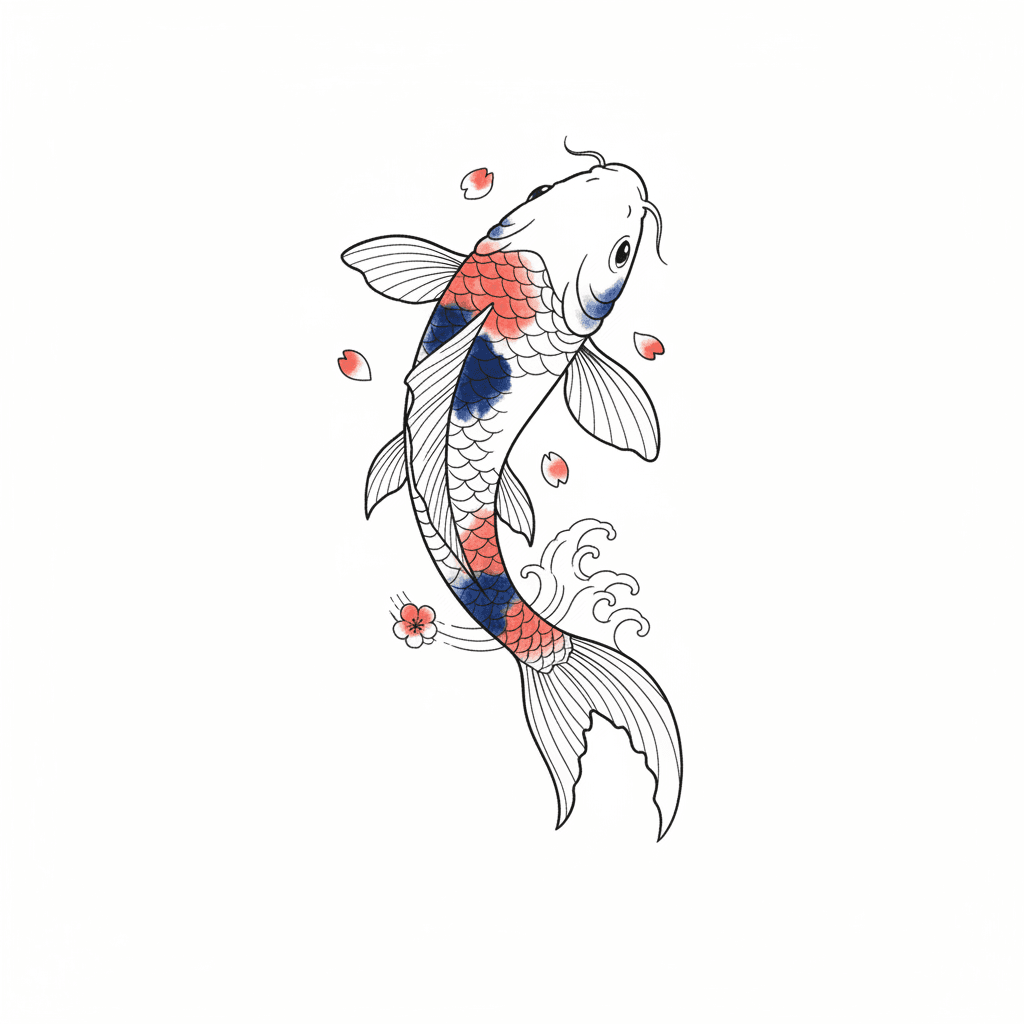
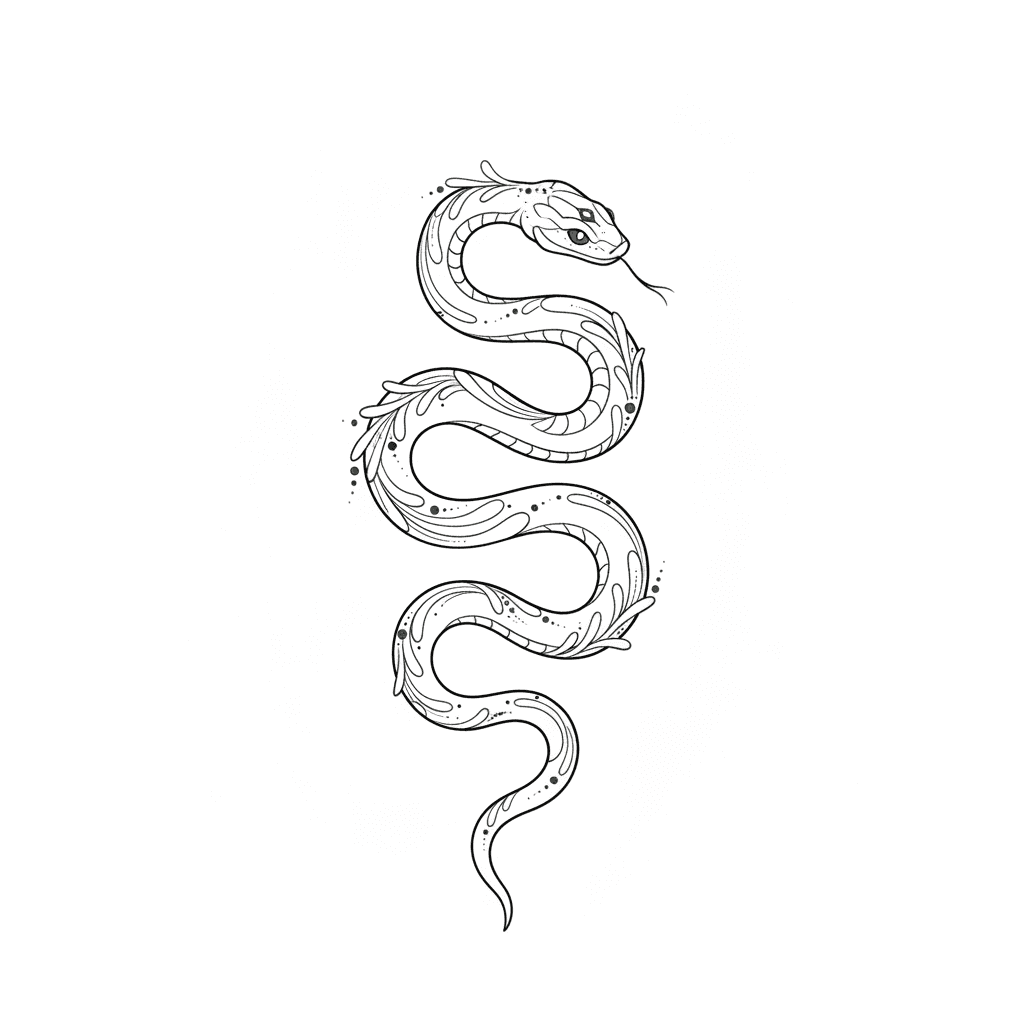
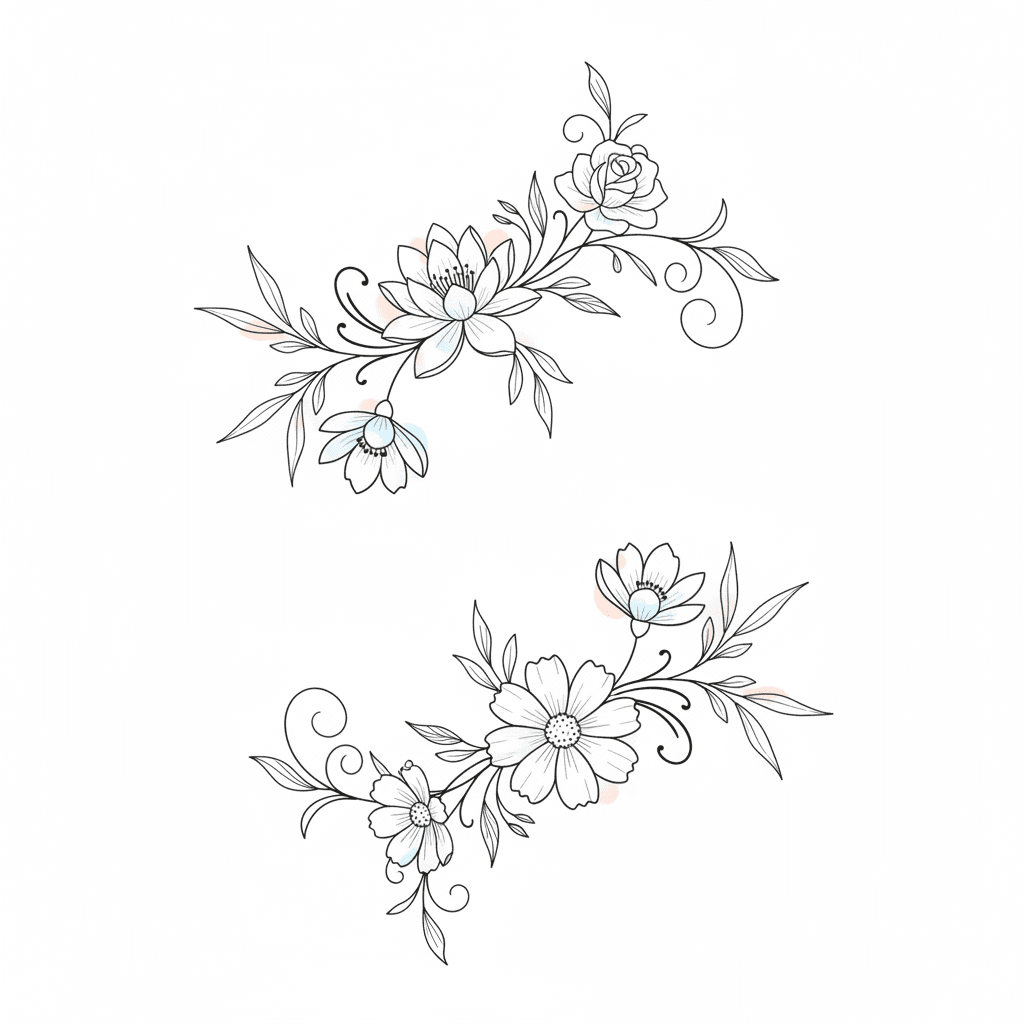
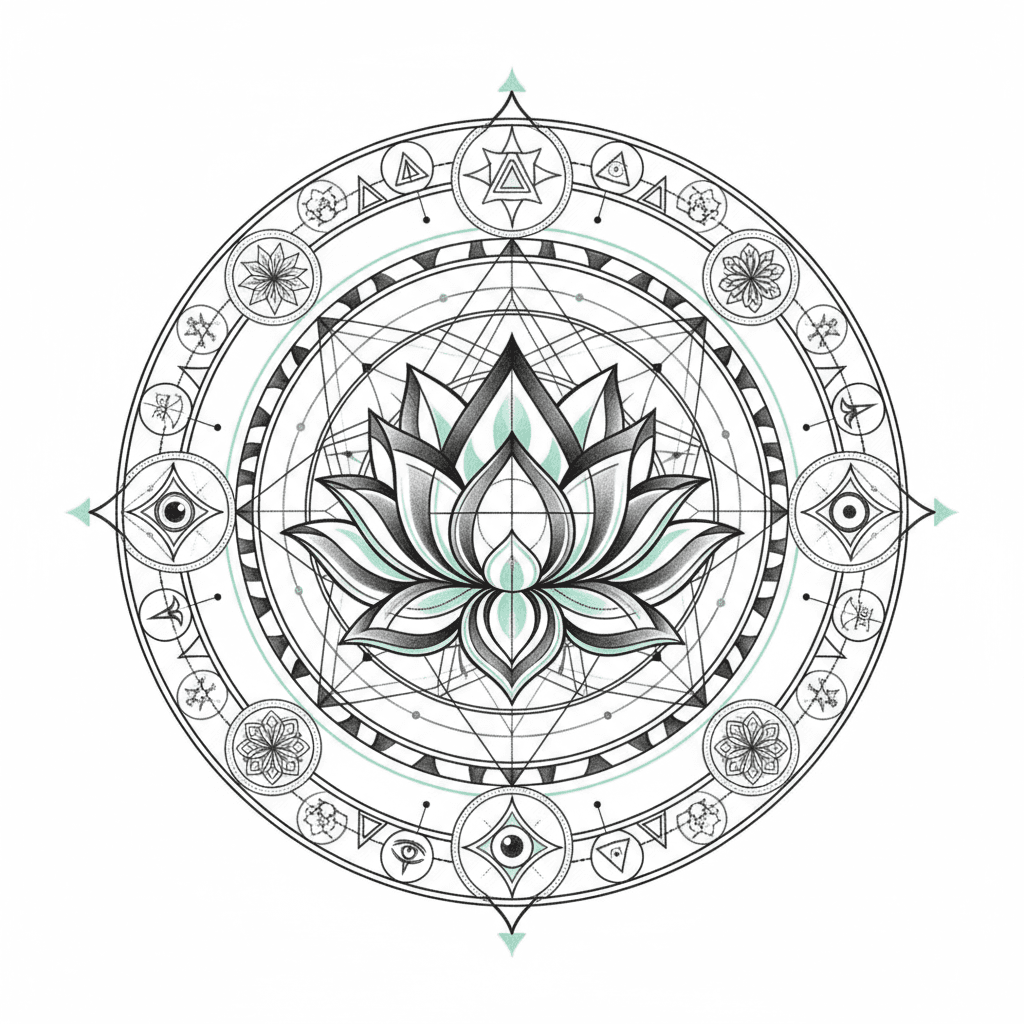
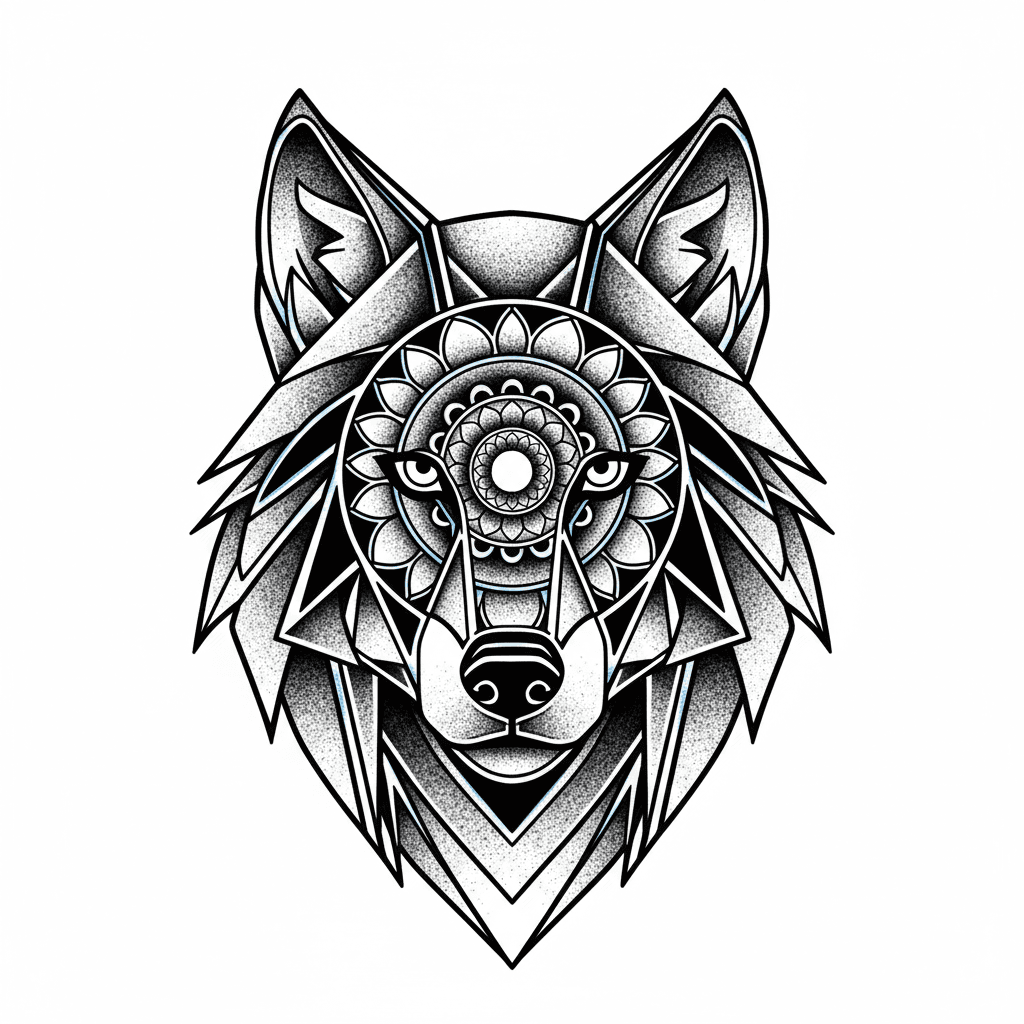
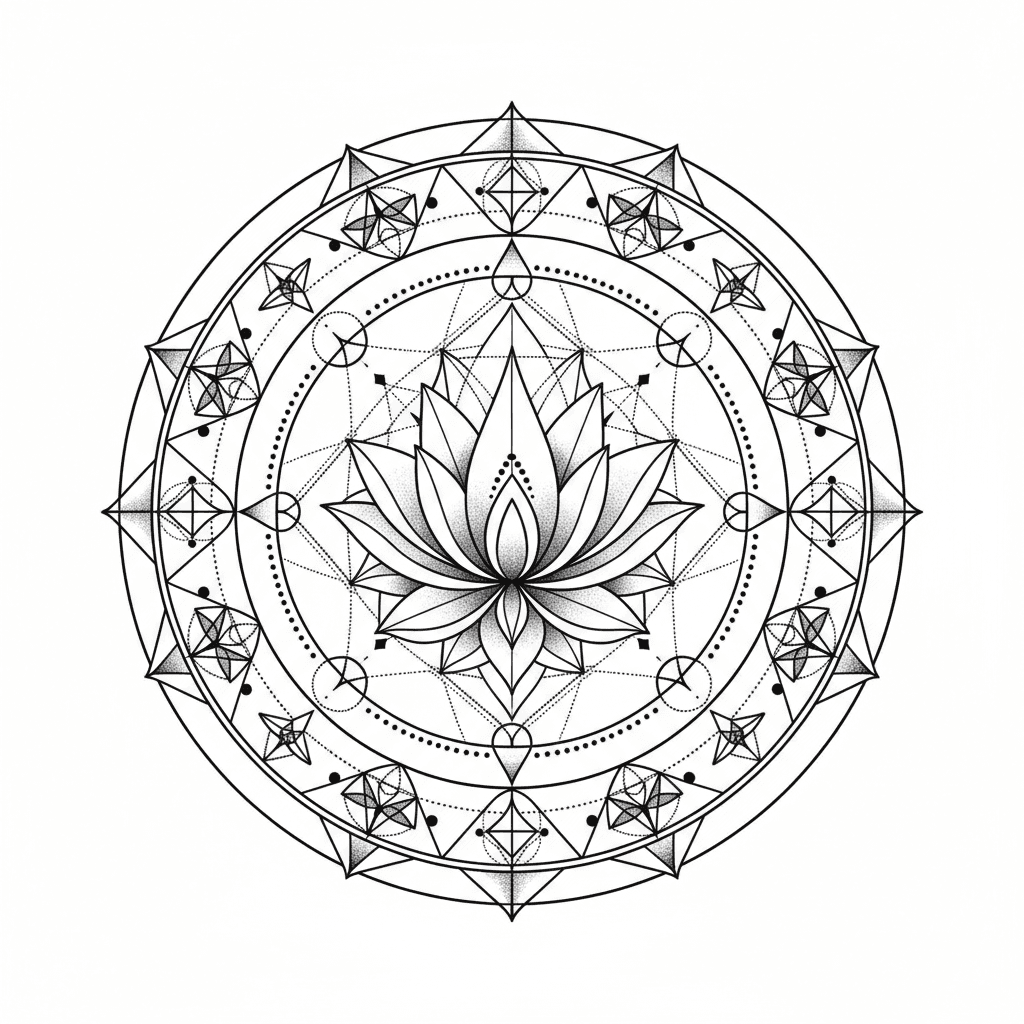
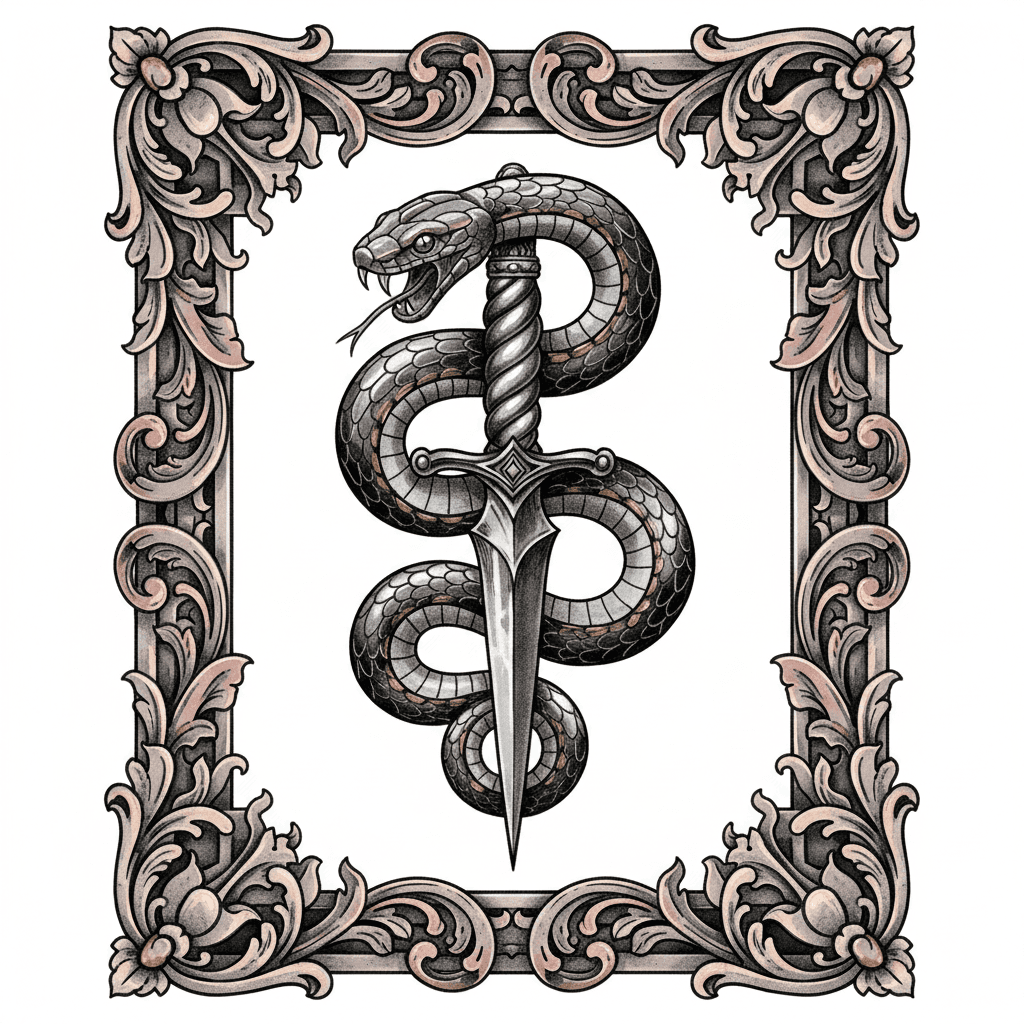
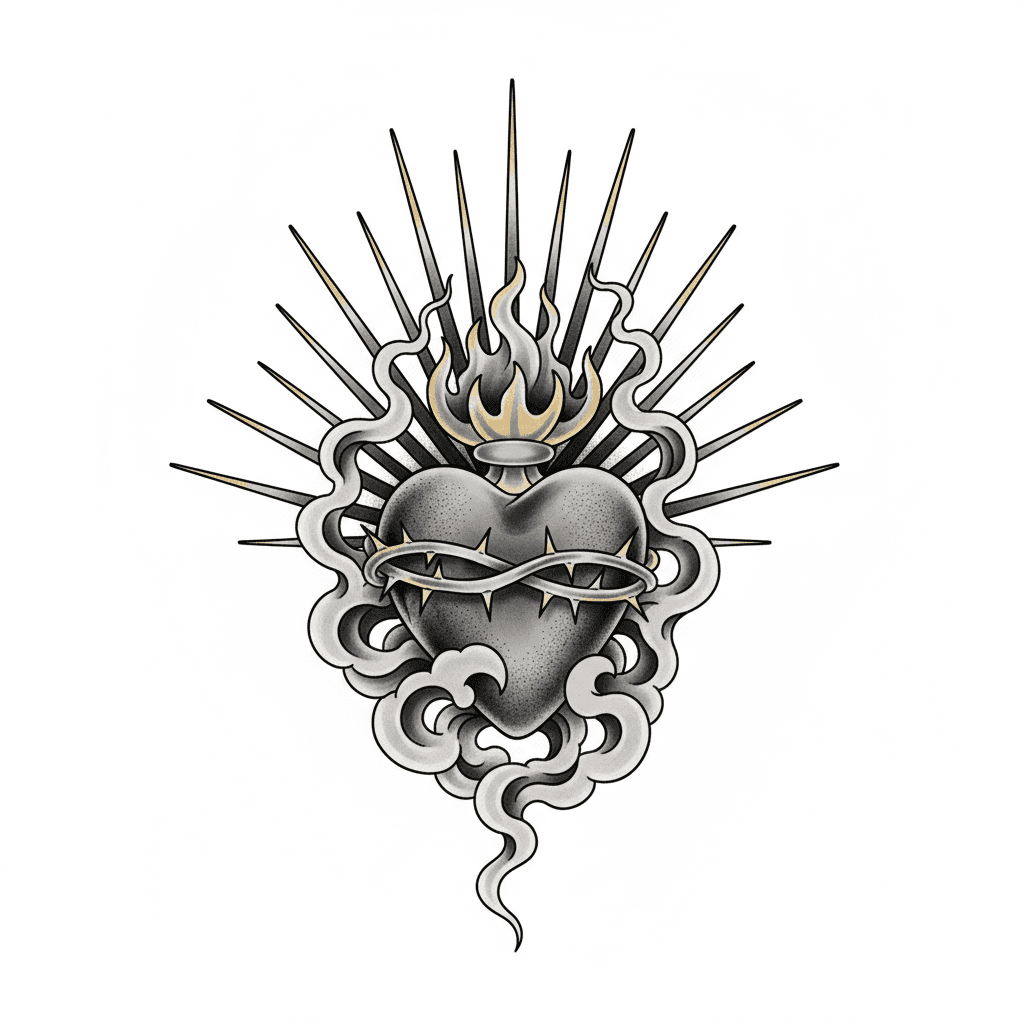

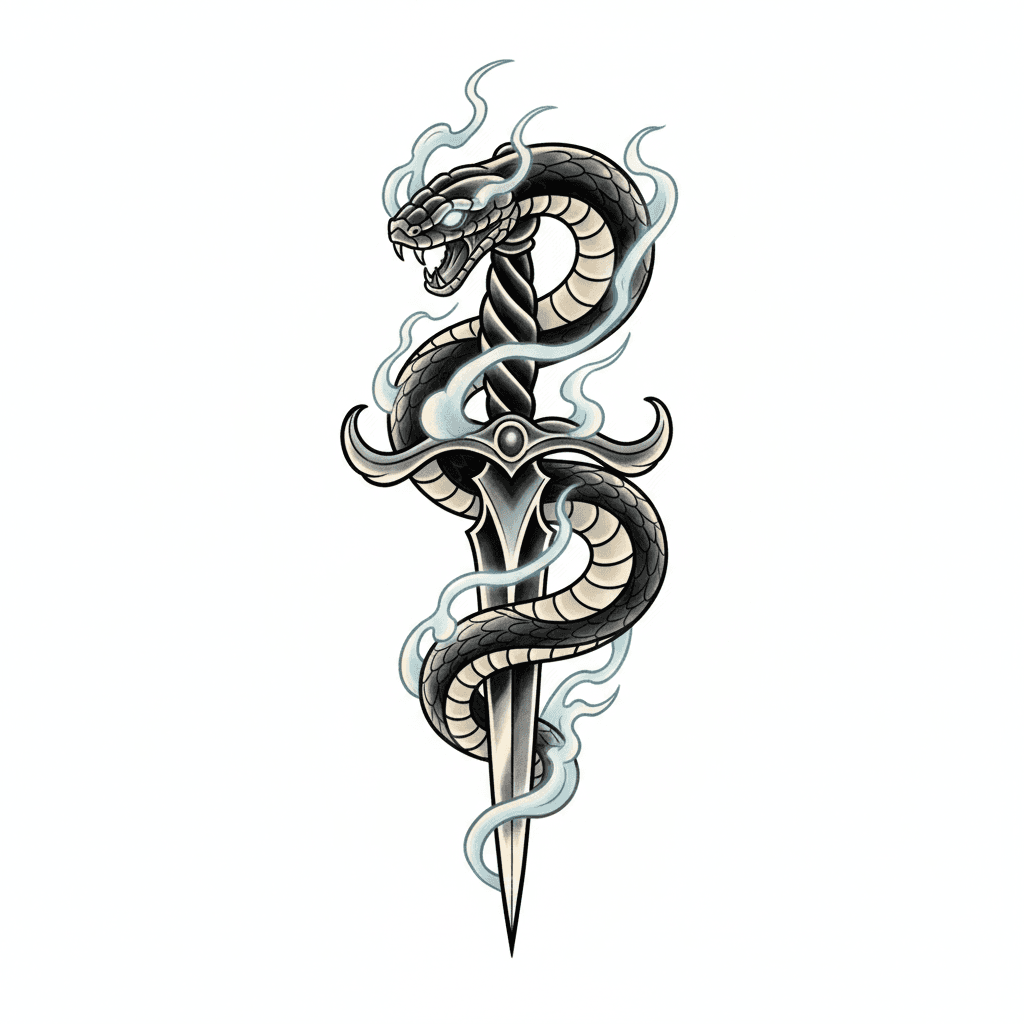


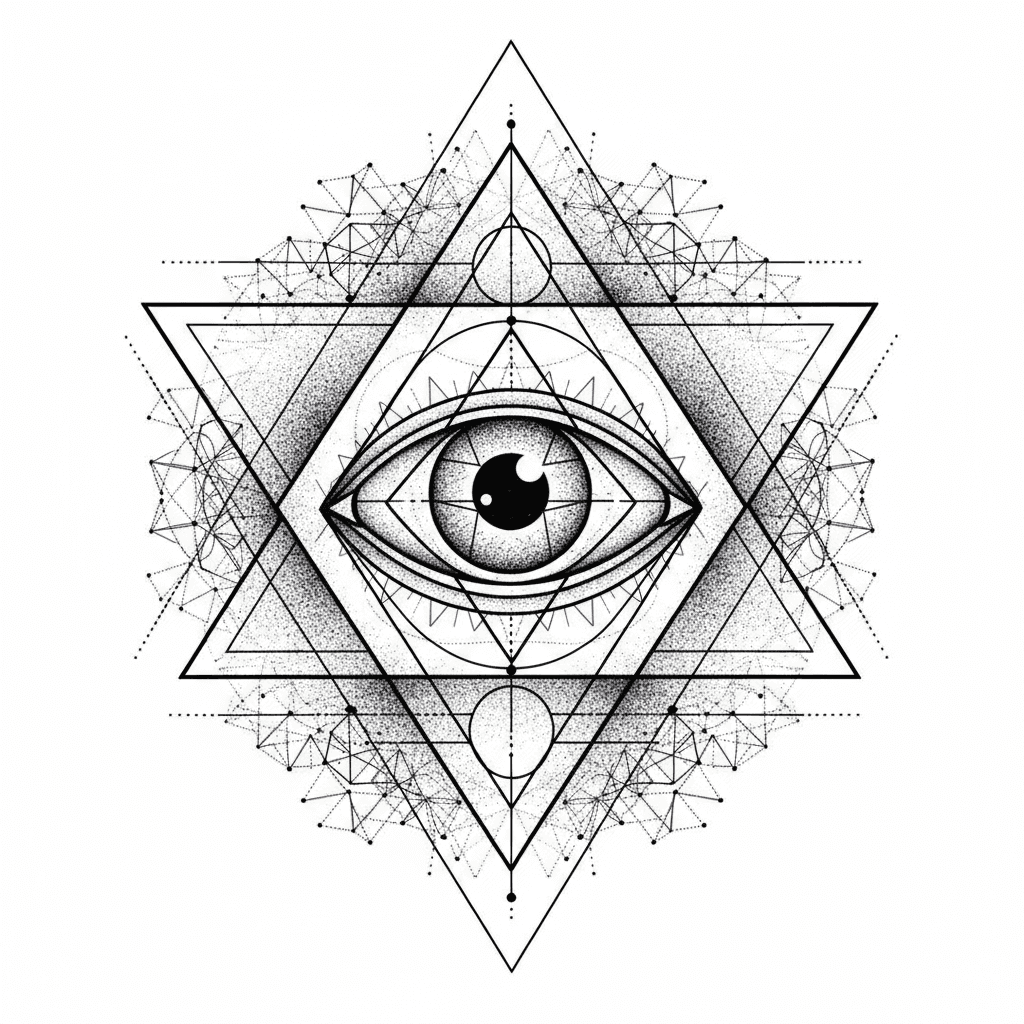
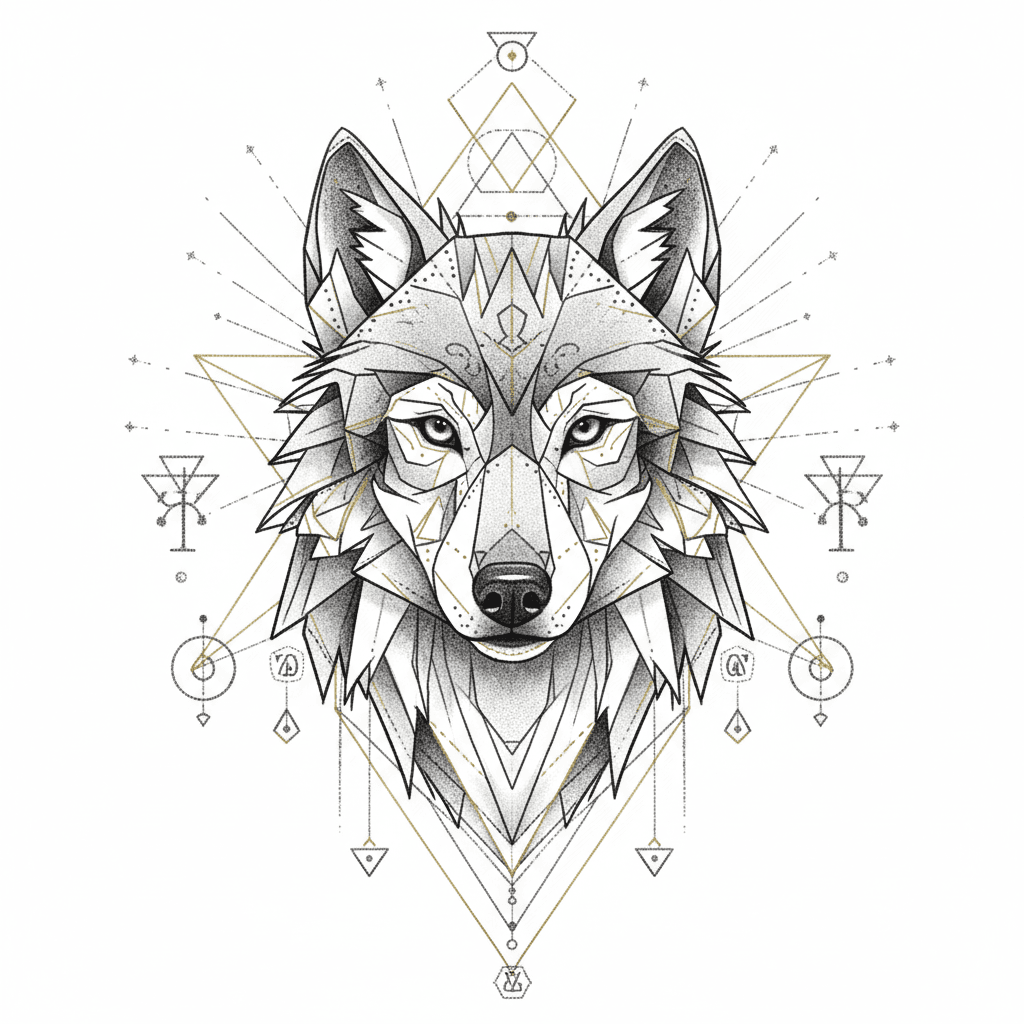


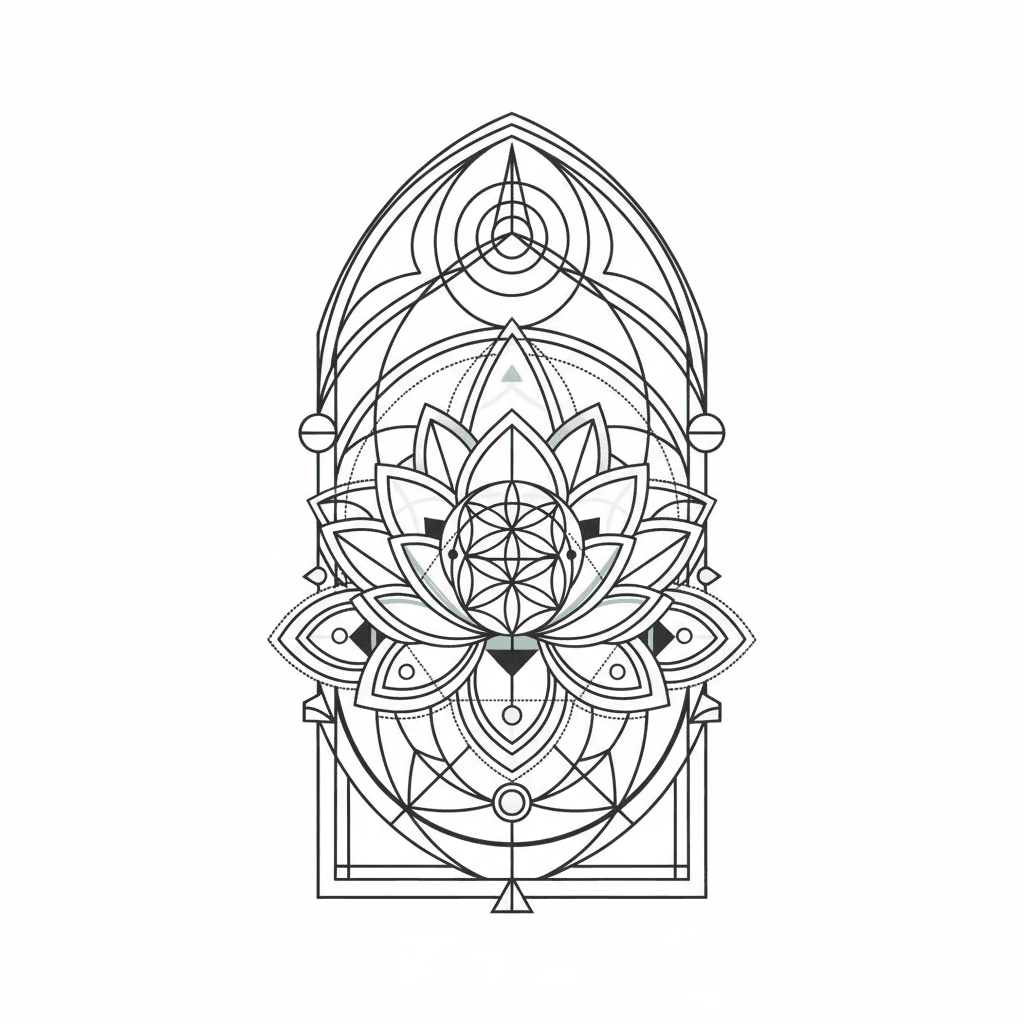
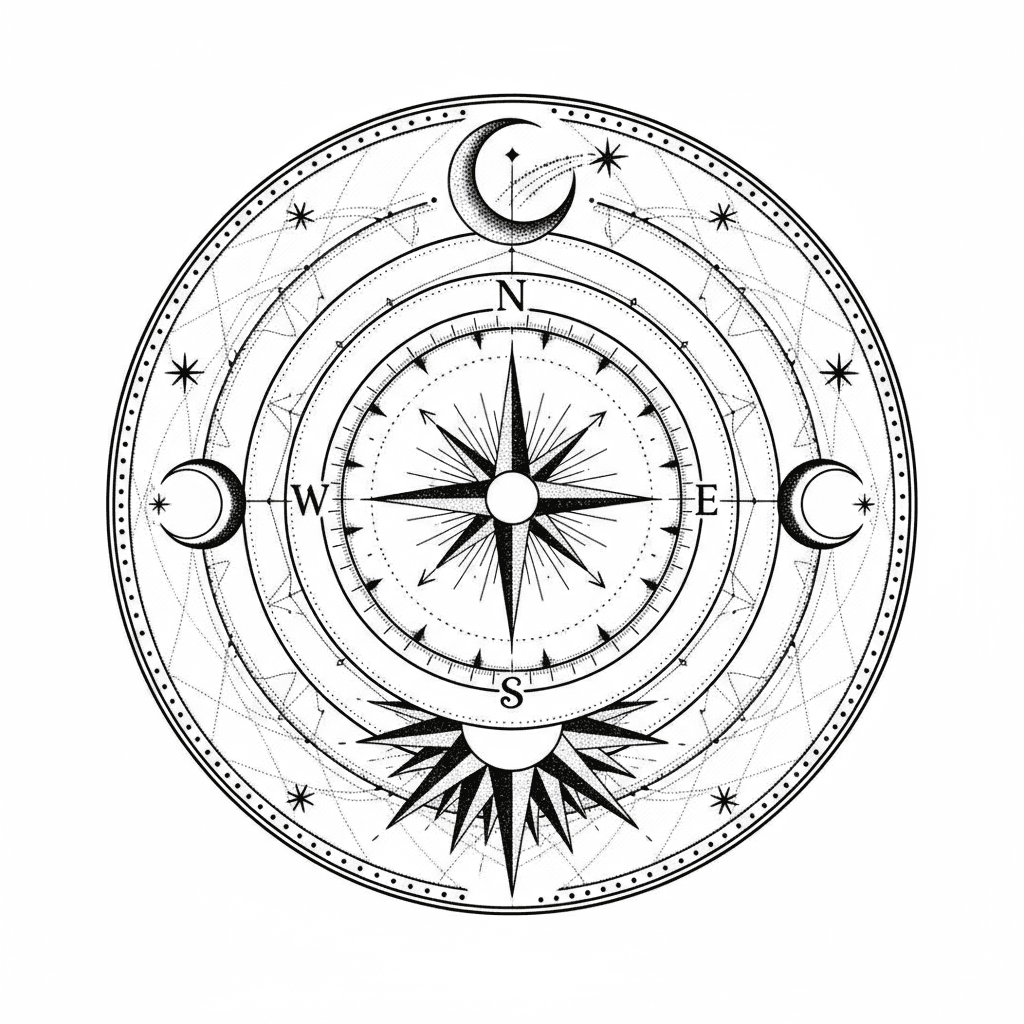
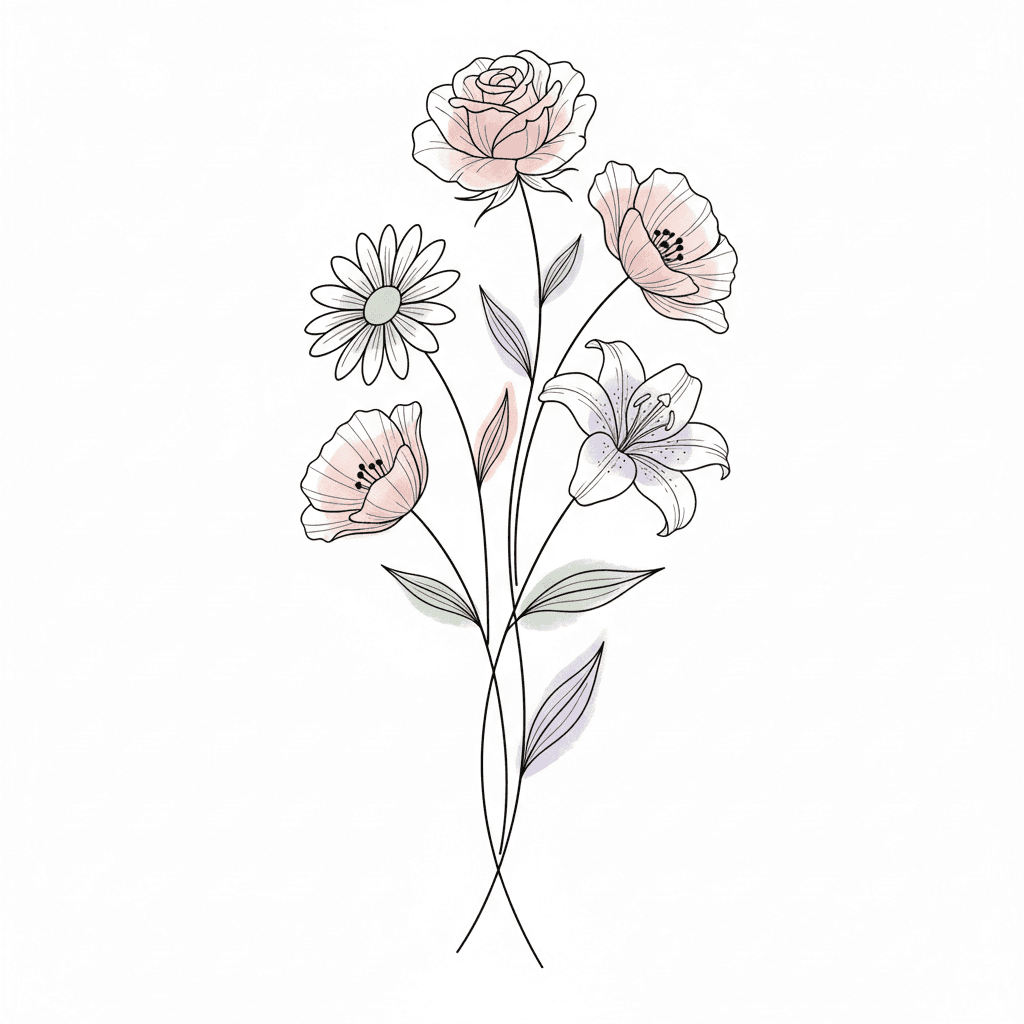
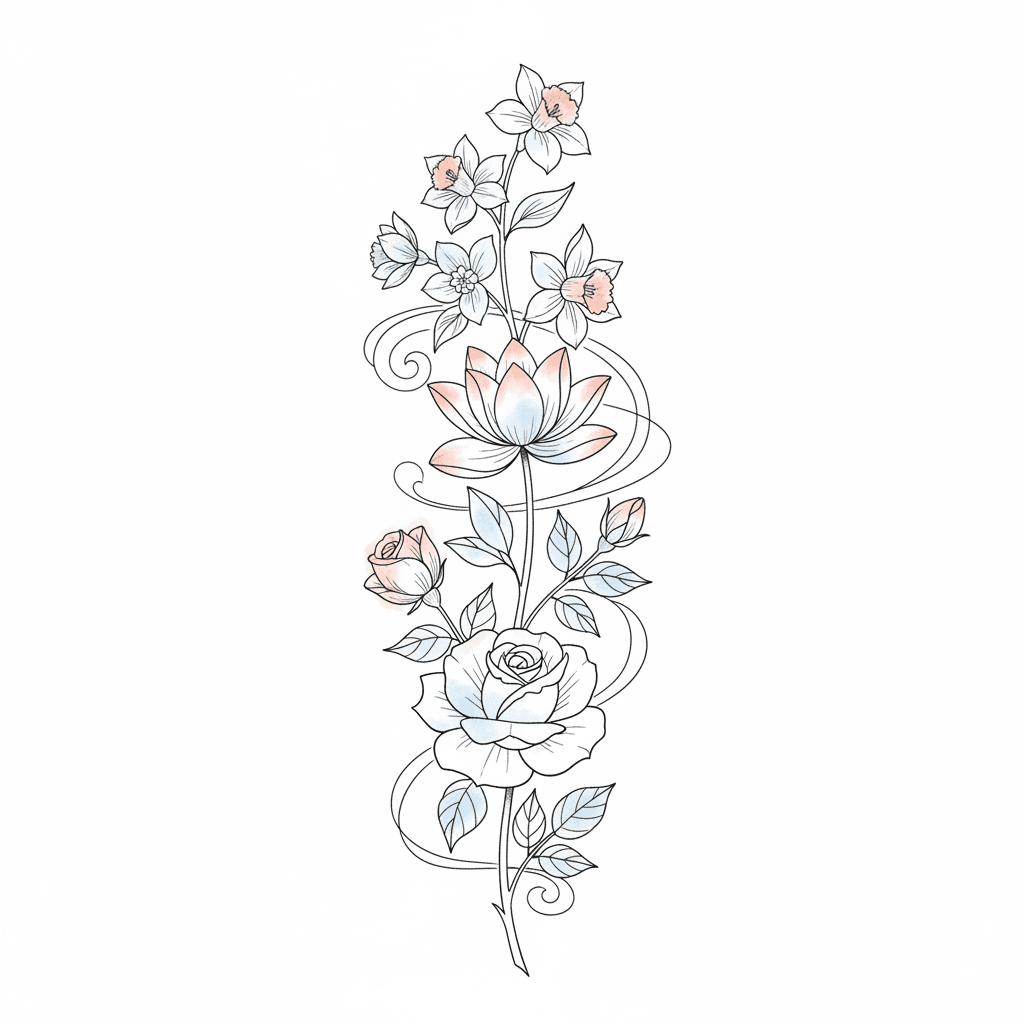
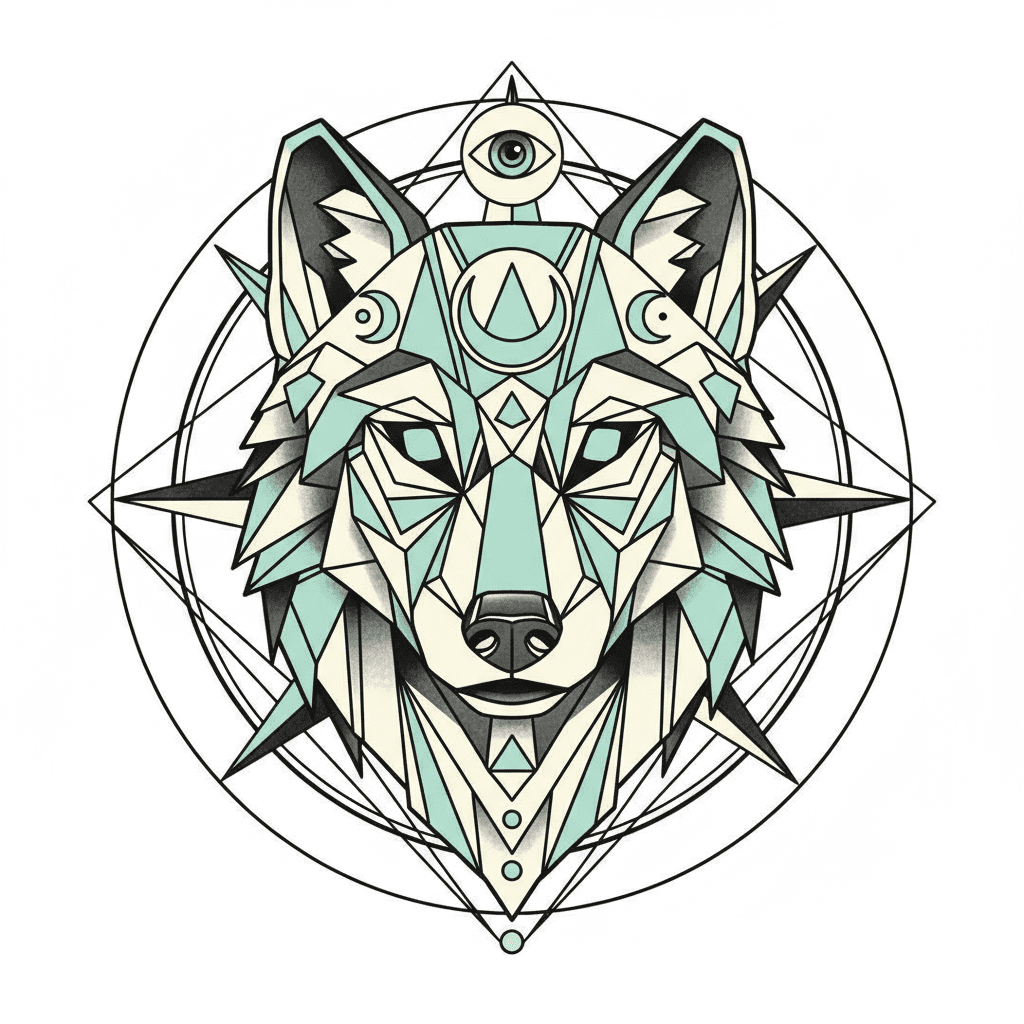
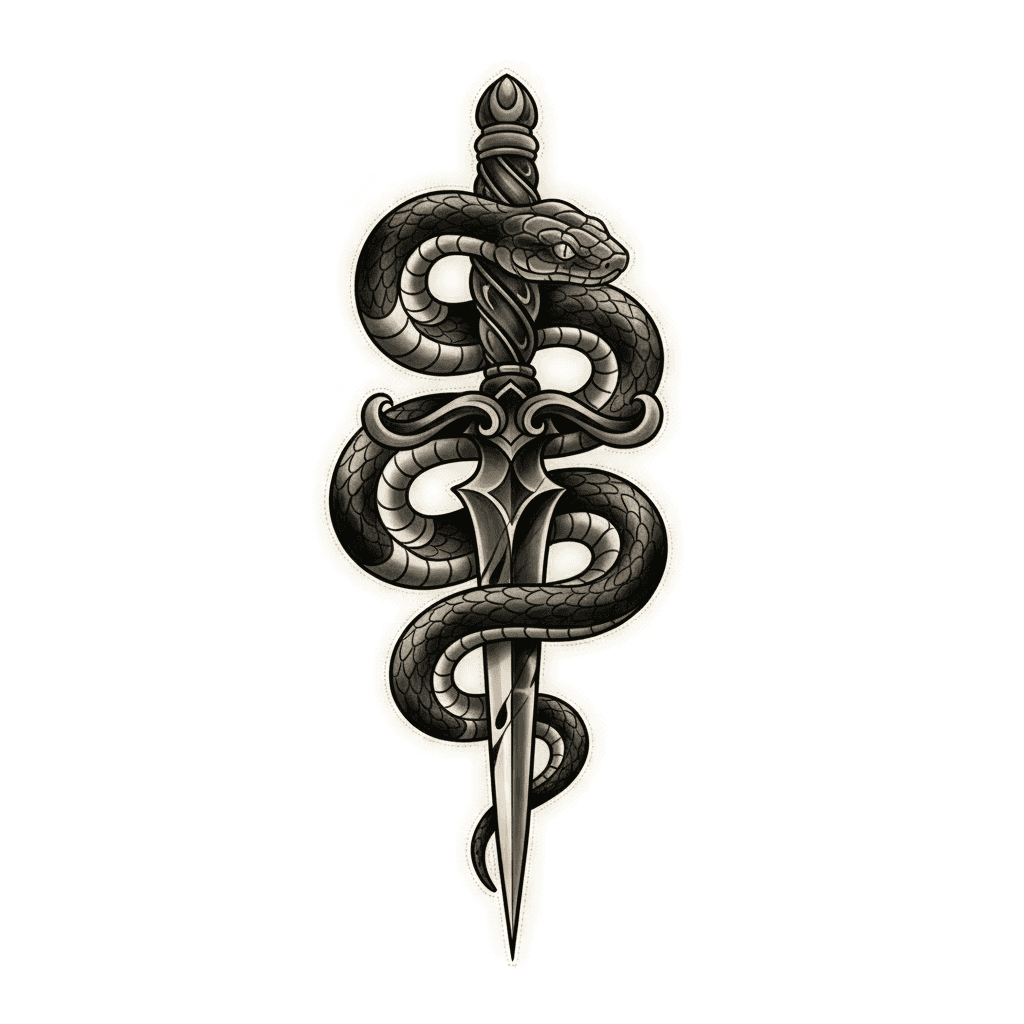
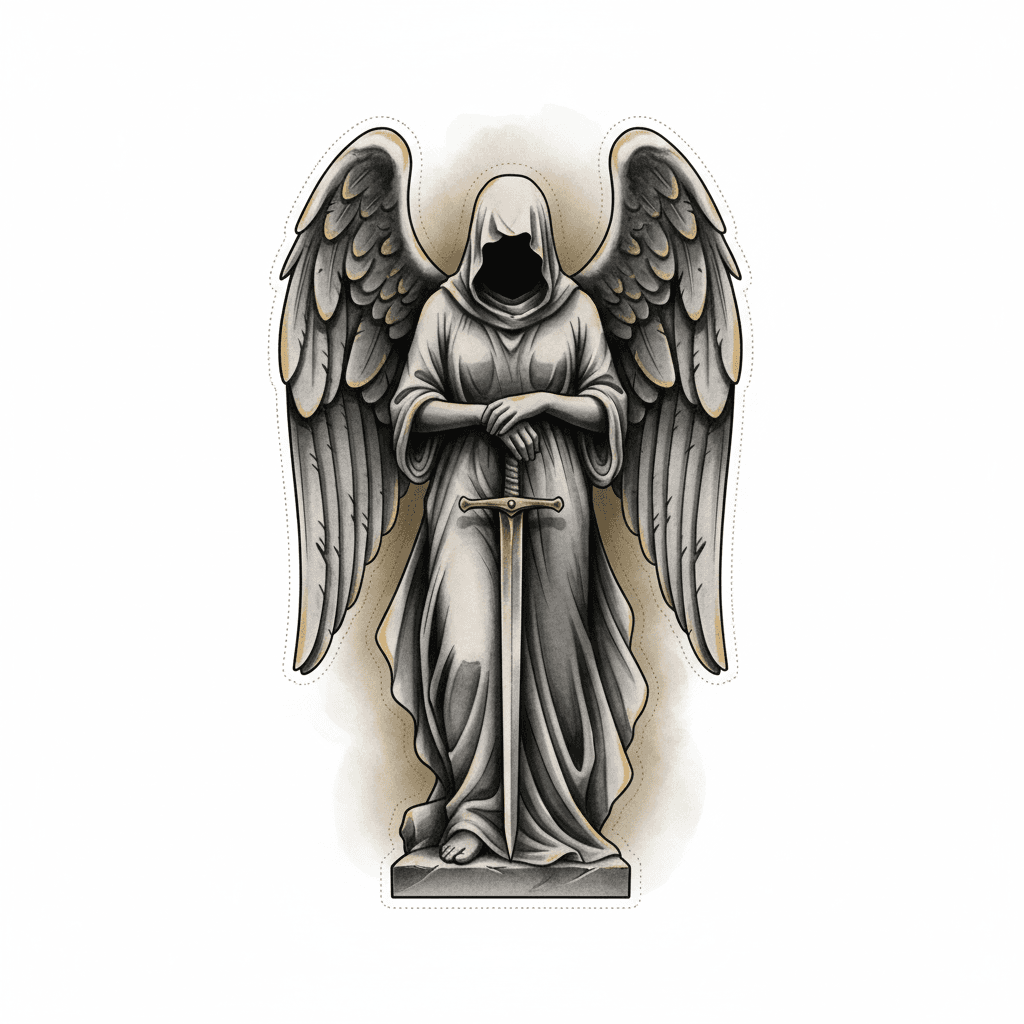

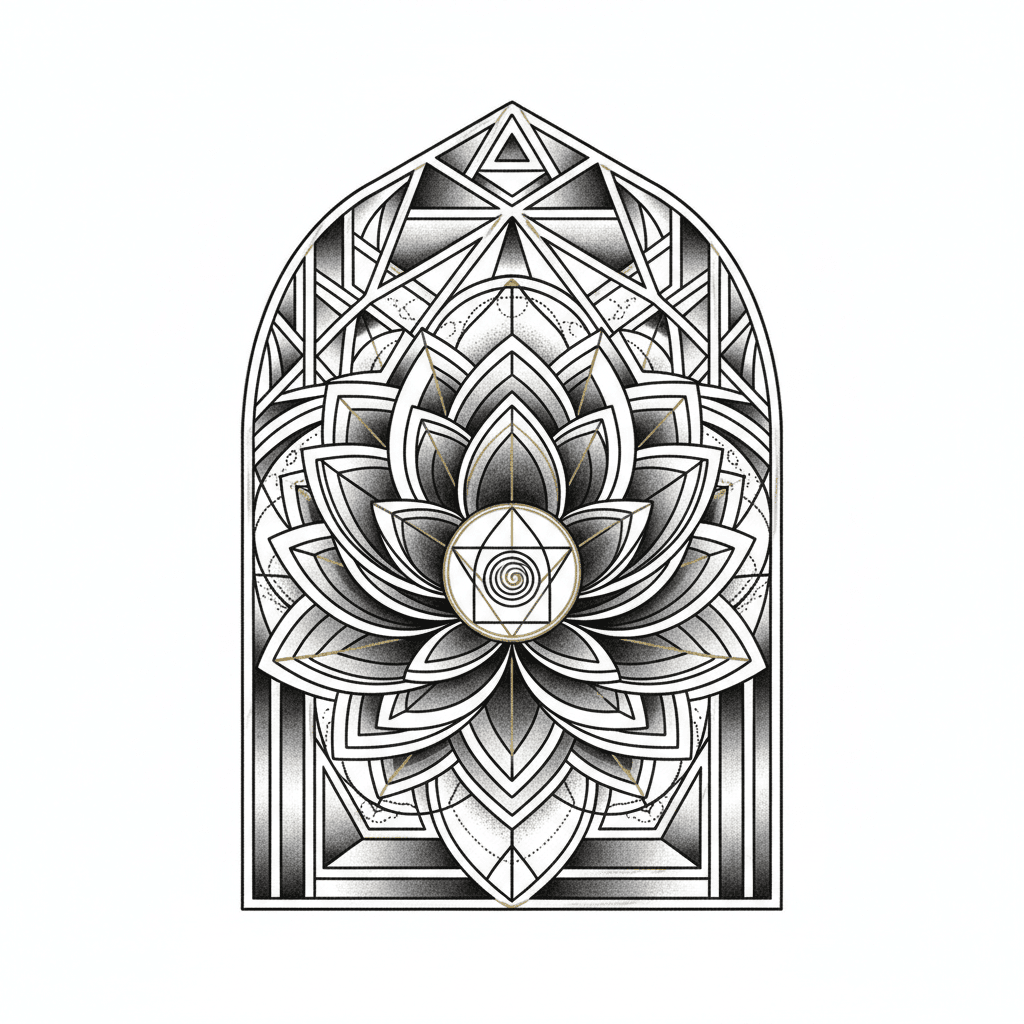
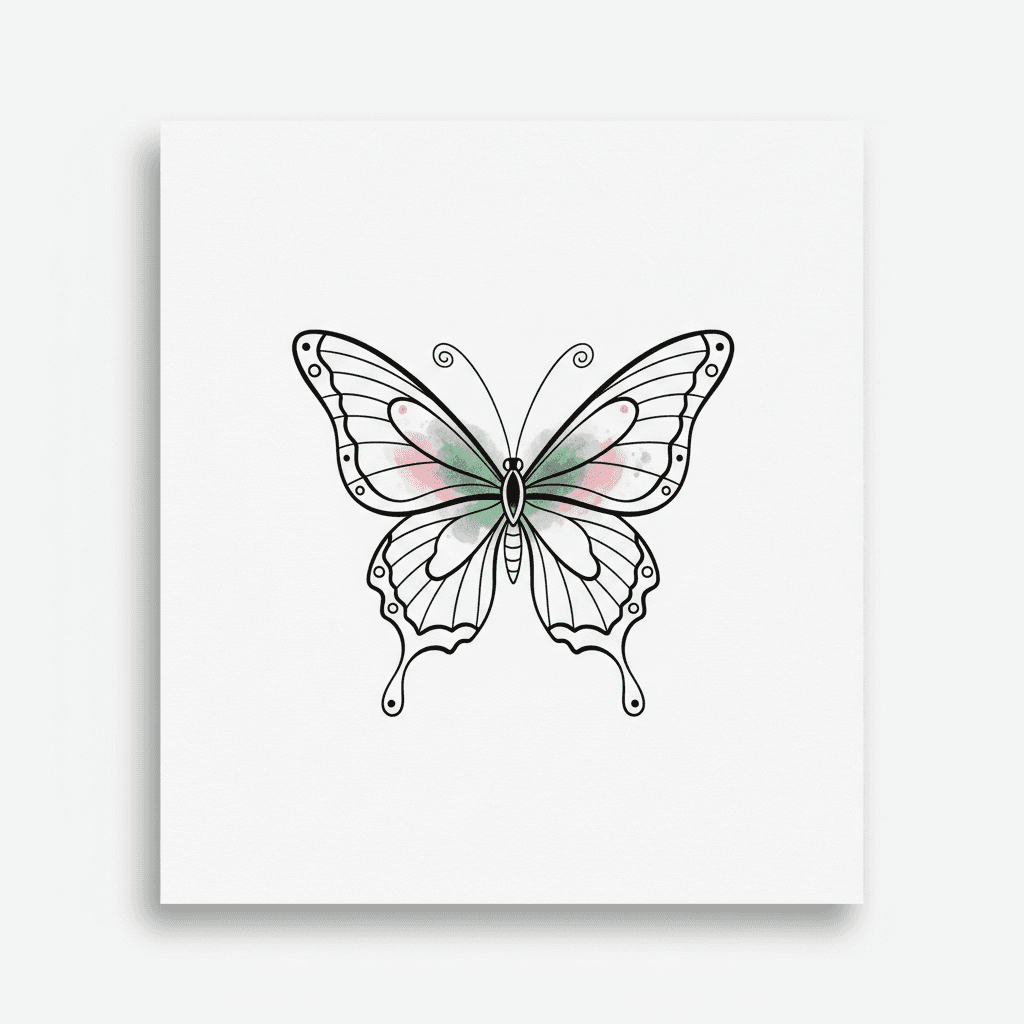
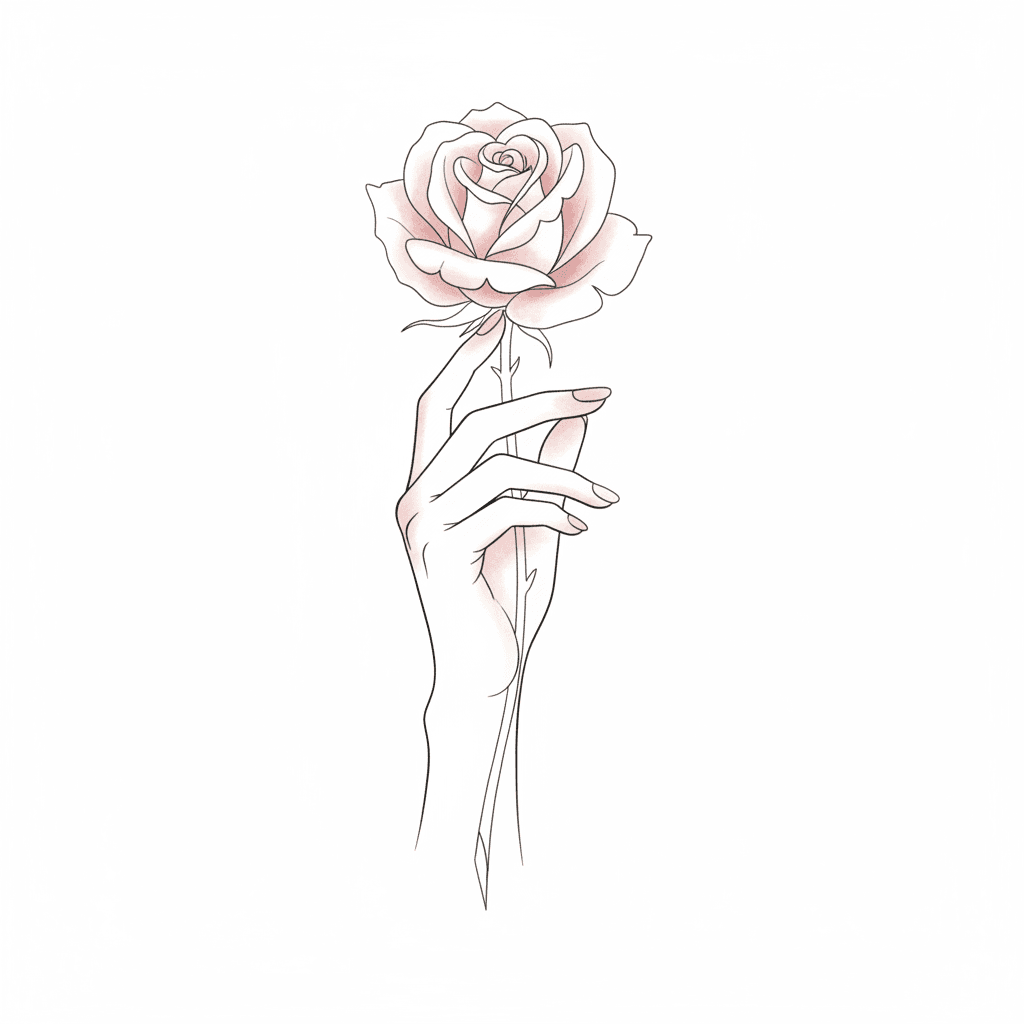
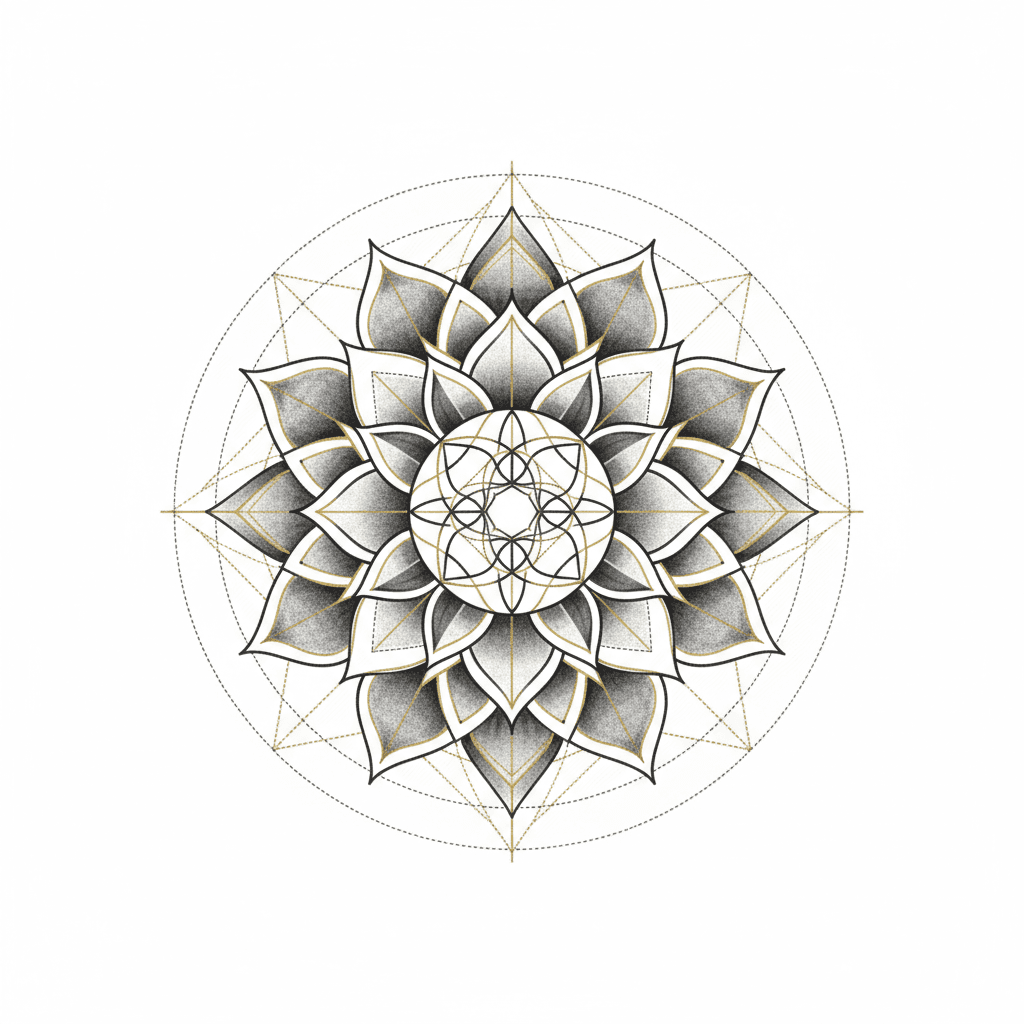

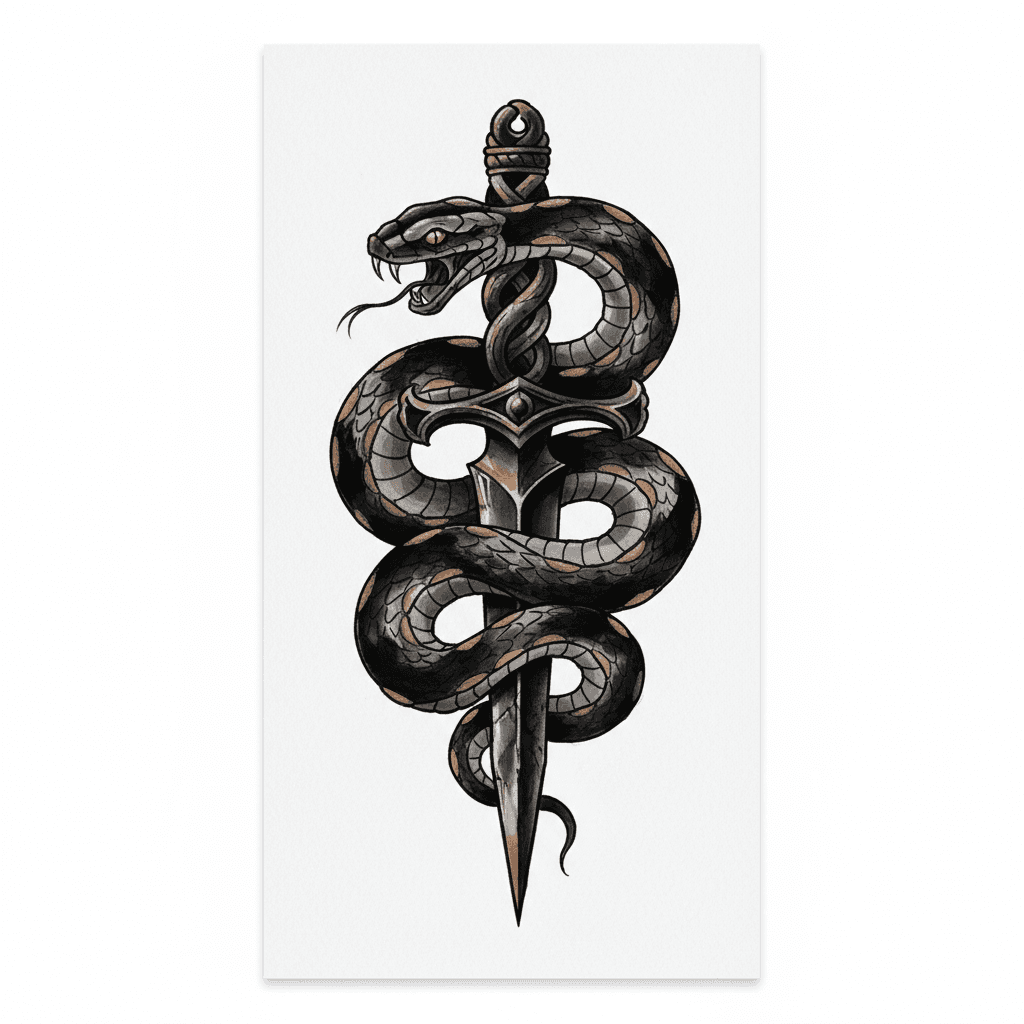
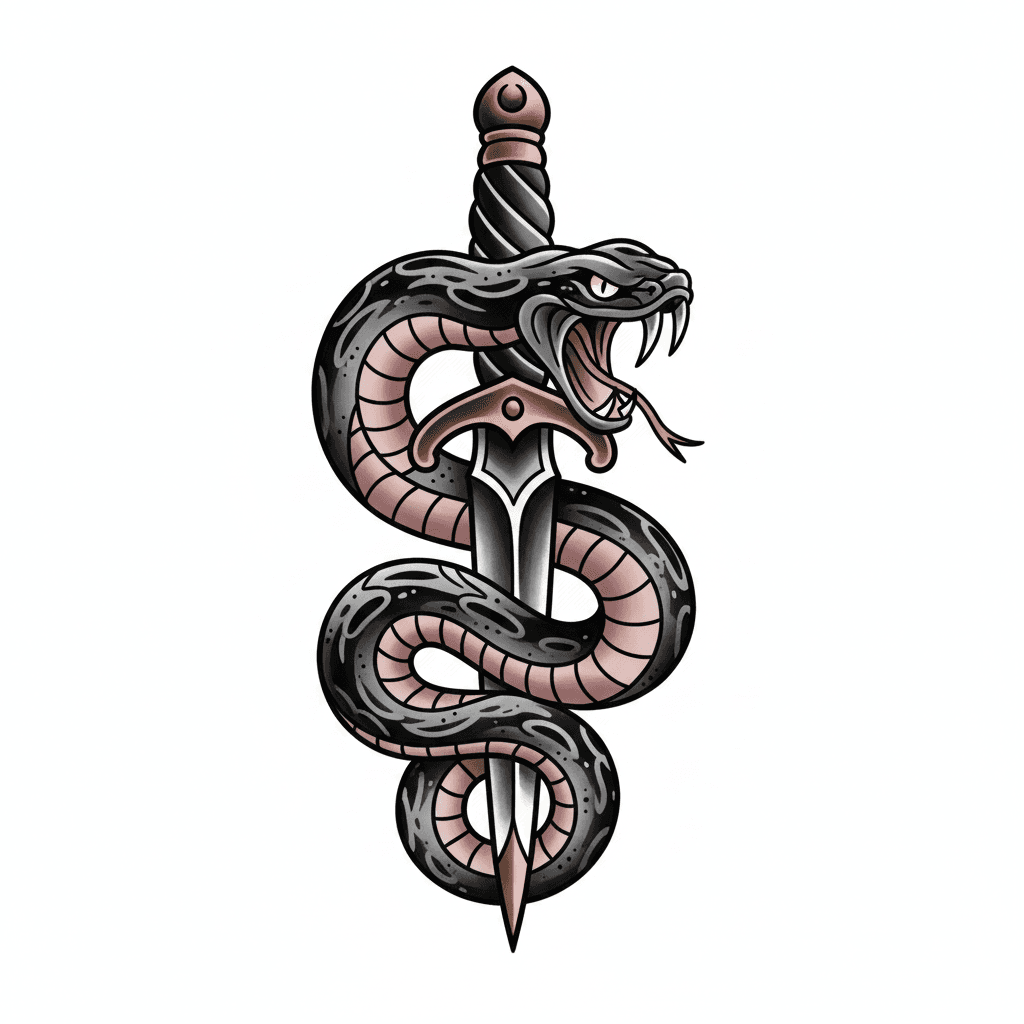
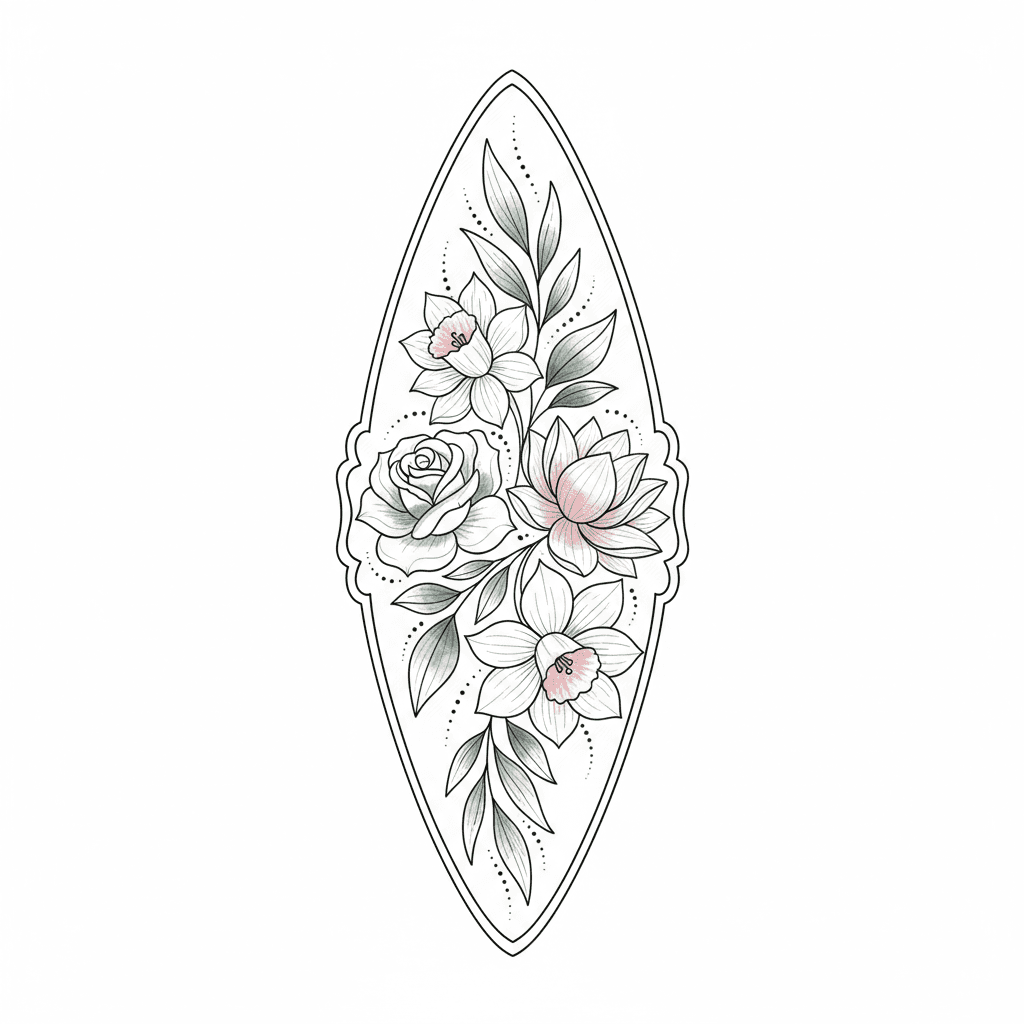
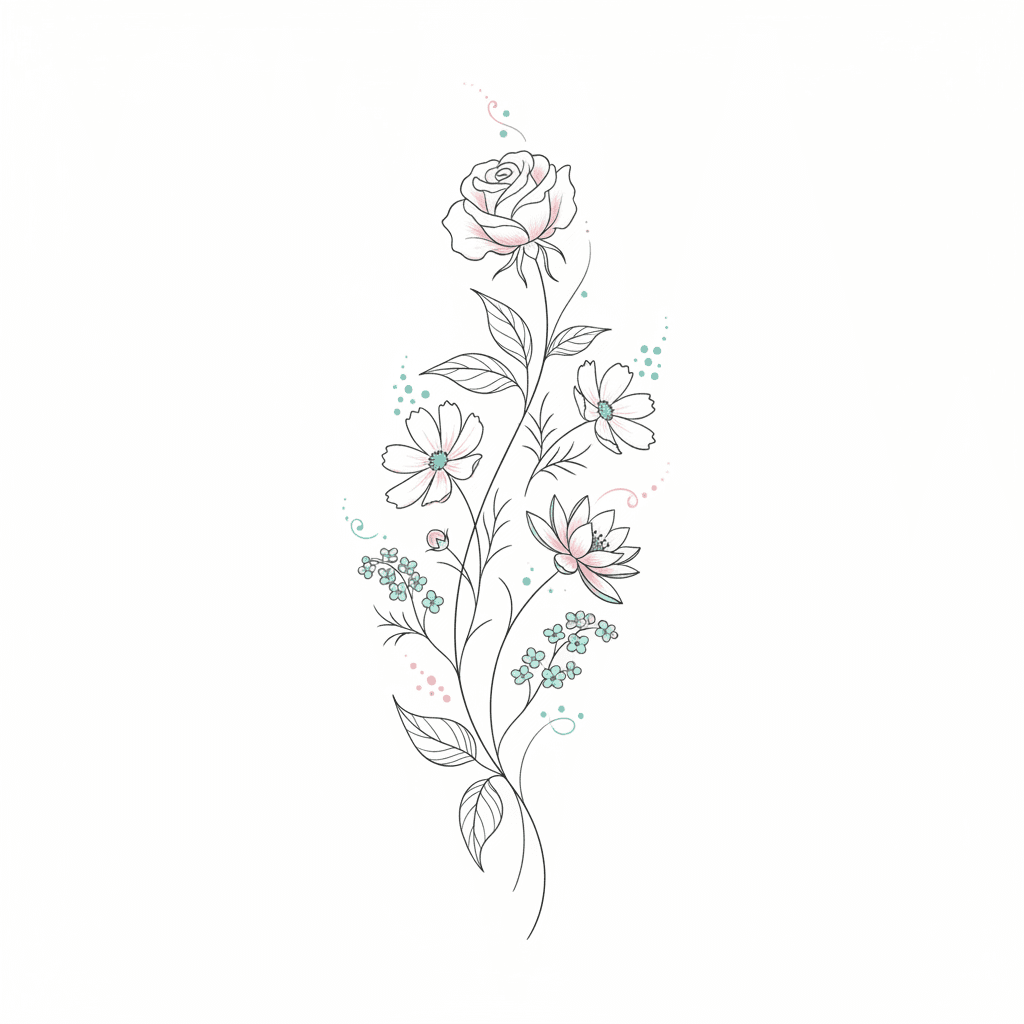

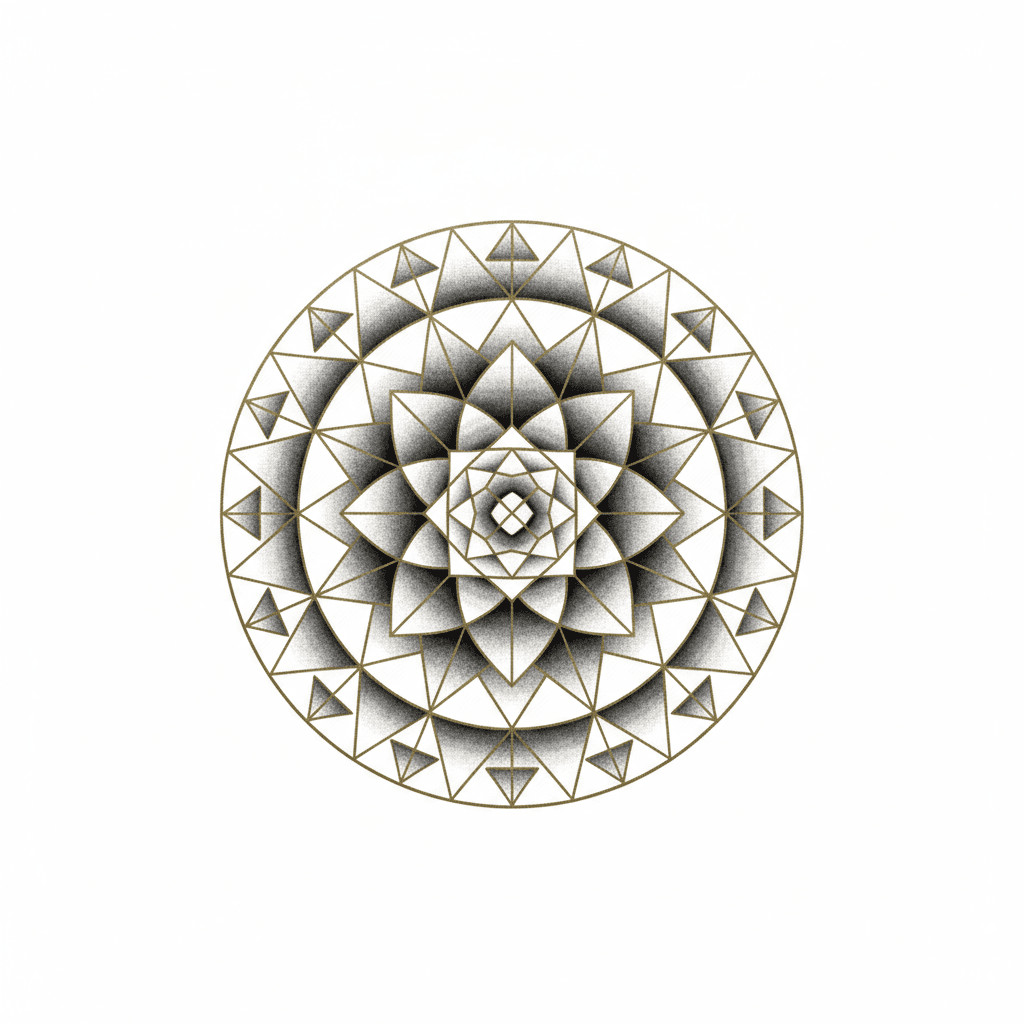
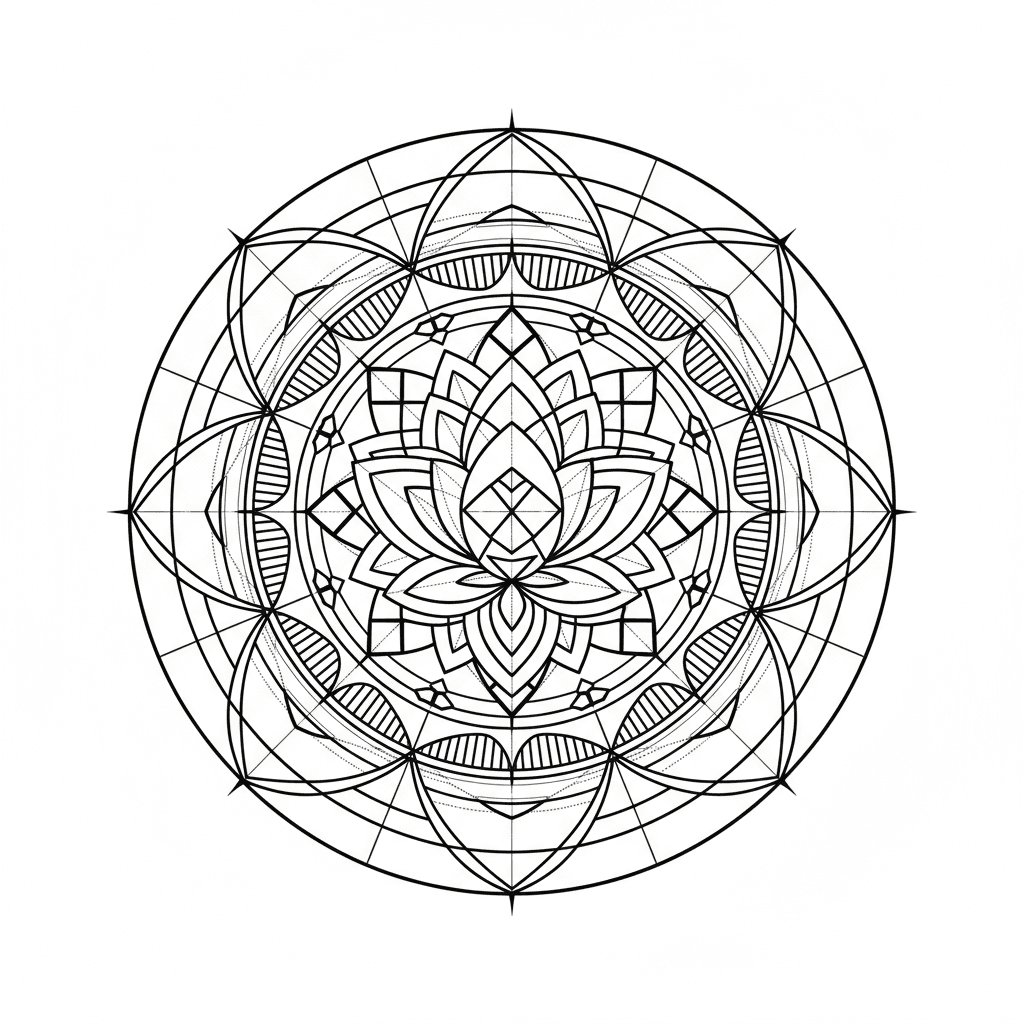

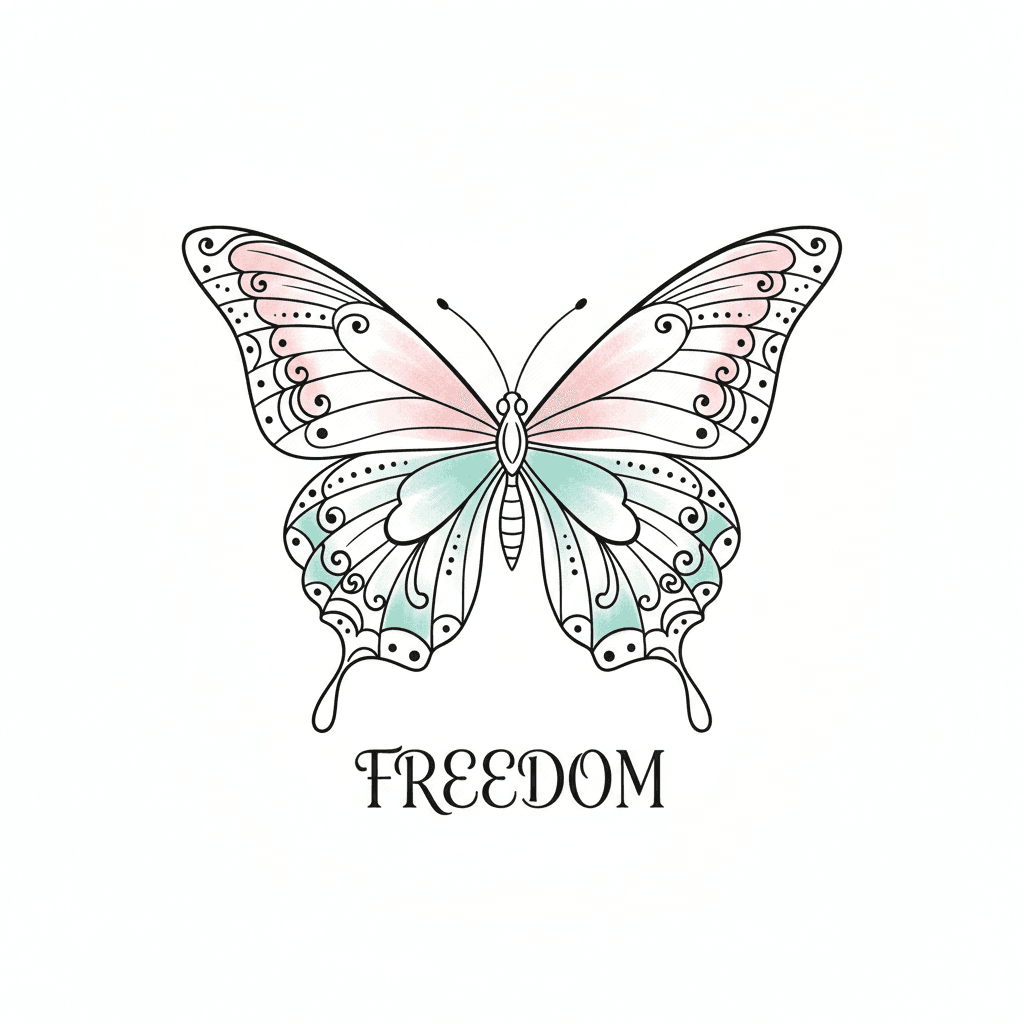

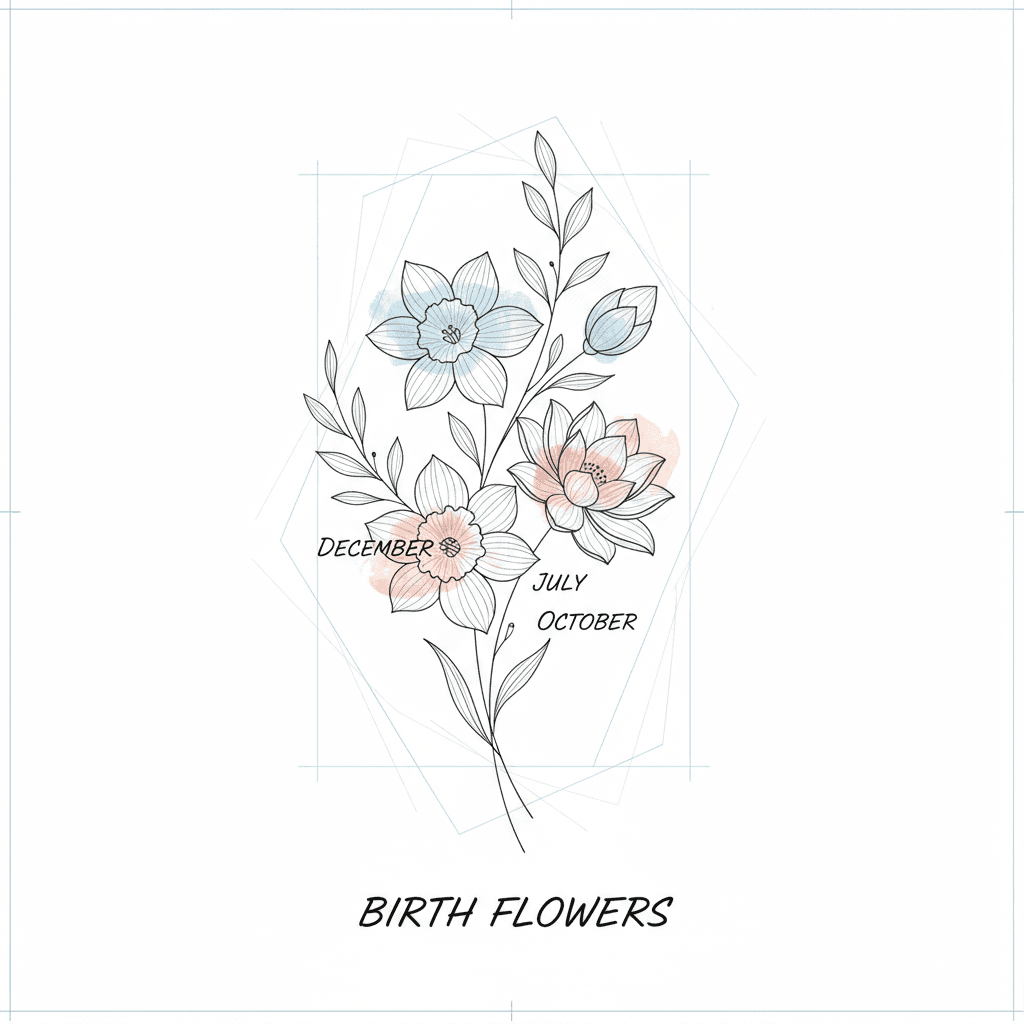
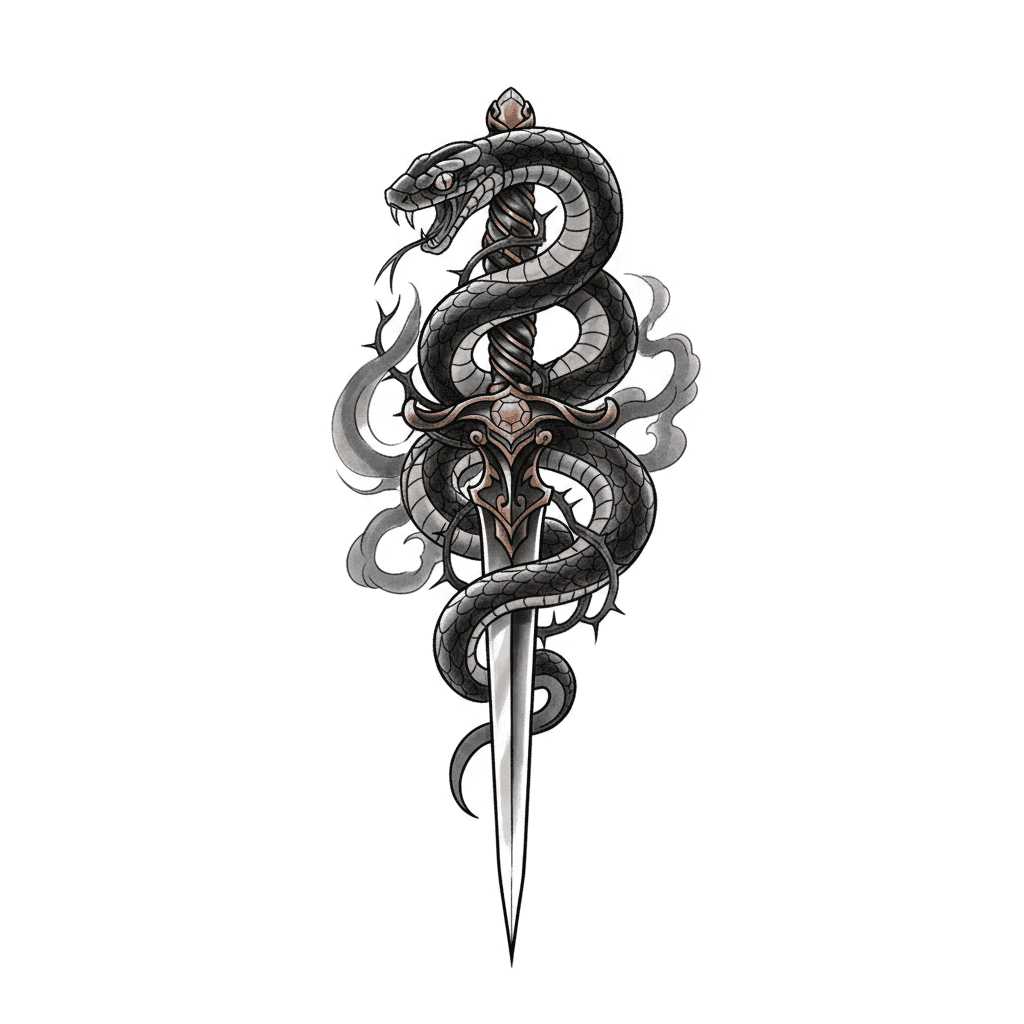
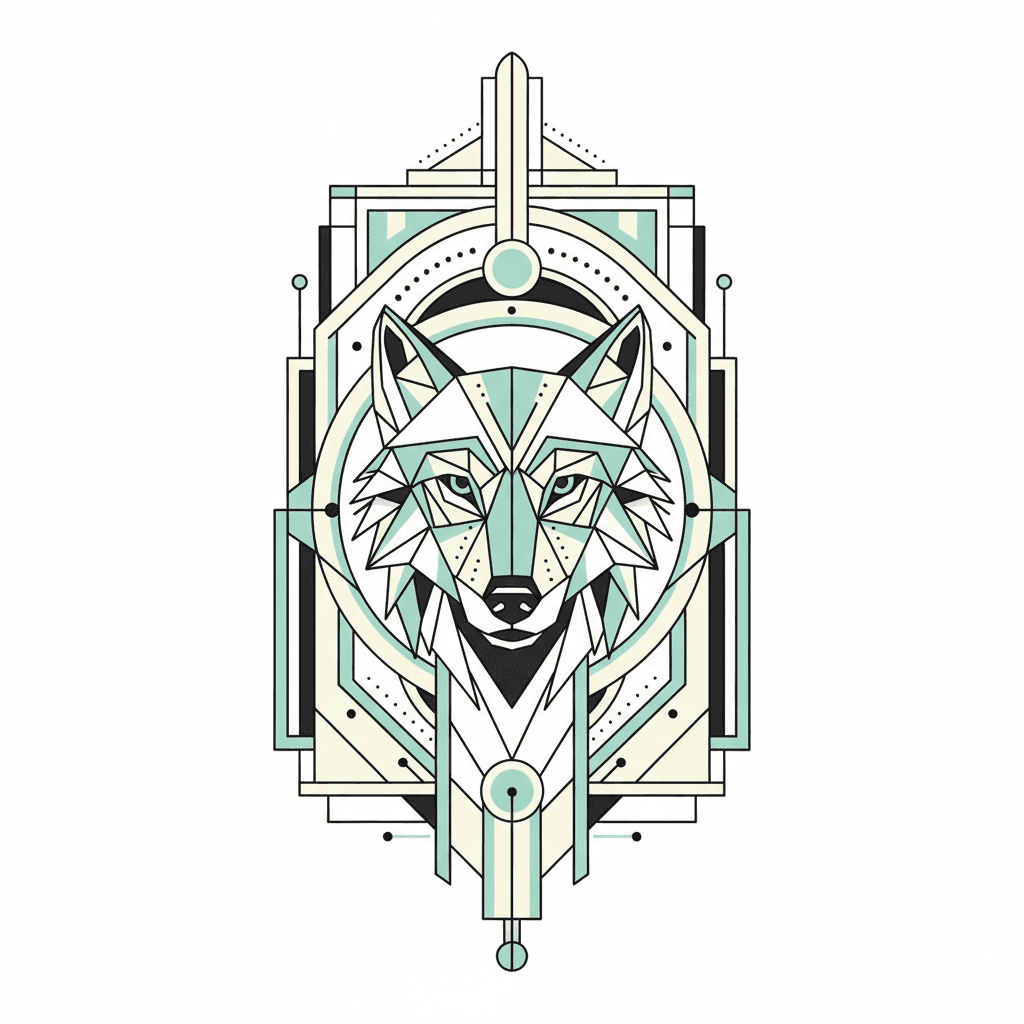
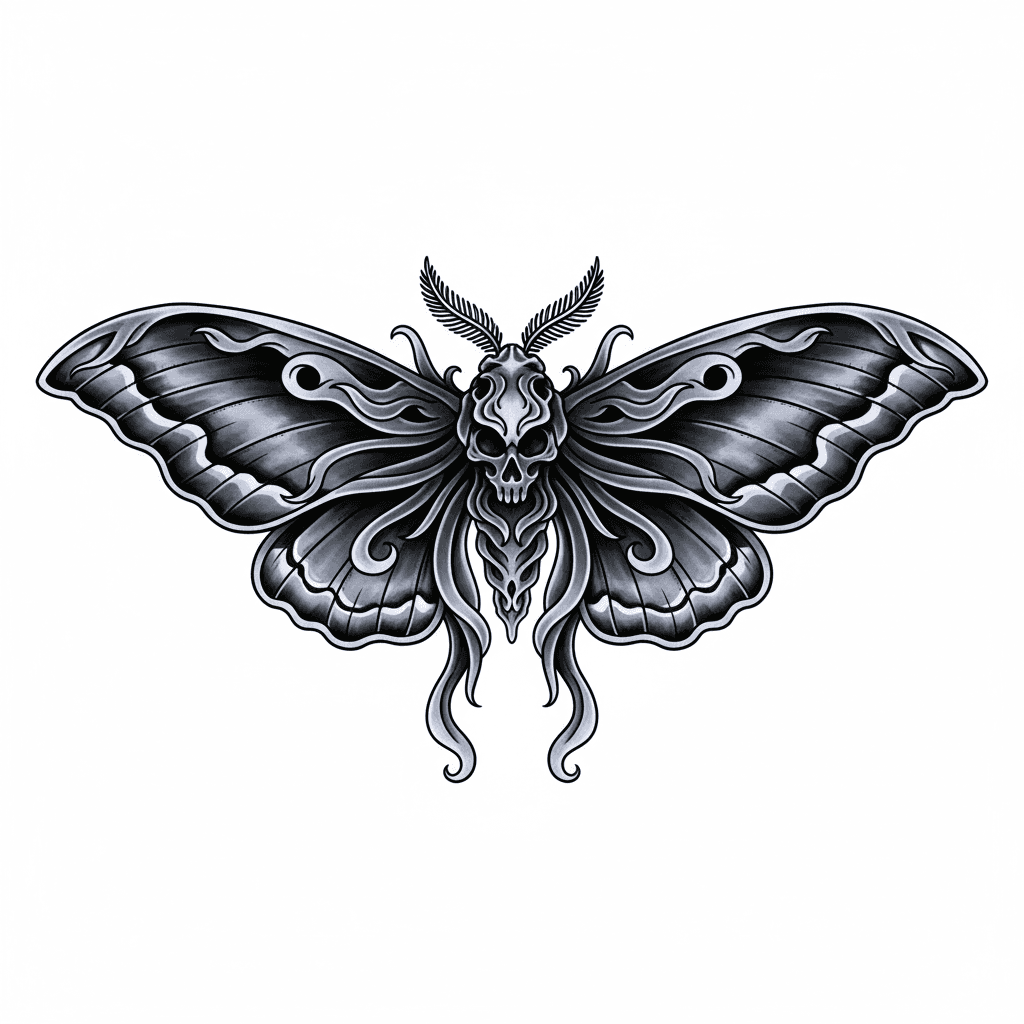
The most common neck placement — easily hidden by hair or collar
The boldest placement — reserved for the committed
Flowing design from behind the ear down the neck
Why it hurts: Very thin skin, close to the spine, throat, and major nerve pathways. The vibration can feel intense near the Adam's apple and vertebrae.
Tips: Eat well before your session, stay hydrated, take breaks. Start with a smaller piece if it's your first neck tattoo. Discuss numbing options with your artist.
Describe your vision and generate unique neck tattoo designs in seconds. Free to try and no login required.
Generate Free AI Tattoo, No LoginNeck tattoos are usually around 7-8 out of 10. The skin is thin and close to the spine and throat, so the vibration feels stronger than it does on padded areas, but shorter neck pieces are still very doable for many people.
Potentially, yes. Neck tattoos are among the most visible and hardest to conceal. While creative industries, trades, and tech are generally accepting, corporate, finance, legal, and medical fields may still have policies against visible tattoos. Consider your long-term career goals carefully before getting a neck tattoo.
The back of the neck can fade due to friction from clothing collars and hair. Side and front neck tattoos hold reasonably well if properly cared for. Sun exposure is a major fading factor for neck tattoos since the area is often exposed. Use SPF 50+ daily after healing.
Fine line and minimalist work great for back-of-neck placements. Blackwork and cybersigilism create striking side and front neck pieces. Script/lettering is very popular for the side neck. American Traditional holds up well with bold outlines. Avoid watercolor and ultra-fine details on the neck as they may blur over time.
Usually no. Most people are better off starting with the forearm, upper arm, or thigh first so they understand the process before choosing such a visible placement.
Smaller vertical designs, script, symbols, and medium motifs that follow the curve of the neck usually work best. Oversized throat pieces need more commitment and stronger planning.